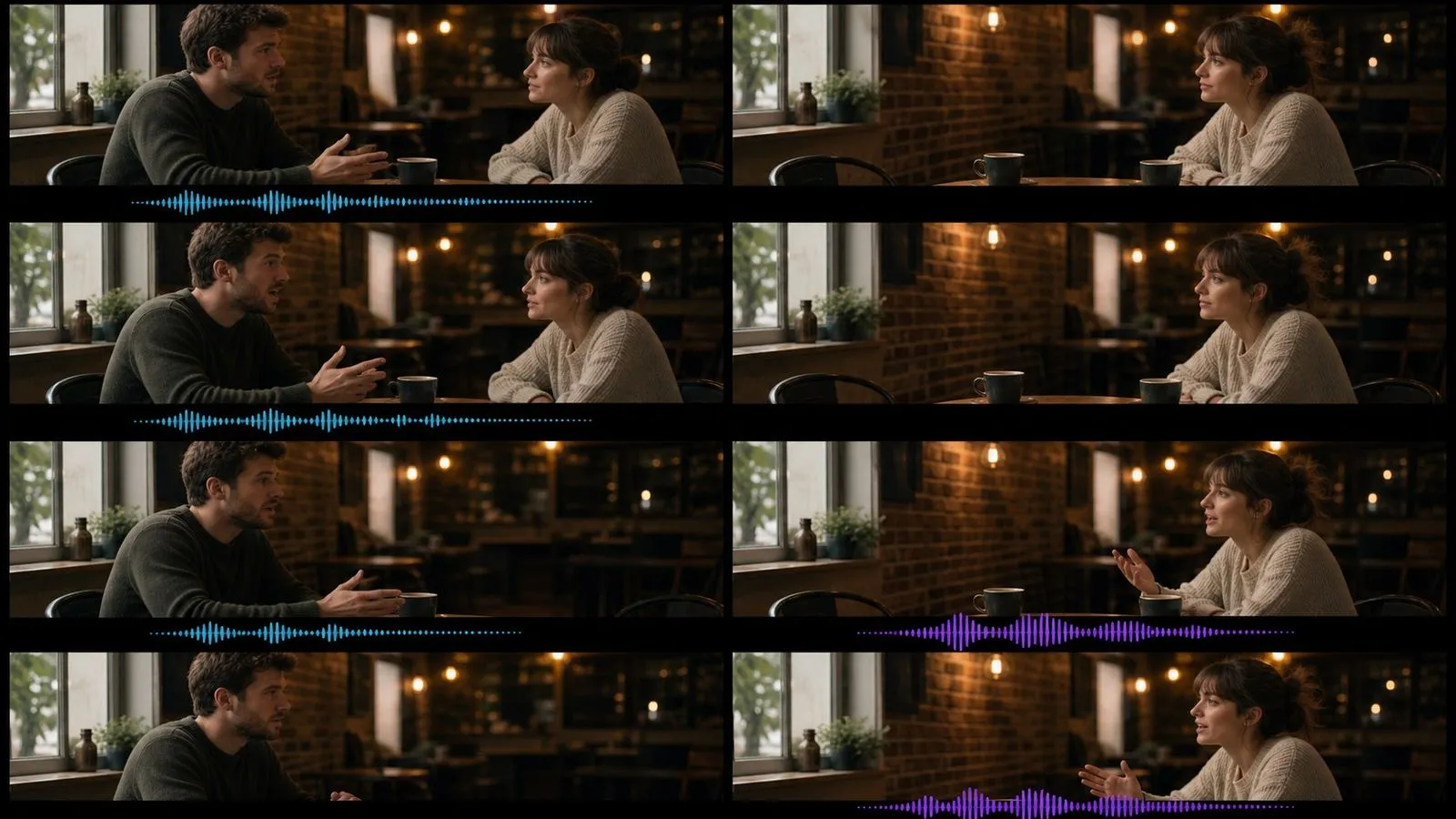
Lip-Synced Dialogue
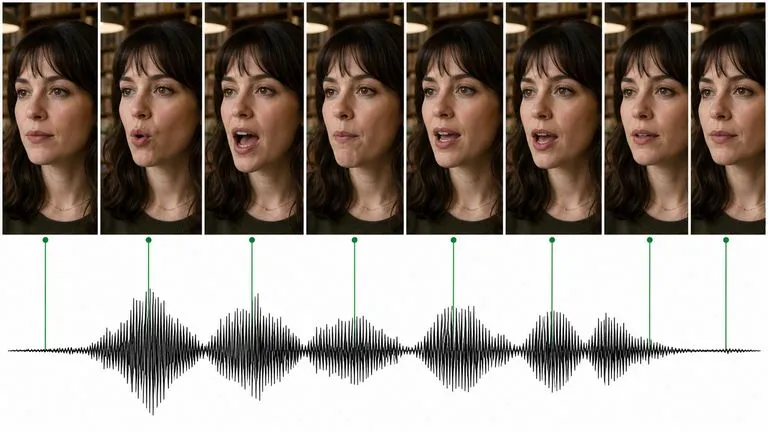
Speech timed to mouth movement rather than laid over it.
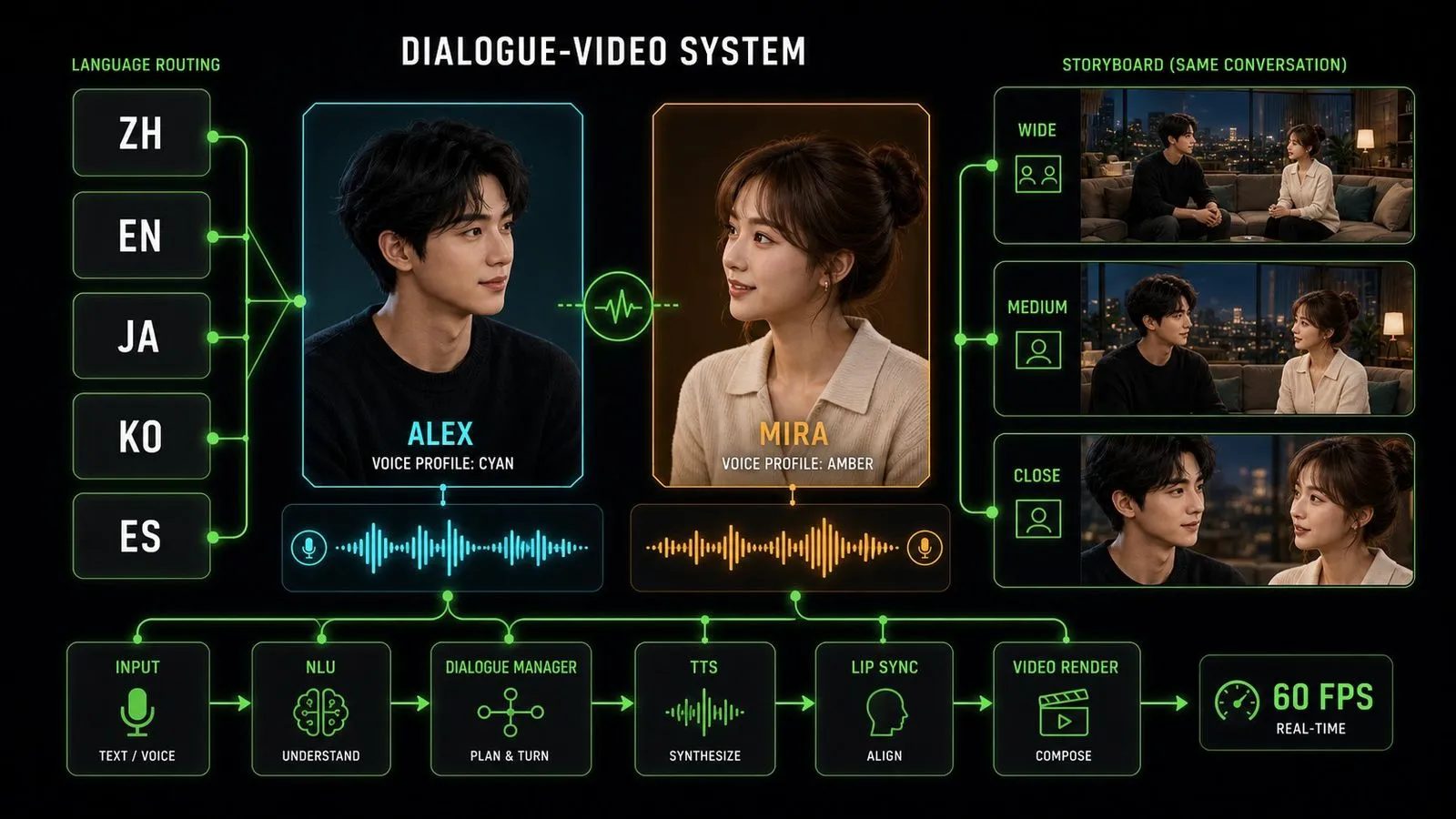
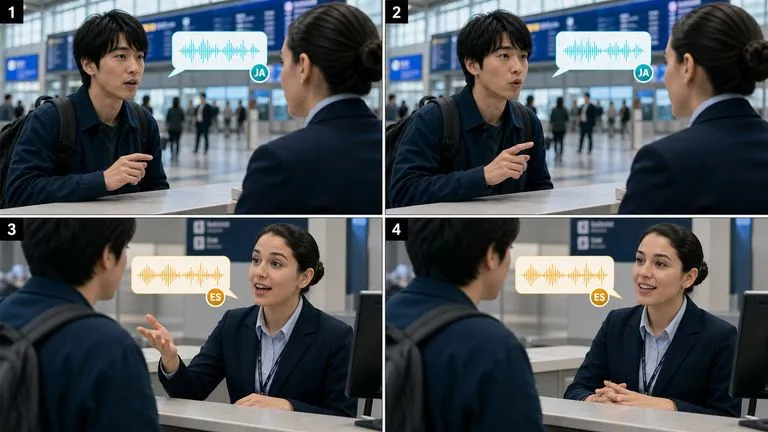
Kuaishou's Kling 3.0 speaks — lip-synced dialogue in five languages, a different voice per character, and a storyboard mode that lays out a whole sequence.
请在桌面端浏览器打开本页开始创作。
Kling 3.0 is Kuaishou's third-generation video model, and the capability that separates it from the rest of the roster is speech.
Plenty of models generate sound. Far fewer generate dialogue that lip-syncs, and fewer still give each character a distinct voice, handle five languages, and support scenes where two people speak different ones. Kling 3.0 does all of that in the same pass as the picture, alongside a multi-shot storyboard mode that lays out a sequence of separate camera setups from one prompt.
Use Kling 3.0 when someone in the shot has something to say. Build dialogue scenes, narrative shorts, explainer content with a presenter, multilingual campaign versions, and multi-shot sequences that would otherwise take several generations to assemble.
Kling 3.0 is an AI video generation model developed by Kuaishou. You give it an opening frame, a closing frame, or both, along with a written description of what should happen between them.
The model is built around three major strengths:
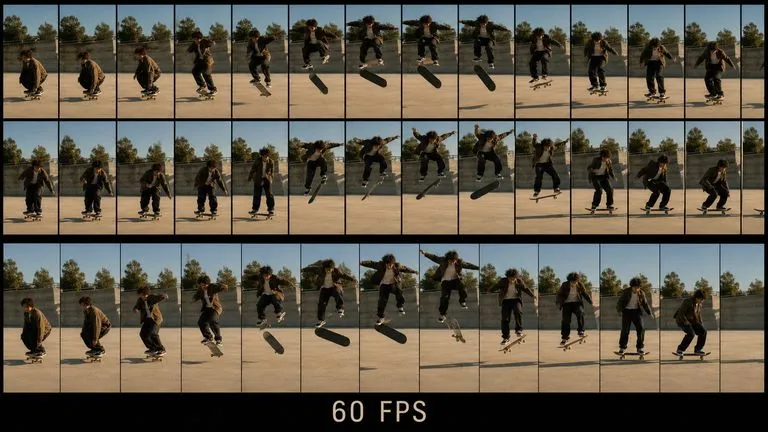
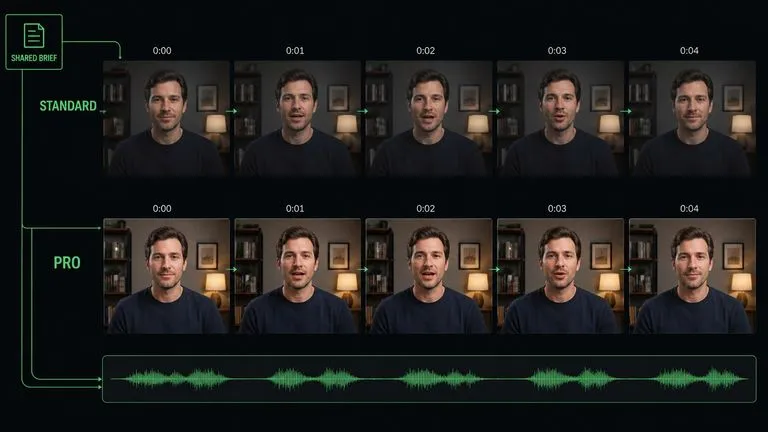
Clips run up to fifteen seconds at up to 60fps. Sound is co-generated with the picture — music, effects, ambience, and speech together. Virse lists the line as two entries, with Kuaishou positioning Standard as the cost-efficient iteration tier and Pro as the final-quality one; both accept identical inputs.
Speech timed to mouth movement rather than laid over it.
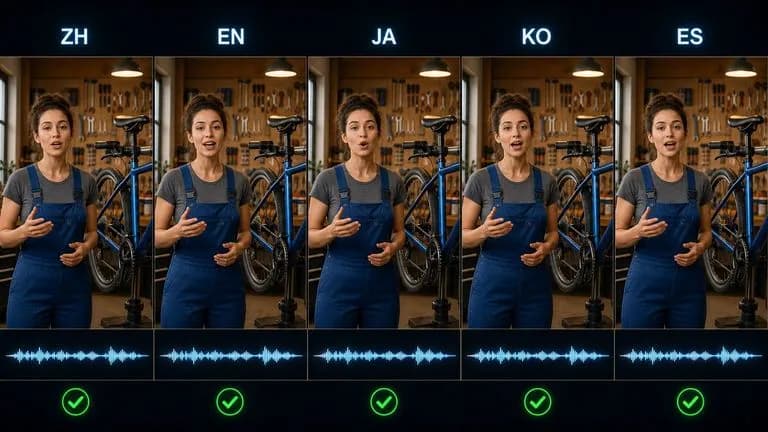
Chinese, English, Japanese, Korean, and Spanish, including mixed-language scenes.
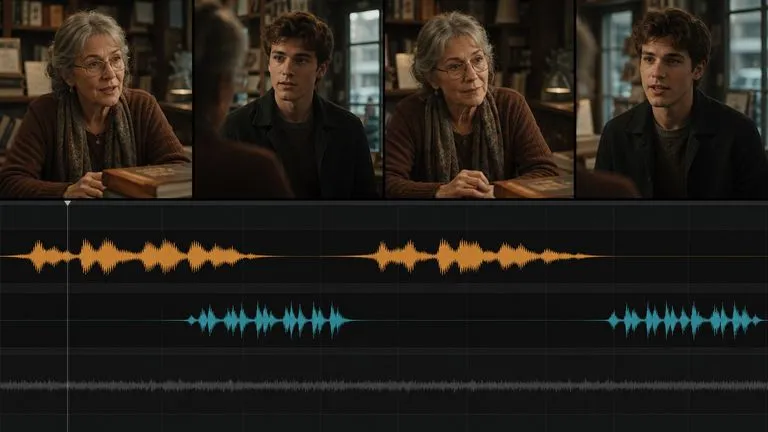
Each speaker in a scene sounds like a different person.
Single-pass clip length, up from the previous generation's ceiling.
Double the frame rate of the preceding version.
A sequence of separate camera setups planned from a single prompt.
Lip-sync is the difference between a character who talks and a character who appears to be chewing. Kling 3.0 times the delivery to the visible mouth movement, which is what makes dialogue usable rather than merely present.
In a two-hander, both people sounding the same is immediately wrong. Distinct per-character voices remove the single most obvious tell in generated dialogue scenes.
Five languages are supported, and a scene can contain characters speaking different ones — which is genuinely unusual and directly useful for campaigns that ship across markets.
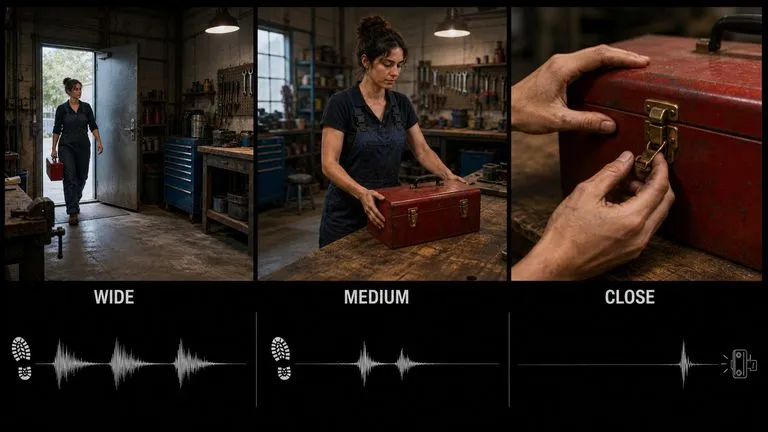
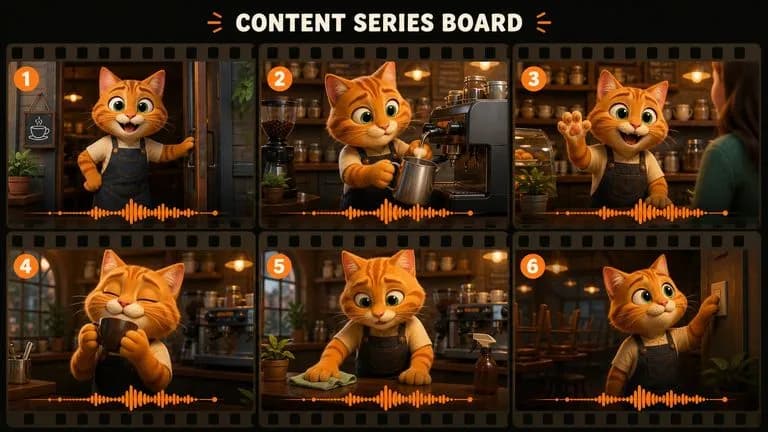
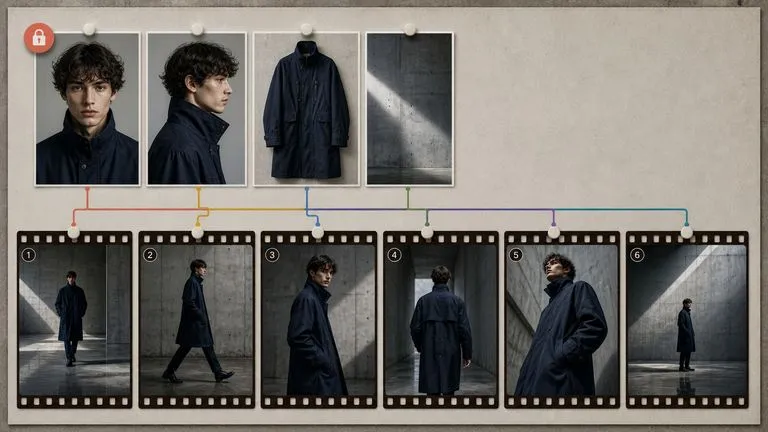
Rather than generating three shots and cutting them together, the multi-shot mode plans the sequence from one prompt, so the setups relate to each other by design.
Double the previous generation's frame rate, which shows most in fast motion and camera movement where 30fps starts to stutter.
Standard and Pro take the same inputs and the same prompts, so moving between iteration and delivery is a click rather than a rewrite.
Dialogue work has a rhythm problem that silent video does not. A line that reads fine on the page takes four seconds to say, and you only find that out after generating. Virse keeps the script beside the output. The written dialogue, the frames it plays over, and every take sit on one canvas, so adjusting a line and re-running is an edit in place rather than a hunt through files.
Park the written dialogue beside the generated clip so timing problems are traceable to the line that caused them.
Build the opening composition with an image model on the same canvas and hand it straight to Kling 3.0.
Move between Kling 3.0 and 30+ other image and video models without leaving the canvas or rewriting the brief.
Generate the same scene in each market's language and lay the takes side by side.
Short exchanges where speech has to land on the mouth and match the performance.
Multi-shot sequences planned as a sequence rather than assembled from unrelated clips.
A person speaking to camera, in whichever of the supported languages a market needs.
The same scene reshot for each language without redesigning it.
Reveals and demonstrations where effects and ambience are generated with the picture.
Recurring characters delivering short lines across a run of posts.
Standard while you are working out the scene, Pro for the version that ships.
Upload the opening frame, the closing frame, or both. Both ends fixed gives the most predictable result.
Put the actual dialogue in quotation marks and say who delivers it.
Watch once for rhythm before looking at picture quality. Pacing problems are brief problems.
A useful Kling 3.0 prompt usually includes five elements:
与其这样写
A shopkeeper talking to a customer, cinematic, natural dialogue.
不如这样写
Open on a woman in her fifties behind a bookshop counter, side-on to camera, sorting receipts. She looks up and says, 'We close in ten minutes,' then returns to the receipts. Static medium shot from the customer's position, no movement. Quiet interior ambience, paper handling, distant street noise through glass, no music. End with her head lowered again.
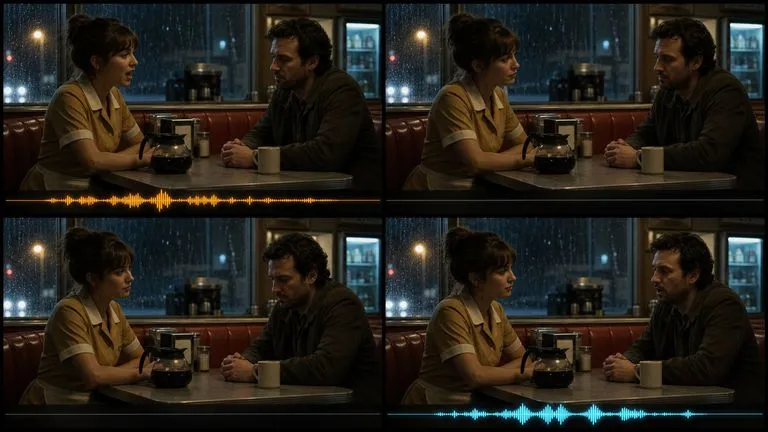
Two people at a small café table, seen from the side in a static medium shot. The man says, "You didn't tell her." The woman waits, then answers, "I didn't have to." Each voice distinct, unhurried delivery, a beat of silence between the lines. Café ambience with cups and low chatter, no music. End on the woman looking away.
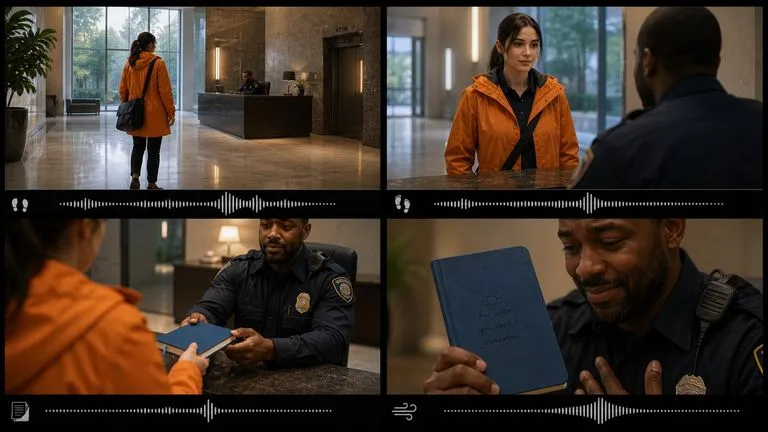
A three-shot sequence in a workshop, planned as one continuous scene. Shot one: wide, a woman entering through a doorway. Shot two: medium, she sets a toolbox on the bench. Shot three: close, her hands opening the latch. Consistent overhead lighting and the same character throughout. Workshop ambience, footsteps, and the latch clicking on the final shot. No dialogue, no music.
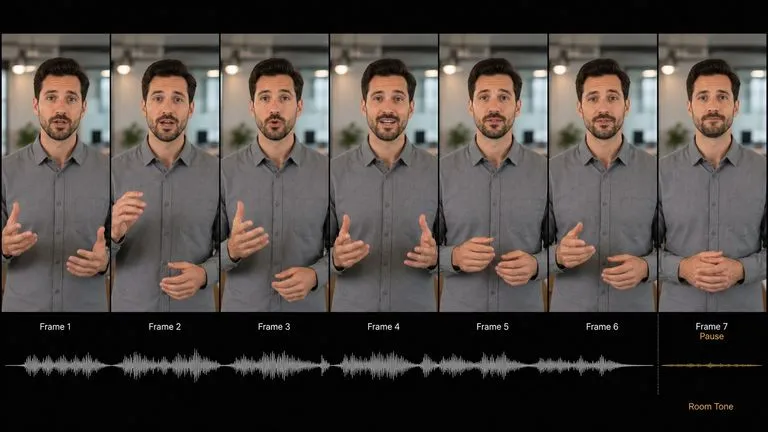
A man in a plain grey shirt standing against a soft-focus office background, framed waist-up, facing camera. He says, "Three things changed this quarter, and only one of them was planned." Camera static, no movement. Even soft key light from the front left. Quiet room tone, no music, no background voices. End with him pausing, mouth closed.
| 对比维度 | Kling 3.0 Standard | Kling 3.0 Pro |
|---|---|---|
| Positioned for | Cost-efficient iteration | Final-quality output |
| Inputs | Identical to Pro | Identical to Standard |
| Dialogue support | Yes | Yes |
| Storyboard mode | Yes | Yes |
| Audio | Optional, priced separately | Optional, priced separately |
| Typical use | Blocking timing and performance | The take that ships |
A three-second clip holds roughly one short sentence at natural pace. A paragraph forces the model to rush or truncate it.
Name them as three layers. Bundling them into one sentence produces a muddled mix.
A held pause before a line is a directable choice, and it usually reads better than continuous sound.
Describing three shots in order beats compressing them into one continuous take the model has to interpret.
Write the line, name the voice, and let the model handle the mouth, the timing, and the room it is spoken in.