What Is a Moodboard? Meaning, Purpose, Examples, and How to Create One
 Yifan Zhao読了 8 分 ·
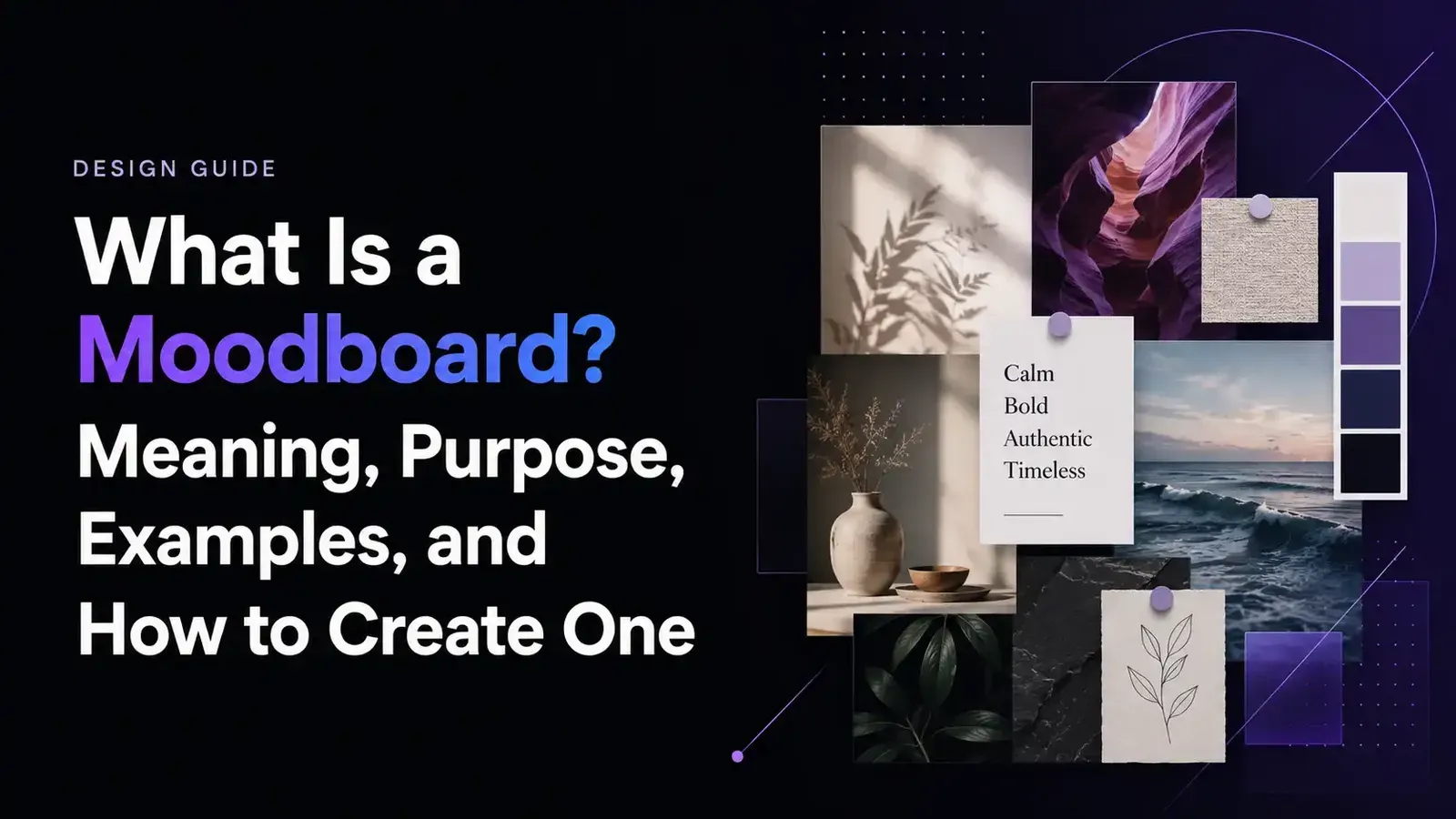
A moodboard is a visual tool that combines images, colors, textures, typography, quotes, and other creative references to communicate the feeling, style, and direction of a project. It helps transform abstract ideas into a clear visual concept, making it easier for creators, clients, and teams to understand the intended look and atmosphere before the final work begins. In professional workflows, this often becomes the first step toward stronger art direction and a more structured design workflow.
Whether you are planning a wedding, developing a brand identity, designing an interior space, creating content, or exploring a personal goal, a moodboard provides a visual roadmap. Instead of explaining a concept with vague words like “modern,” “luxury,” or “minimal,” a moodboard allows people to see exactly what those ideas mean. Learning how to make a moodboard can also make it easier to translate those references into clearer AI design prompts.
Many designers use moodboards not because they lack inspiration, but because they often have too many ideas. A well-organized moodboard filters scattered references into a focused creative direction and reduces misunderstandings during the design process. This becomes especially useful in AI-assisted creative workflows, where visual references can help keep multiple explorations aligned.
What Is a Moodboard? Definition and Key Elements
A moodboard (also written as mood board) is a visual collection of creative elements that represents the mood, emotion, style, and overall direction of an idea or project.
A moodboard can exist in two main forms:
- Physical moodboard: A handmade board containing printed images, fabric samples, color swatches, magazine cutouts, and other physical materials.
- Digital moodboard: An online visual board created with images, graphics, text, and design elements that can be edited and shared easily.
The purpose of a moodboard is not to show the final design. Instead, it works as a creative reference point that answers questions such as:
- What should this project feel like?
- What visual style should guide future decisions?
- Which colors, materials, and design choices fit the concept?
Common Components of a Moodboard
A professional moodboard may include:
Images and Inspirational References
Images are usually the foundation of a moodboard. They communicate visual ideas that are difficult to describe with words.
Examples include:
- Photography styles
- Product references
- Architecture
- Nature scenes
- Fashion imagery
- Lifestyle photos
However, experienced designers emphasize that a moodboard should not become a random collection of attractive pictures. Each image should support a specific creative direction.
Color Palettes
Colors help establish the emotional tone of a project.
For example:
- Warm colors can create a feeling of comfort and energy.
- Neutral tones can communicate simplicity and sophistication.
- Pastel colors can create a softer, calming atmosphere.
A consistent color palette helps ensure that later design decisions remain visually connected.
Typography
Fonts and text styles influence how a project communicates.
Typography choices can make a design feel:
- Elegant
- Playful
- Traditional
- Modern
- Minimal
For branding projects, typography is especially important because it helps define personality and recognition.
Fabrics, Materials, and Textures
Textures add depth and realism to a moodboard.
Examples:
- Wood textures for interior projects
- Fabric samples for fashion design
- Paper textures for editorial design
- Metal or glass references for product concepts
These elements help communicate not only how something looks but also how it might feel. In fashion concept development, material and texture references are particularly important because they influence both visual identity and garment direction.
Quotes, Keywords, and Written References
Words can strengthen the emotional direction of a moodboard.
Examples:
- “Modern simplicity”
- “Warm and natural”
- “Bold creativity”
Short phrases help keep the project aligned with its original purpose.
Patterns, Graphics, and Brand Elements
For commercial projects, moodboards may also include:
- Logo inspiration
- Graphic styles
- Decorative patterns
- Illustration references
These elements help create a consistent visual identity.
What Is a Moodboard Used For? Common Applications and Examples
Moodboards are used across many creative industries because they help people visualize ideas before investing significant time and resources.
Wedding Moodboard for Event Planning
A wedding moodboard helps couples and planners define the overall atmosphere of an event.
It may include:
- Venue inspiration
- Flower arrangements
- Table decorations
- Wedding outfits
- Photography styles
- Color themes
In real-world planning discussions, wedding professionals often use moodboards because clients may describe a feeling rather than a specific design. For example, “romantic but modern” can mean different things to different people. A moodboard turns that description into something everyone can evaluate.
Photography Moodboard for Creative Direction
Photographers use moodboards to plan visual storytelling before a photoshoot.
A photography moodboard may include:
- Lighting references
- Location ideas
- Camera angles
- Color grading examples
- Styling inspiration
It helps photographers, models, and clients agree on the intended result before production begins. This is a practical example of how moodboards support art direction before production starts.
Interior Design Moodboard for Home Projects
Interior designers use moodboards to explore:
- Furniture styles
- Wall colors
- Materials
- Textures
- Room layouts
For example, a bedroom moodboard might combine:
- Neutral colors
- Natural materials
- Bedding styles
- Lighting inspiration
This allows homeowners to understand the overall atmosphere before purchasing furniture or making renovation decisions.
Fashion Moodboard for Design Concepts
Fashion designers often create moodboards before developing a collection.
Common elements include:
- Fabric references
- Clothing silhouettes
- Patterns
- Editorial images
- Historical influences
A fashion moodboard helps define the story and emotion behind a collection.
Brand and Professional Moodboard for Business Projects
Businesses use moodboards to establish visual direction for:
- Brand identity
- Marketing campaigns
- Packaging
- Content creation
A professional moodboard may include:
- Brand colors
- Typography styles
- Photography direction
- Visual personality
This helps teams maintain consistency across different creative materials. For larger campaigns, the same visual logic can support brand consistency in AI ad creative.
Lifestyle Moodboard for Personal Goals
Moodboards are also used for personal projects, such as:
- Career goals
- Travel planning
- Fitness motivation
- Lifestyle changes
They provide a visual reminder of future goals and personal aspirations.
How Can a Moodboard Inspire and Guide Your Projects?
A Moodboard Helps Visualize Creative Ideas Clearly
One of the biggest benefits of a moodboard is turning abstract concepts into something visible.
Instead of saying:
- “Make it premium”
- “Make it youthful”
- “Make it natural”
a moodboard shows:
- Specific colors
- Images
- Materials
- Design patterns
This gives everyone a shared understanding of the creative direction.
A Moodboard Improves Collaboration and Feedback
Creative projects often involve multiple people, including:
- Designers
- Clients
- Marketing teams
- Business owners
A moodboard provides a common reference point.
It helps teams:
- Discuss ideas faster
- Provide clearer feedback
- Reduce unnecessary revisions
Design discussions frequently fail when people interpret words differently. A moodboard minimizes that gap by creating a shared visual language.
A Moodboard Maintains Brand and Design Consistency
For ongoing projects, a moodboard acts as a visual guide.
It helps ensure:
- Colors remain consistent
- Design choices match the original vision
- Brand personality stays recognizable
This is especially useful when multiple people contribute to a project.
What Should You Avoid When Creating a Moodboard?
Avoid Collecting Random Images Without a Clear Goal
A common mistake is saving hundreds of inspirational images but having no clear direction.
A stronger approach is asking:
- Why does this image belong here?
- What feeling does it communicate?
- How does it support the project goal?
A moodboard should tell a visual story, not simply display attractive images.
Avoid Treating a Moodboard as the Final Design
A moodboard is a starting point, not a finished product.
It provides:
- Inspiration
- Direction
- Visual alignment
The final design will still require decisions about layout, functionality, and execution.
Avoid Focusing Only on Aesthetics
A beautiful moodboard is not always an effective one.
A useful moodboard should connect visuals with:
- Audience needs
- Project goals
- Brand values
How to Make an Effective Moodboard Step by Step
Step 1: Define Your Purpose and Audience
Before collecting images, decide why you are creating the moodboard.
Ask:
- Is it for personal inspiration?
- Is it for a client presentation?
- Is it for team collaboration?
The audience affects how detailed and structured the moodboard should be.
Step 2: Choose a Template or Create One From Scratch
You can start with a structured template or build your own layout.
Templates are useful because they:
- Save time
- Provide organization
- Help beginners start quickly
Creating from scratch offers:
- More flexibility
- Greater creative control
- A more personalized result
Step 3: Collect Images, Materials, and Text References
Gather:
- Photos
- Color examples
- Textures
- Fonts
- Quotes
- Keywords
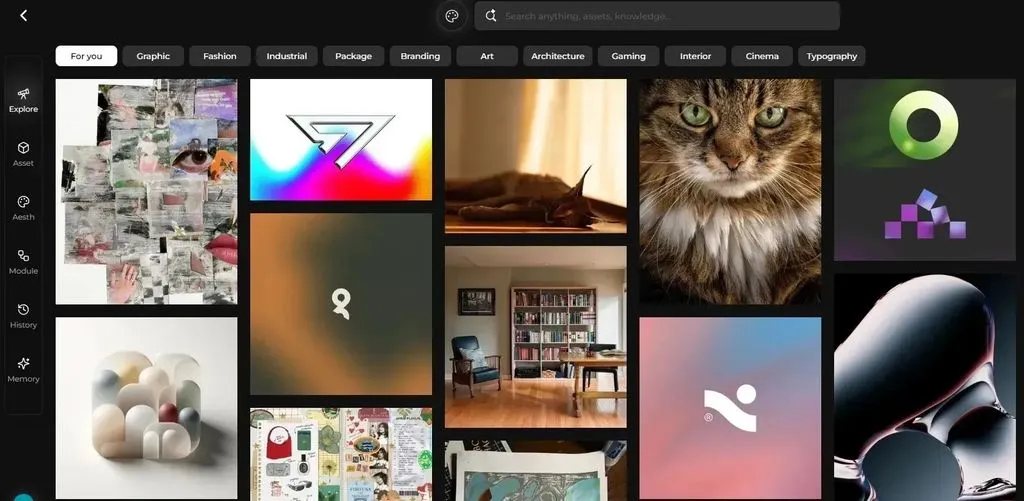
Useful sources include creative libraries, photography collections, and your own project references.
The key is quality over quantity. Select elements that strengthen the overall direction.
Step 4: Arrange and Refine Your Moodboard
Start organizing:
- Image placement
- Color relationships
- Visual hierarchy
- Overall balance
Try different layouts and remove anything that feels disconnected.
A strong moodboard should feel like one unified concept rather than separate pieces.
Step 5: Add Brand Elements When Needed
For business projects, include:
- Brand colors
- Logo direction
- Typography styles
- Core visual values
This keeps future design work aligned with the intended identity.
Step 6: Share Your Moodboard and Collect Feedback
A moodboard can be presented through:
- Digital presentations
- Client reviews
- Team meetings
- Printed boards
Early feedback helps identify misunderstandings before the production stage.
Summary: Why Moodboards Are Important for Creative Projects
A moodboard is more than a collection of inspiring images. It is a visual communication tool that helps transform ideas into clear creative direction.
A well-made moodboard can help you:
- Visualize abstract concepts
- Organize inspiration
- Communicate ideas effectively
- Maintain design consistency
- Make better creative decisions
Whether you are designing a brand, planning an event, decorating a home, creating content, or exploring a personal vision, a moodboard provides the foundation for turning ideas into reality.