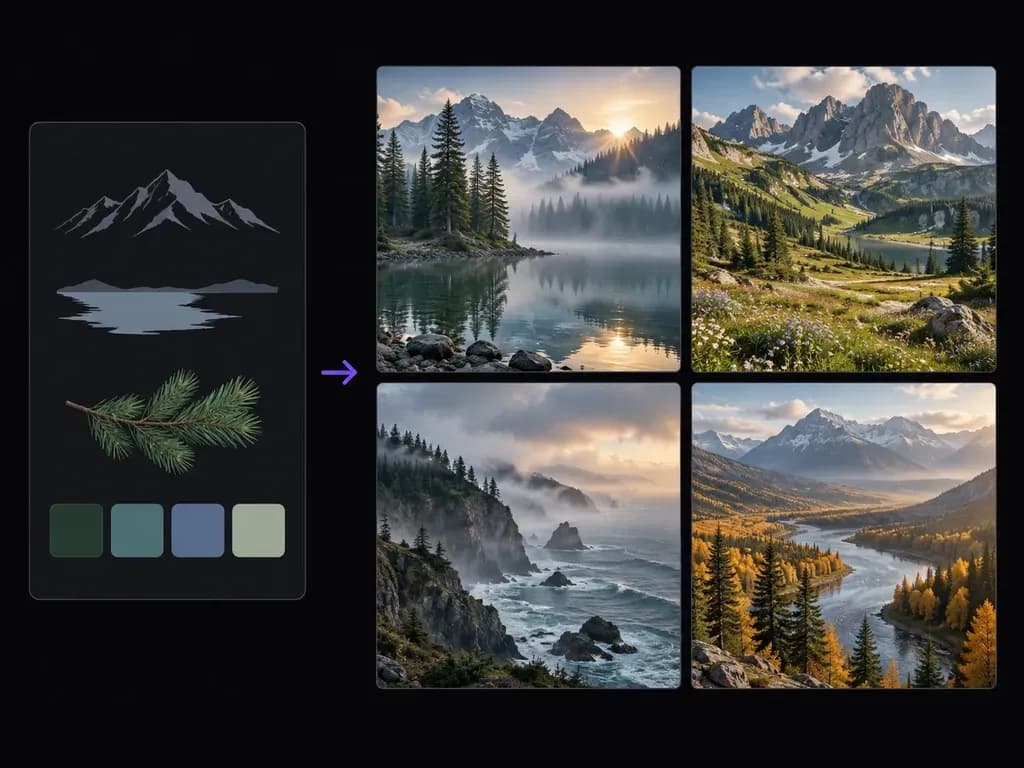
Atmosphere brief
Season, Weather, and Light Control
Direct how dawn mist, midday sun, autumn foliage, or coastal fog interact across mountains, valleys, and water surfaces through plain-English prompts.
Describe the natural landform, season, weather, lighting, and visual style you want, or attach a style reference image. This AI landscape generator creates static natural scenery images from text so you can explore alpine lakes, coastal cliffs, and autumn valleys.
An AI landscape generator (or AI scenery generator) turns a written brief describing geography, atmosphere, and time of day into a finished static landscape image without any source photo. Structure your prompt around three scenery layers:
• Landform and foreground depth: Name primary geography and depth layers, like limestone peaks behind a gravel riverbed or alpine tarn.
• Season and weather mood: Pair seasonal foliage (spring wildflowers, autumn birches, winter frost) with valley fog or storm clouds.
• Lighting and medium finish: Choose golden-hour side light, blue-hour twilight, or overcast mist in photorealistic or painterly styles.
Three controls that make a text-first AI nature background generator useful for concept artists, designers, and visual storytellers.
Direct how dawn mist, midday sun, autumn foliage, or coastal fog interact across mountains, valleys, and water surfaces through plain-English prompts.
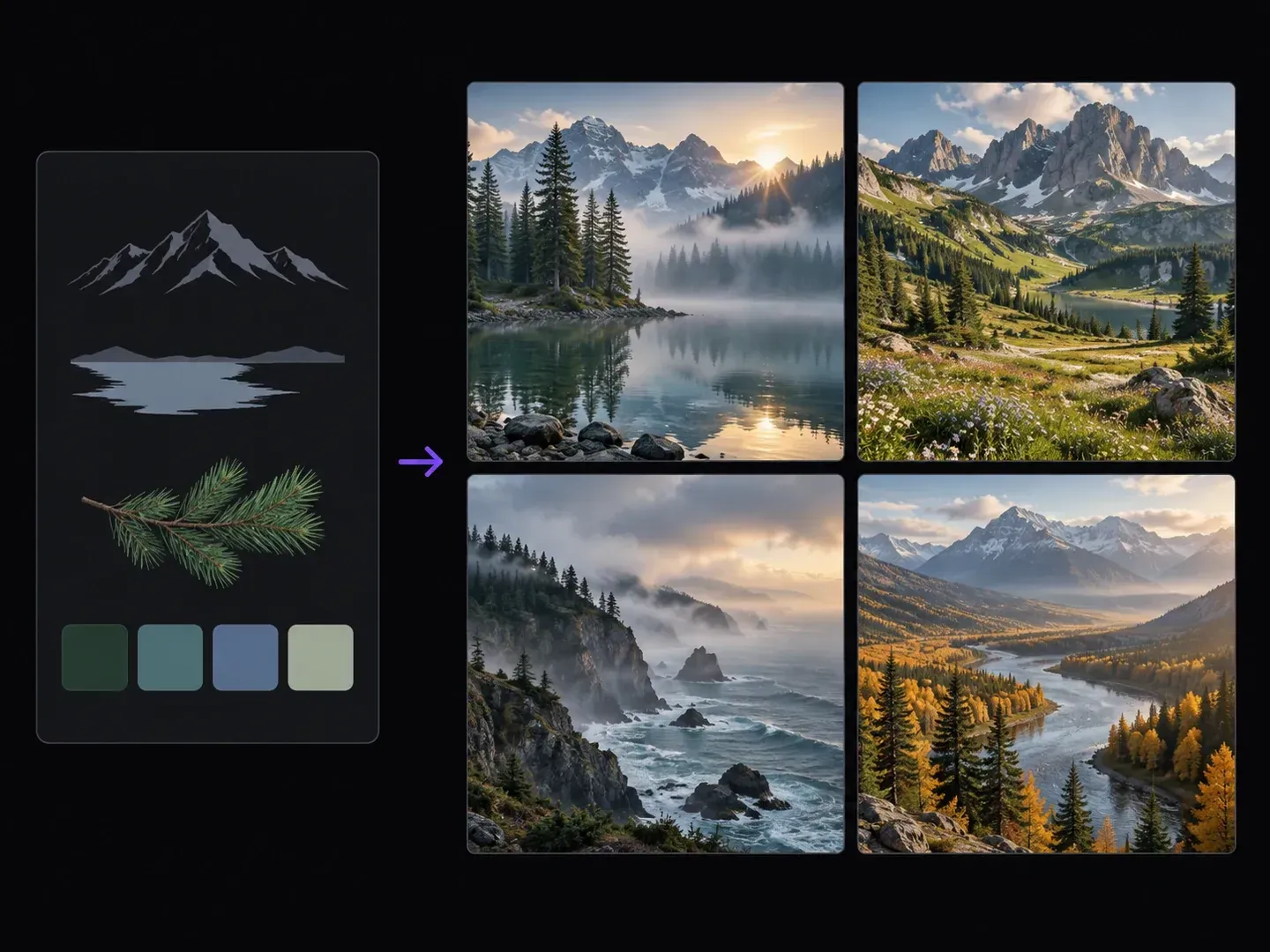
Start purely from text or attach an optional color-palette or brushwork reference card, and pick widescreen, 4:3, square, or vertical framing.
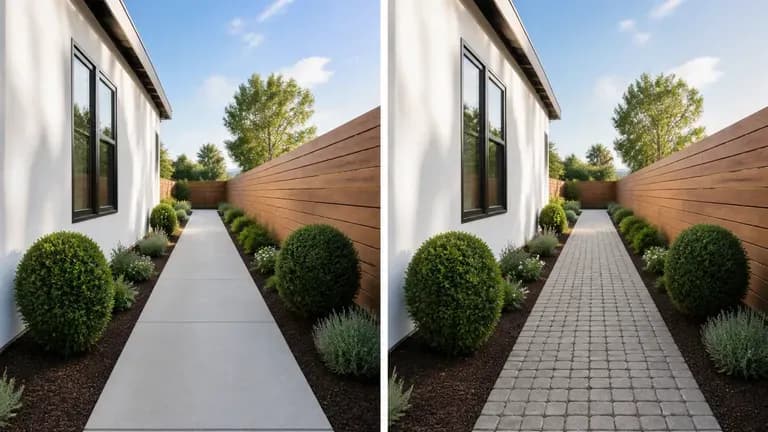
Test dawn mist, midday summer sun, golden autumn birches, and winter snow across individual runs and group them on one Virse environment board.
Why custom geography and weather briefs in a mountain and lake landscape generator beat stock photo searches.
Stock Photo Searches and Generic Filters
Virse AI Landscape Generator
Describe the natural geography, season, weather, and lighting direction when you want to generate landscape art from text.
State whether you want realistic nature photography, watercolor, or concept painting, and note your preferred frame proportions.
Attach a color swatch or brushwork reference image only if you want to guide palette harmony across a multi-scene series.
Render your static vista and run additional seasonal or lighting passes on the Virse canvas to select the strongest horizon and depth layout.
Pairing foreground rocks, middle-ground water or trees, and distant peaks creates geographic depth in the AI landscape generator. Copy any of these briefs:
• Misty alpine lake: "Generate a tranquil alpine lake at dawn surrounded by dark spruce trees, silver mist drifting across calm water reflecting granite peaks."
• Moody coastal cliff: "Create a northern coastal headland with dark basalt cliffs above slate waves, sea fog rolling over wind-bent cliff grass in daylight."
• Autumn river valley: "Render a wide river valley in late autumn with a winding gravel stream, amber birch trees, and snow-dusted mountain ridges in warm light."
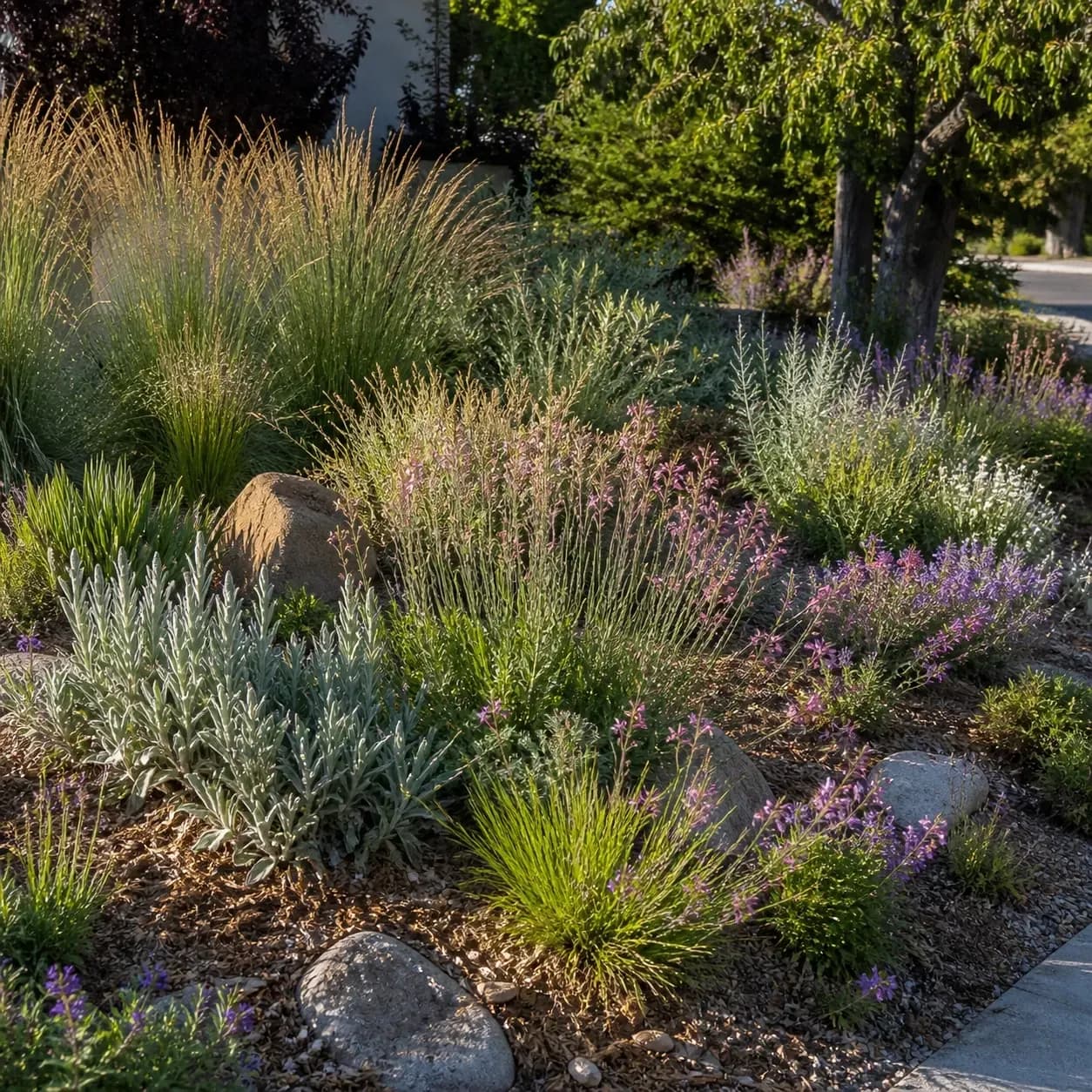
Four creative, publishing, and production workflows where a seasonal scenery concept generator speeds up environment exploration.
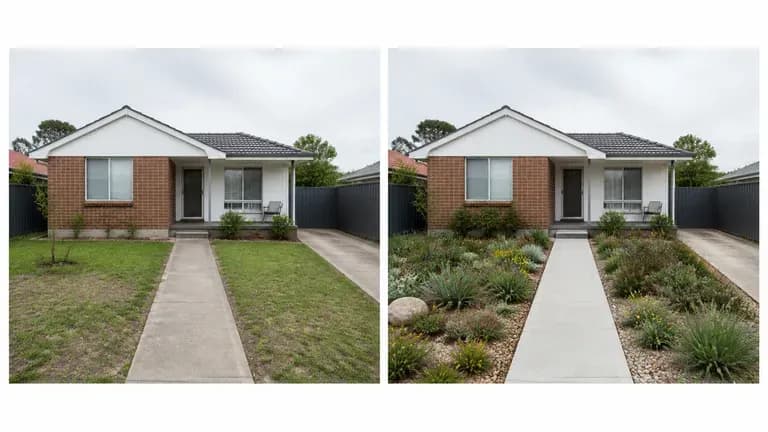
Draft rapid thumbnail vistas and mood paintings across alpine, coastal, desert, and forest biomes before committing to 3D blockouts or matte painting.
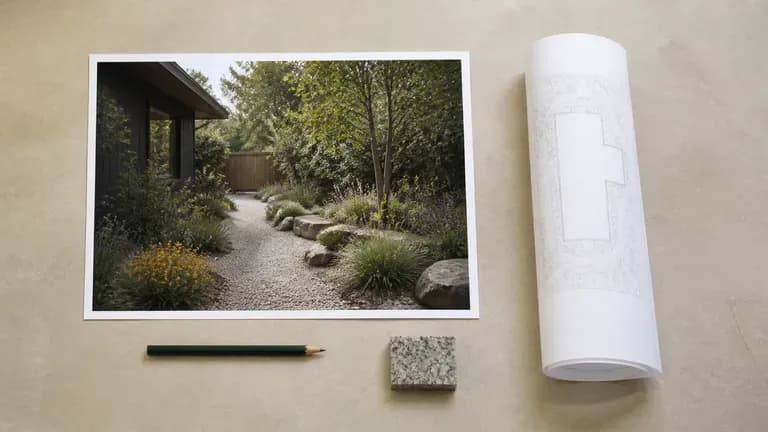
Create custom wilderness and atmospheric nature backdrops with generous sky or water negative space tailored to title typography.
Produce cohesive widescreen nature backgrounds, ambient lo-fi loop stills, and chapter title cards across matching seasonal palettes.
Visualize custom regions, mountain passes, river crossings, and coastal cliffs for campaign lore guides and player handouts.
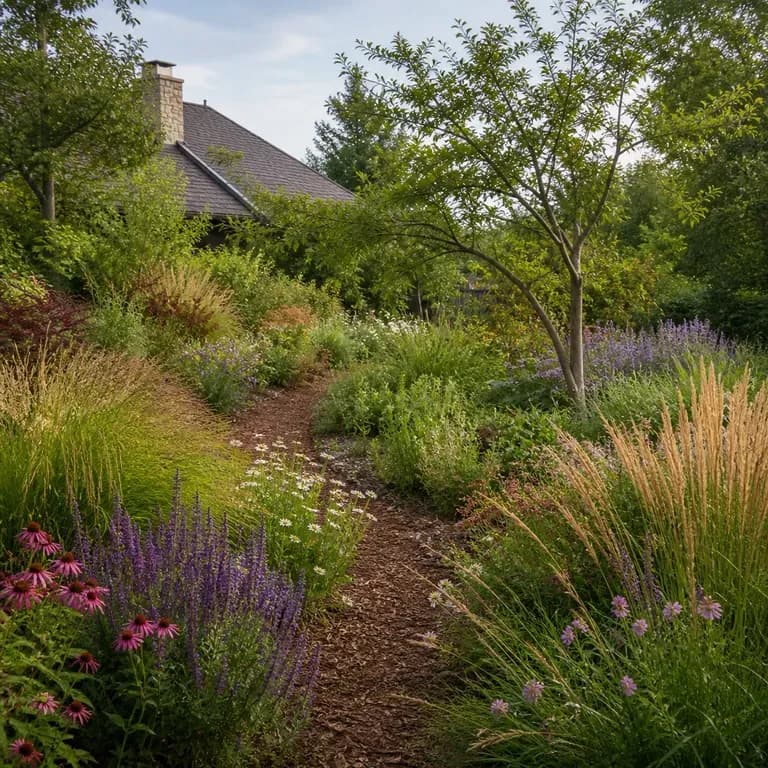
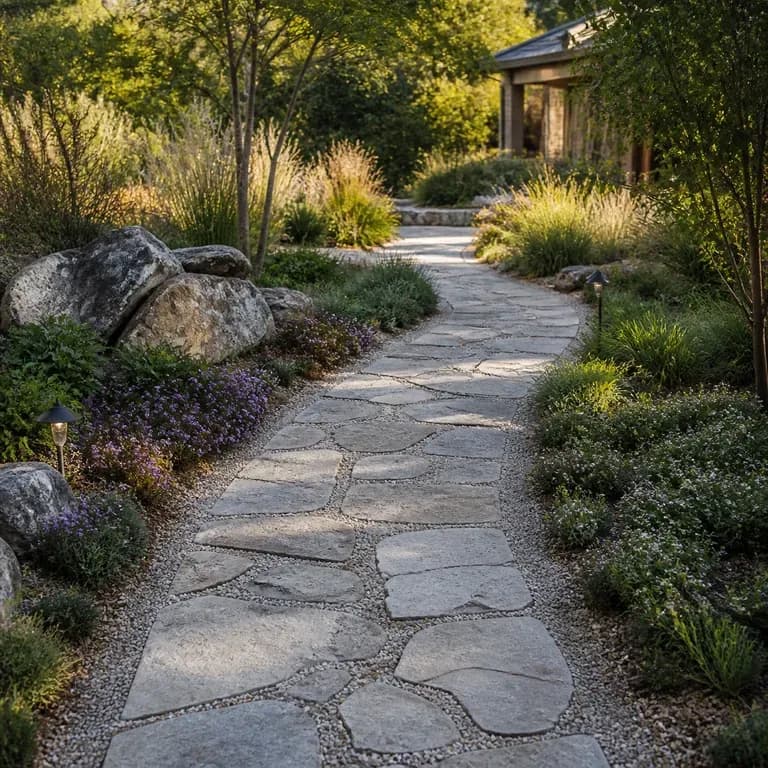
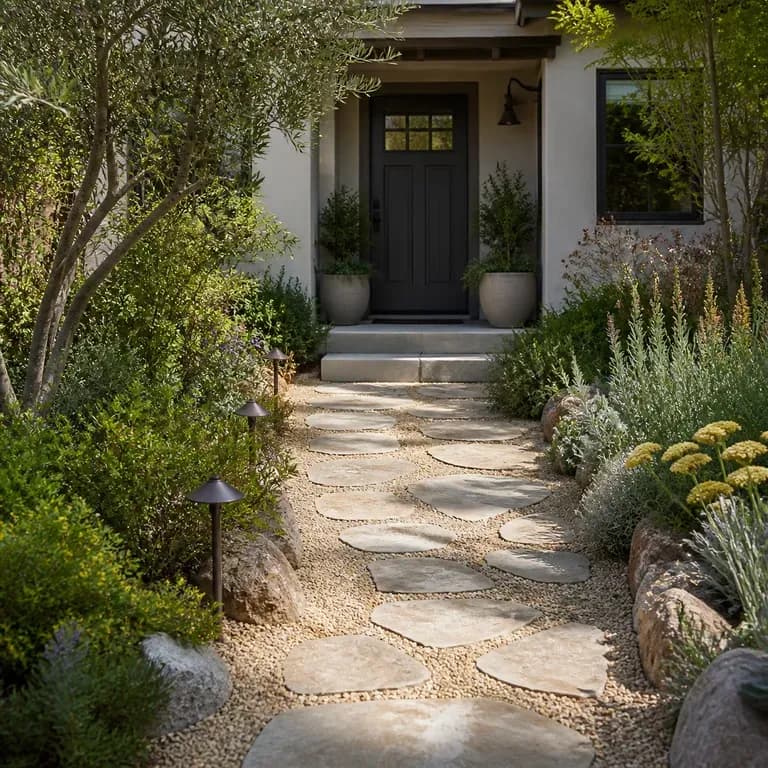
Six static scenery compositions illustrating how text prompts direct topography, weather, and natural light across photographic and painterly styles.
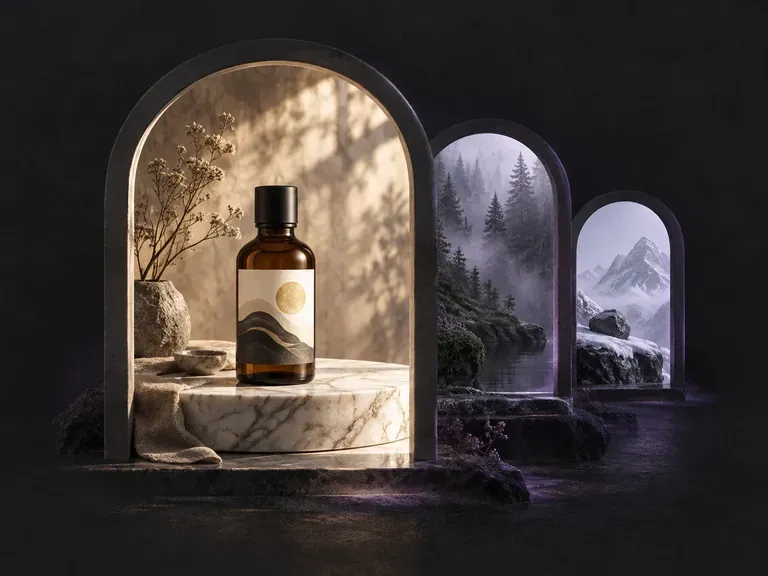
Compose broader indoor and outdoor narrative scenes with props, architecture, and atmospheric lighting.
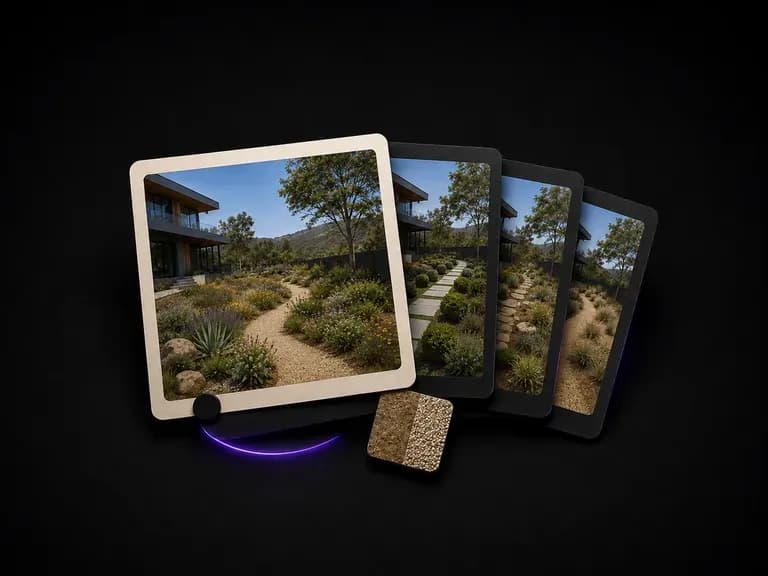
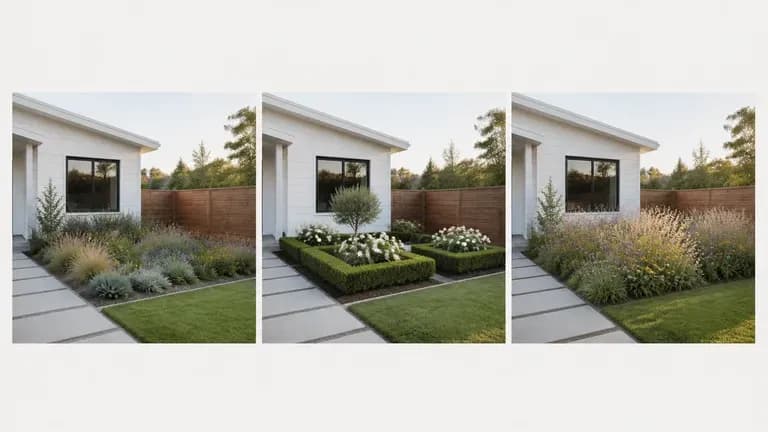
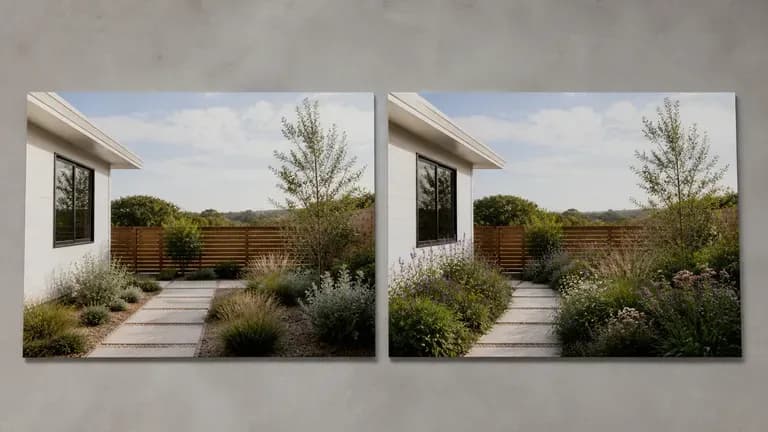
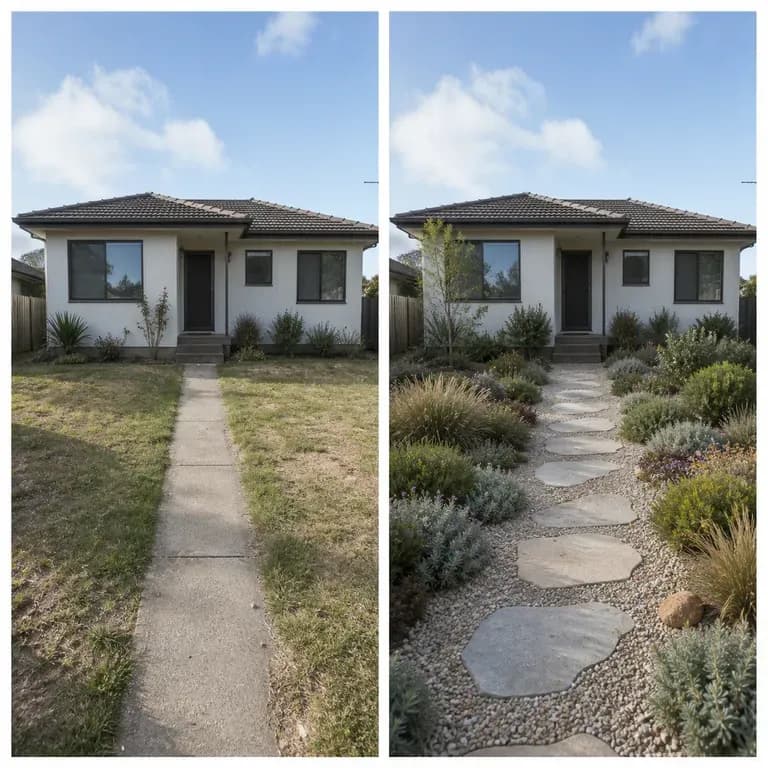
Planning a backyard patio, lawn, or garden remodel from a photo? Use our yard landscaping tool.
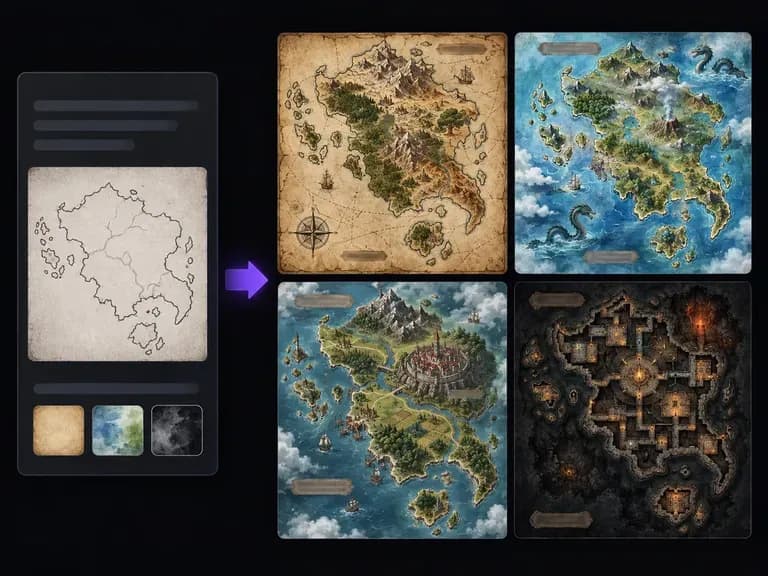
Chart continents, mountain ranges, coastlines, and parchment world maps for regional scenery.
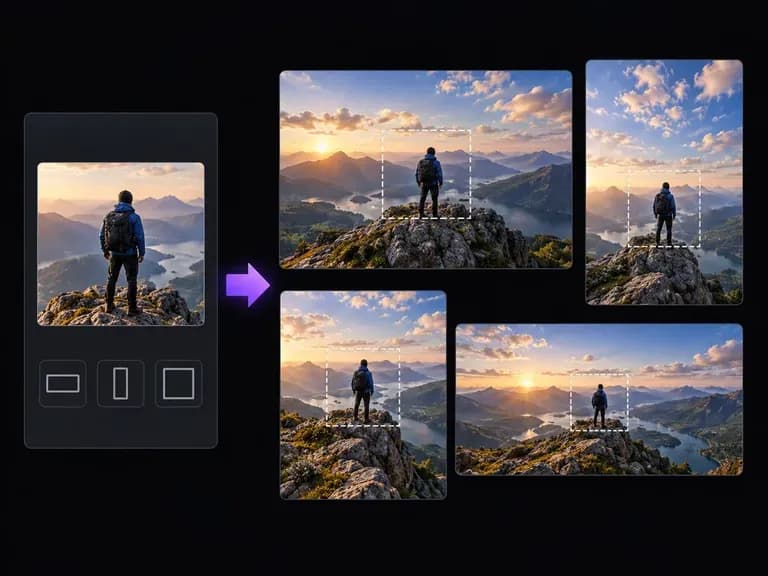
Outpaint the edges of a vertical nature study to turn it into a panoramic widescreen vista.
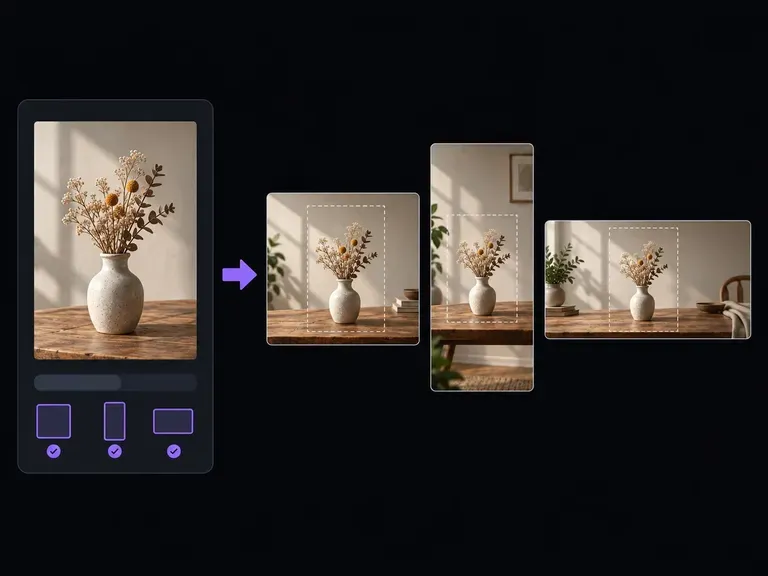
Reframe scenic artwork between 16:9 widescreen, 4:3 print, and 9:16 mobile proportions on the canvas.
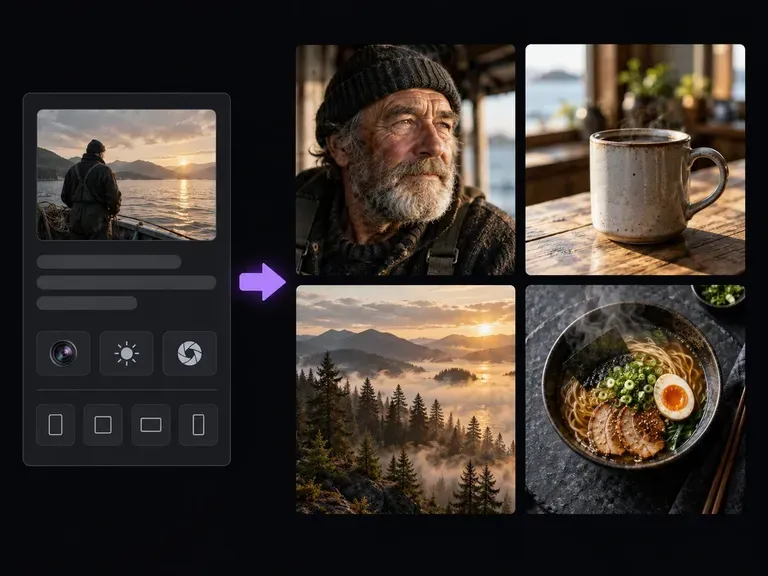
Generate high-resolution photographic nature details, macro textures, and outdoor scenes.
Render atmospheric haze, water reflections, rock strata, and golden-hour light for scenic art.

Explore lush painterly valleys, watercolor nature studies, and cinematic environment art.

Combine landform prompts with up to 14 style or palette reference cards at 4K resolution.

Follow multi-layer environment briefs specifying foreground, middle ground, and horizon mood.
Keep spruce needles, granite cliff strata, and calm water reflections sharp across wide panoramas.
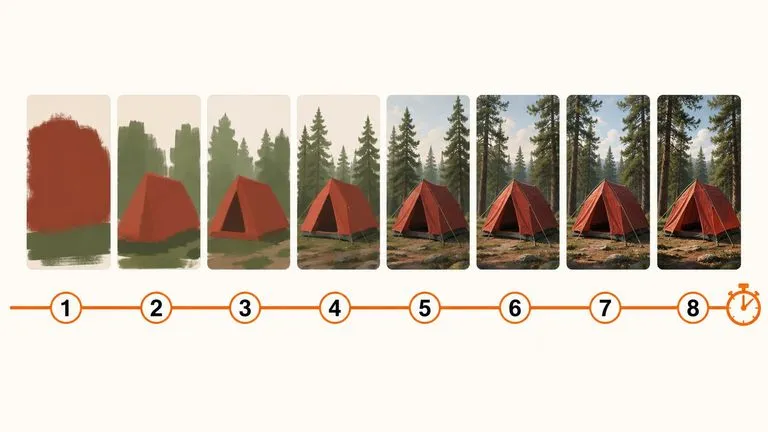
Block out mountain silhouettes, river bends, and cloud formations in seconds before final rendering.
Open the Virse canvas, describe your landform, season, and lighting mood, and compare high-detail natural vistas side by side.