
8단계 추론
8번의 샘플링 단계로 렌더링하며, 1단계까지 구성할 수 있습니다.
60억 개의 파라미터를 갖춘 모델을 8단계 추론 파이프라인으로 압축해, 생각의 흐름이 넘어가기 전에 바로 사용할 수 있는 이미지를 반환하도록 설계했습니다.
데스크톱 브라우저에서 이 페이지를 열어 창작을 시작하세요.
Z-Image Turbo는 하나의 결정에서 출발합니다. 표준 디퓨전 모델이 필요로 하는 20~50단계 대신 추론을 8단계로 압축하고, 그 과정에서 얼마나 많은 품질이 유지되는지 확인하는 것입니다.
결과적으로 꽤 많은 품질이 살아남습니다. 공개된 강점은 포토리얼리스틱 출력, 영어와 중국어의 이중 언어 텍스트 렌더링, 그리고 지시 사항 준수입니다. 이 중 어느 것도 이렇게 작고 빠른 모델이 잘할 것이라고 기대하기 어려운 부분입니다. 이 모델이 포기하는 것은 역량이 아니라 여유 폭입니다.
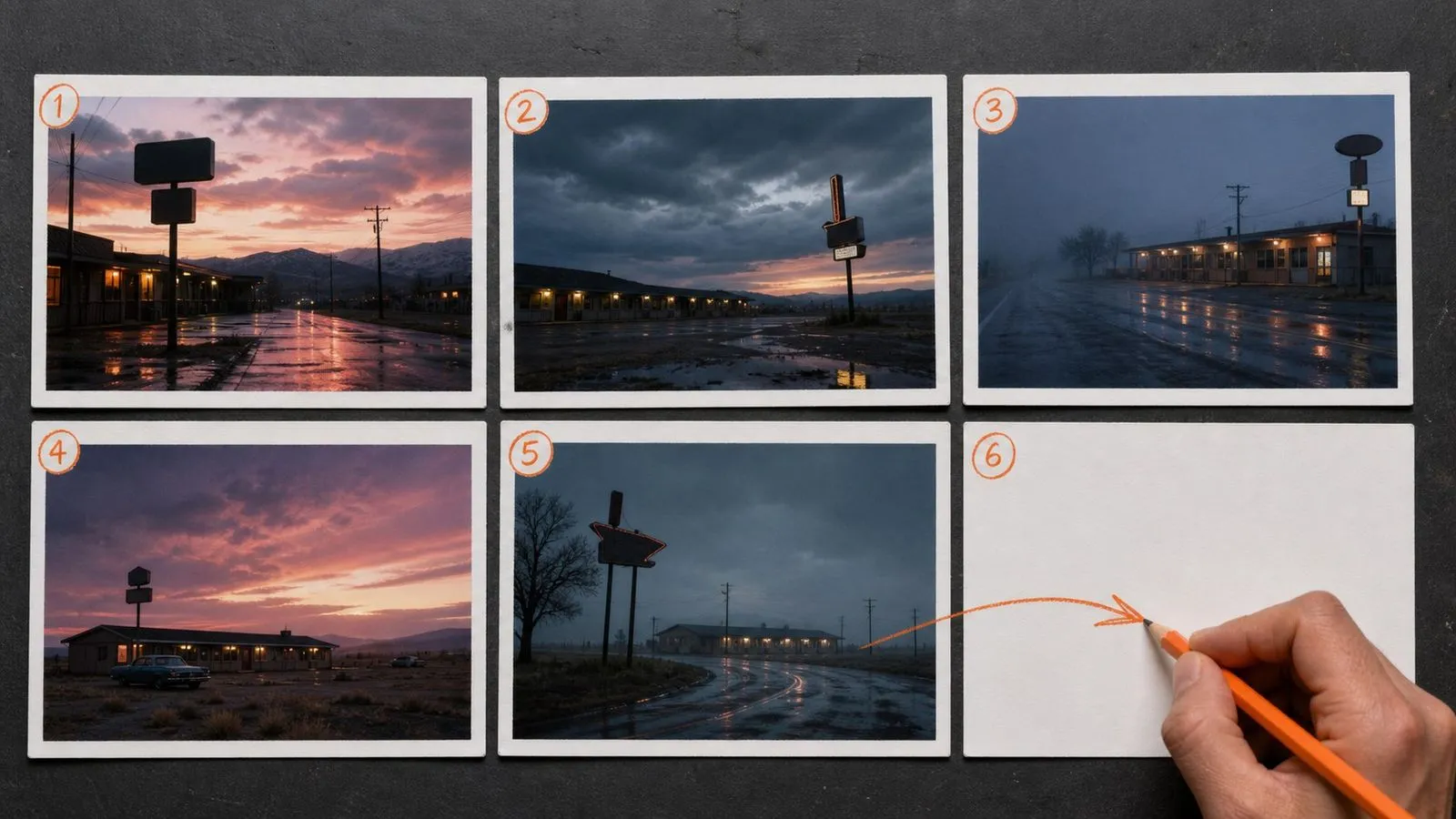
작업의 초반 단계에서 Z-Image Turbo를 사용하세요. 시각적 방향을 탐색하고, 아이디어가 제대로 전달되는지 테스트하며, 레이아웃을 자리 표시자 이미지로 채우고, 제대로 생각하기 위해 실제로 필요한 대량의 폐기용 이미지를 생성할 수 있습니다.
Z-Image Turbo는 60억 개의 파라미터를 가진 텍스트-이미지 모델입니다. 이 모델의 아키텍처는 텍스트 토큰, 시맨틱 토큰, 이미지 토큰이 별도의 분기에서 처리되는 대신 하나의 트랜스포머를 공유하는 단일 스트림 확산 트랜스포머입니다.
이 모델은 세 가지 주요 강점을 중심으로 구축되었습니다:
단계 수는 1단계까지 구성할 수 있으며, 데이터 센터 하드웨어에서 1초 미만의 지연 시간을 달성할 수 있습니다. 가중치는 공개적으로 게시되어 있지만, Virse에서는 설치할 필요 없이 호스팅 모델로 실행됩니다.
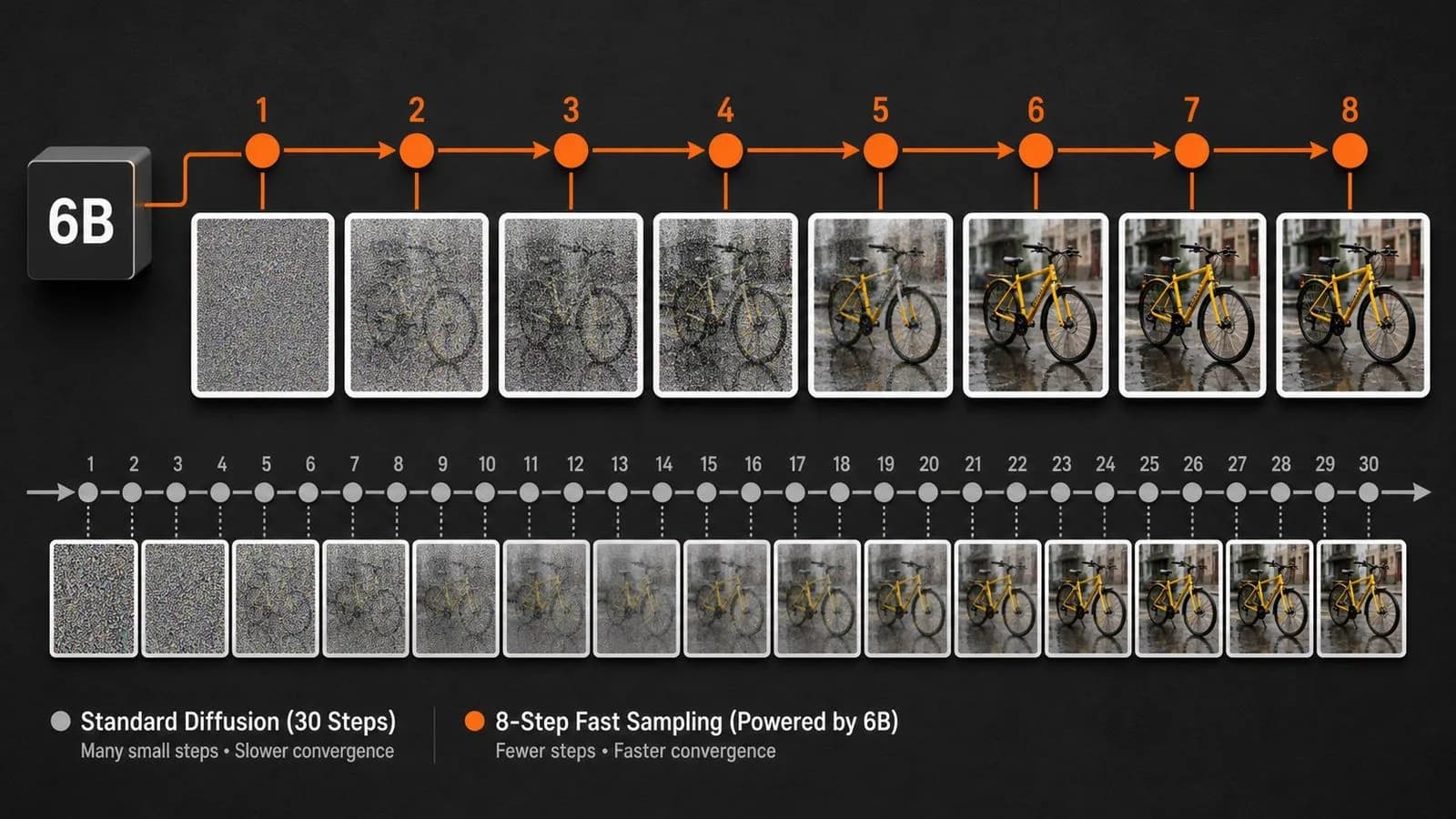
8번의 샘플링 단계로 렌더링하며, 1단계까지 구성할 수 있습니다.
데이터센터 하드웨어에서 달성 가능하며, 전체 설계가 바로 이를 목표로 합니다.
의도적으로 작게 설계했으며, 여기에서 속도가 나옵니다.
텍스트, 의미, 이미지 토큰이 별도 분기가 아니라 하나의 트랜스포머를 공유합니다.
영어와 중국어 문자를 장식이 아니라 언어로 처리합니다.
양식화된 하우스 룩이 아니라 사실적인 렌더링을 제공합니다.
일반적인 20~50단계에 비해 8단계로 처리하는 것은 단순한 튜닝 조정이 아니라 아키텍처 자체입니다. 생각의 흐름을 놓치기 전에 각 렌더링을 끝내겠다는 결정에서 이 모델의 모든 것이 비롯됩니다.
60억 개의 매개변수는 플래그십 모델이 갖춘 규모의 일부에 불과하지만, 포토리얼리즘과 지시 사항 준수는 모두 유지됩니다. 그 절충은 기본 역량이 아니라 여유 성능에서 드러납니다.
영어와 중국어 텍스트 모두 읽을 수 있는 언어로 렌더링됩니다. 빠른 모델 중에서는 이 점이 충분히 드물어, 레이아웃에 두 문자 체계 중 하나로 라벨이 필요할 때 중요합니다.
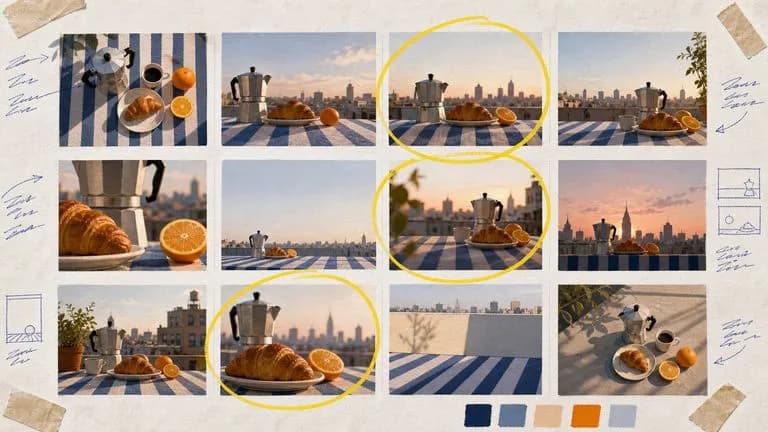
렌더링이 1초 미만으로 걸리면, 여섯 개의 세트를 생성하는 일은 여섯 번의 결정이 아니라 한 번의 결정이 됩니다.
여기에서 마음에 드는 구도는 캔버스를 벗어나지 않고도 바로 더 무거운 이미지 모델에 참조로 보내거나, 비디오 모델에 오프닝 프레임으로 보낼 수 있습니다.
이 모델은 공개적으로 배포되지만, Virse에서는 구성할 환경 없이 호스팅 서비스로 실행됩니다.
빠른 모델은 그 뒤에 이어지는 흐름이 얼마나 탄탄한지에 따라 가치가 달라집니다. 단독으로는 흥미로운 도구에 그치지만, 파이프라인의 첫 단계가 되면 그 이후 모든 과정의 경제성을 바꿉니다. Virse는 그 전달 과정을 직접적으로 만듭니다. 여기에서 생성된 결과는 내보내고, 이름을 바꾸고, 다시 업로드할 필요 없이 플래그십 모델의 레퍼런스나 비디오 모델의 오프닝 프레임이 될 수 있습니다.
플래그십 모델이 두 개를 만드는 시간에 서른 가지 방향을 생성한 다음, 살아남은 것에만 실제 노력을 들이세요.
효과가 있었던 구도를 같은 캔버스에서 더 무거운 모델로 바로 보내 참조 이미지로 사용하세요.
캔버스를 벗어나거나 브리프를 다시 작성하지 않고 Z-Image Turbo와 30+개의 다른 이미지 및 비디오 모델 사이를 오가세요.
거절된 방향들은 선택된 것 옆에 그대로 배치되어 있으며, 대부분의 2차 아이디어는 바로 거기에서 나옵니다.
프로젝트 초반의 폭넓은 비주얼 탐색, 즉 개별 결과물의 완성도보다 방향의 수가 더 중요한 때에 적합합니다.
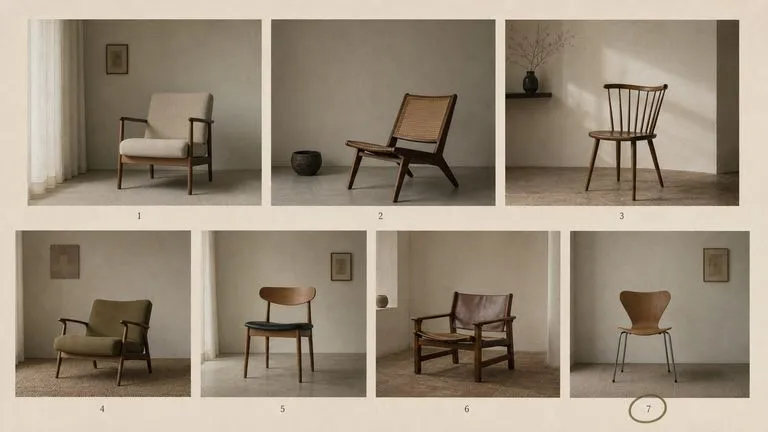
검색 결과에서 하나씩 모으는 대신, 한 번에 일관된 보드를 구성하세요.
실제 이미지가 무엇이 될지 아무도 결정하기 전에, 대략 맞는 이미지로 디자인 시안을 채우세요.
느린 모델에 시간을 들여 확인하기 전에, 어떤 문구가 어떤 결과를 만들어내는지 파악하세요.
비디오 모델이 시작할 프레임을 저렴하게 반복 개선하세요.
각 이미지가 탁월하기보다는 적절하기만 하면 되는 게시 주기에 적합합니다.
주제, 배경, 처리 방식을 지정하세요. 이 속도에서는 긴 브리프가 낭비입니다.
한 번에 여섯 개를 실행하세요. 전체 배치가 플래그십 렌더 하나에 걸리는 시간 정도면 반환됩니다.
구도, 팔레트, 분위기를 비교하세요. 아직은 세부 묘사를 평가할 단계가 아닙니다.
잘 작동한 프롬프트를 더 높은 헤드룸을 가진 모델로 가져가 실제 배포할 버전을 만드세요.
유용한 Z-Image Turbo 프롬프트에는 보통 세 가지 요소가 포함됩니다:
이렇게 쓰는 대신
골든아워에 바람이 휘몰아치는 절벽 끝에 홀로 선 인물, 머리카락은 움직임 중간에 포착되어 개별 가닥들이 림 라이트를 받고, 섬유 질감이 뚜렷한 낡은 울 코트, 멀리 보이는 바닷새들, 볼류메트릭 갓 레이, 85mm, f/1.4로 촬영.
이렇게 쓰세요
해질녘 절벽 끝에 서 있는 인물, 뒤에서 본 모습, 와이드 샷. 따뜻한 낮은 빛. 회화적이고 차분한 색감.
비어 있는 언덕 위에 홀로 선 나무 한 그루, 흐린 하늘을 배경으로 낮은 각도에서 본 모습. 와이드 샷, 나무는 중앙에서 약간 오른쪽. 차분한 회녹색 팔레트, 사진 같은 표현.
밤의 도시 거리 시장. 플랫 일러스트레이션, 네 가지 색상으로 제한된 팔레트, 굵은 검은색 선화, 그라데이션 없음. 정면에서 본 프레임 전체에 노점들이 고르게 분포.
해질녘의 작은 국수 가게 정면, 길 건너편에서 정면으로 본 모습. 문 위의 가로 간판에는 NORTHSIDE NOODLES라고 쓰여 있고, 그 아래에는 절반 크기로 面馆이 있습니다. 안에서 흘러나오는 따뜻한 빛, 그것을 반사하는 젖은 포장도로, 사진 같은 처리.
| 비교 항목 | Z-Image Turbo | Nano Banana Pro |
|---|---|---|
| 매개변수 | 60억 | 플래그십 규모 |
| 추론 단계 | 8, 1로 구성 가능 | 표준 파이프라인 |
| 설계 목표 | 지연 시간 | 출력 한계 |
| 텍스트 렌더링 | 영어 및 중국어, 짧은 문자열 | 긴 문단 및 다국어 레이아웃 |
| 참조 처리 | 단일 프롬프트 기반 | 역할이 있는 다중 이미지 블렌딩 |
| 적합한 용도 | 탐색 및 플레이스홀더 | 최종 에셋, 인쇄, 클라이언트 작업 |
지금 보는 것은 구도, 팔레트, 분위기입니다. 디테일은 논의 대상이 아니며 평가에 포함해서도 안 됩니다.
패턴을 볼 수 있을 만큼 충분한 변형, 해볼 가치가 있는지 고민하지 않을 만큼 빠른 속도.
그 이상은 8번의 추론 단계로는 해결되지 않을 것들을 설명하는 것입니다.
작은 세부 사항을 수정하려고 다시 실행하는 순간, 프롬프트를 바꾸기보다 모델을 전환하세요.
디자인 에셋을 만들고, 편집하고, 준비하기 위한 특화 도구를 살펴보세요.
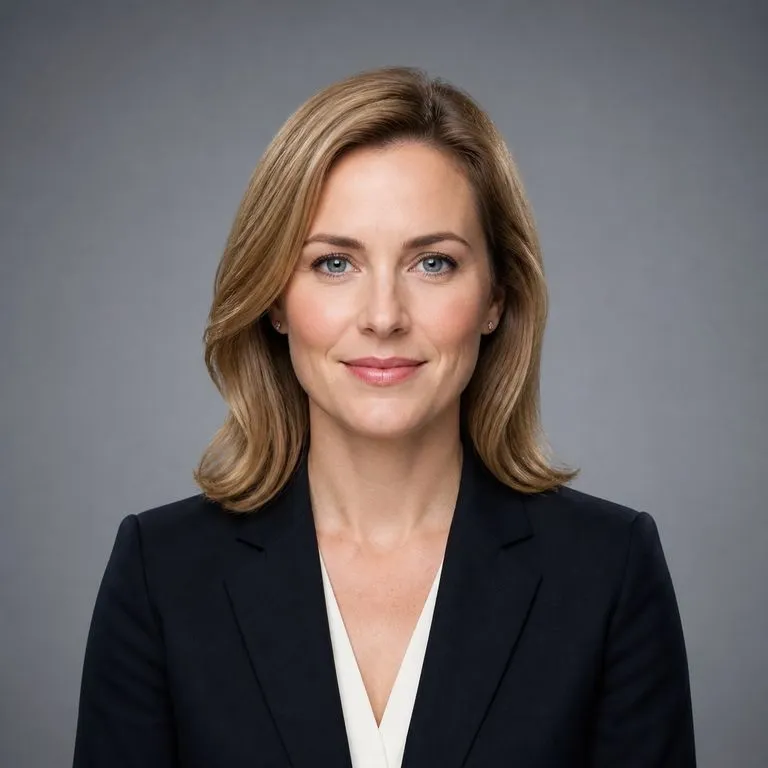
사진 한 장을 업로드하면 각기 다른 장면, 의상, 분위기의 스튜디오급 전문 프로필 사진 세트를 받을 수 있습니다. 얼굴은 그대로 유지됩니다. 학습 단계도 없고, 먼저 여러 장의 이미지를 모을 필요도 없습니다.
제품은 자연스러운 접촉 그림자와 깔끔한 가장자리를 유지한 채 그대로 두고, 제품 사진의 배경을 색상명, hex 또는 색상 참조 이미지로 지정한 균일한 단색으로 교체합니다. 규정을 준수하는 순백색 리스팅 사진이나 장면/라이프스타일 배경 교체용이 아닙니다.
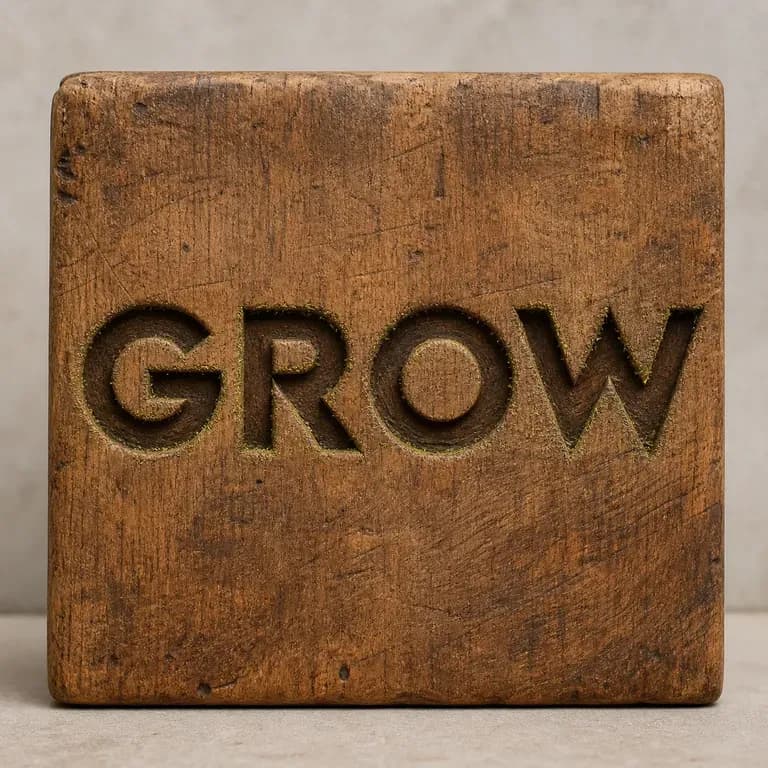
나무에 새겨진 글자는 액체 금속으로 주조된 글자와 빛 아래에서 다르게 반응하며, 하나의 프롬프트가 우연히 둘 다 정확히 구현해 내기는 어렵습니다. 텍스트를 입력하고 소재를 지정하면, 문구는 그대로 유지하면서 해당 소재가 실제로 빛을 어떻게 받아야 하는지 계산한 효과를 받아볼 수 있습니다. 무료 크레딧으로 첫 번째 버전을 만들어 보세요.
Google's Nano Banana 2 pairs flagship-level image quality with Flash-class speed, across four output sizes from rapid 0.5K prototypes to finished 4K.
FLUX 2 이전에 출시된 Black Forest Labs의 FLUX 라인 세대로, 표준 모델과 Ultra라는 두 항목으로 계속 제공됩니다.
ByteDance의 Seedream 4.0 및 Seedream 4.5는 작성한 설명과 제공한 이미지로부터 생성하여, 하나의 원본 사진을 프로젝트에 필요한 만큼 다양한 방향으로 전개합니다.
생각을 끝내기도 전에 렌더링이 완료되면, 제약은 더 이상 시간이 아니라 얼마나 많은 결과를 유용하게 검토할 수 있느냐가 됩니다.