World brief
Terrain, Atmosphere, and Ring Direction
Combine surface biomes, cloud density, ring tilt, and starlight color in plain English so every planet reads with distinct ecological character.
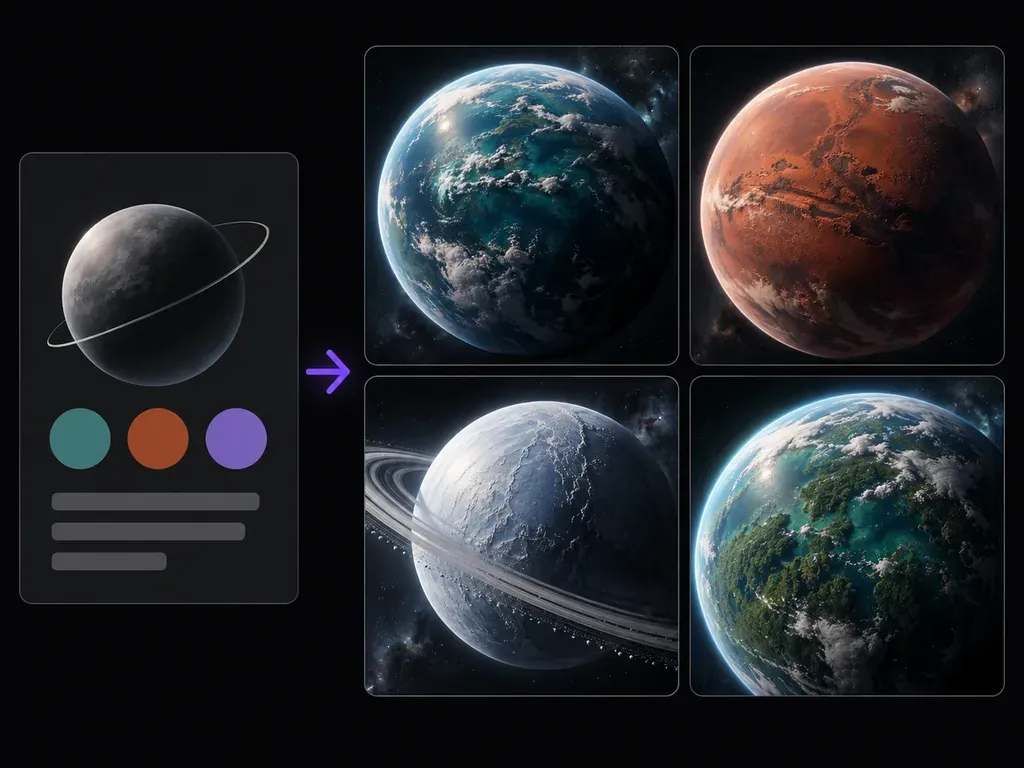
Define your world's planetary class, surface geology, cloud bands, rings, orbital angle, and style in text, or attach a sketch. This AI planet generator renders static space art of ocean worlds, rust deserts, ringed ice globes, and biospheres on Virse.
An AI planet generator (or fictional planet generator) turns notes on geology, atmospheric scattering, and orbital distance into a 2D space illustration of one invented world. Structure three astronomical cues for cinematic results:
• Class and relief: Specify an archipelago ocean globe, rust desert, fractured glacial ice world, or gas giant with original continents.
• Atmosphere and light: Direct how starlight grazes the day-night terminator, lights cyan or amber rims, and shadows tilted rings.
• Viewpoint and style: Choose a full-sphere deep-space view, low-orbit horizon limb, or crescent backlit angle in photo or sci-fi style.
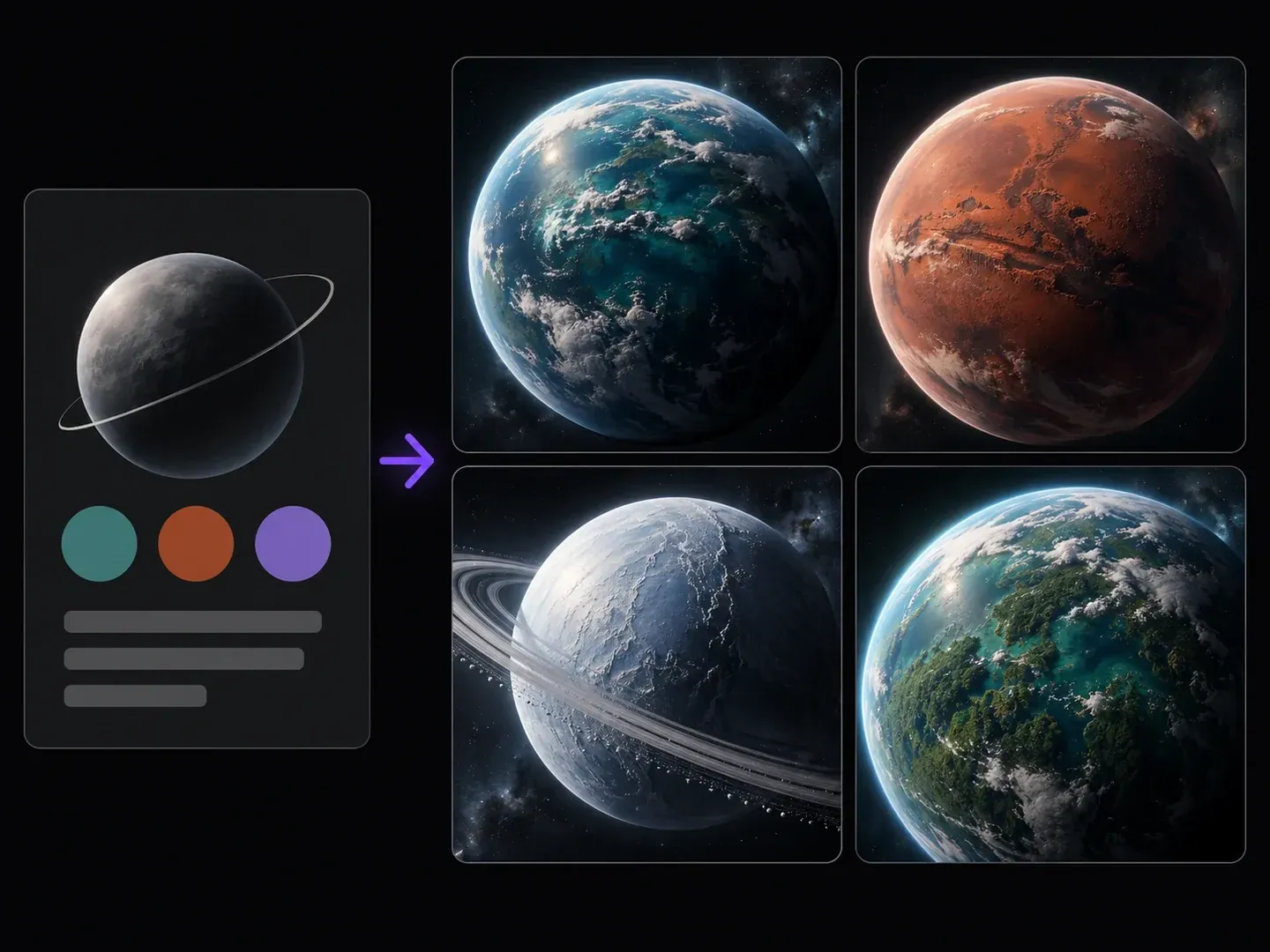
Three controls that help an alien planet art generator deliver clean, single-globe worldbuilding visuals rather than cluttered space collages.
Combine surface biomes, cloud density, ring tilt, and starlight color in plain English so every planet reads with distinct ecological character.
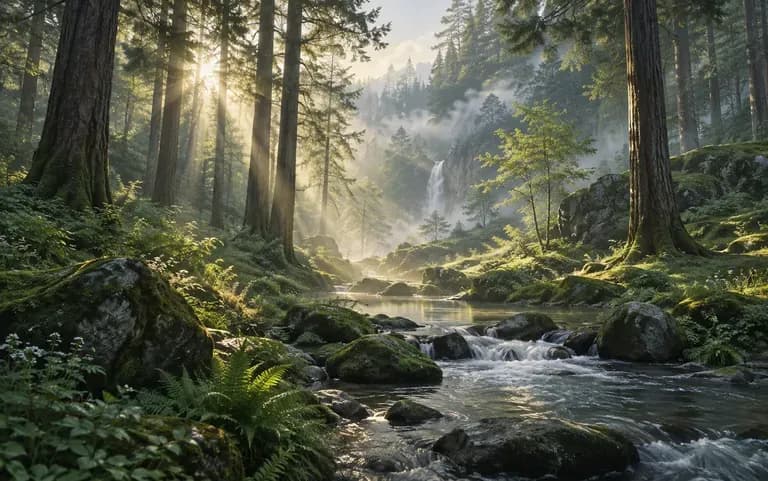
Switch between centered full-globe views, low-orbit curved horizons, and dramatic crescent lighting without Earth continent outlines creeping in.
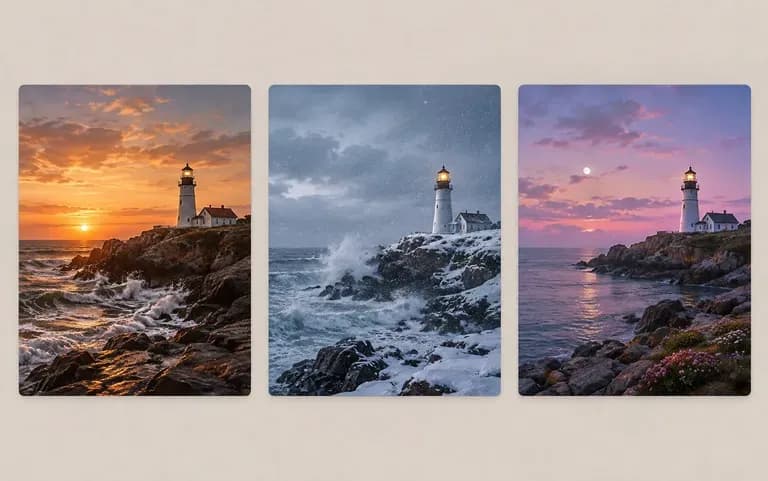
Build an entire planetary family by crafting individual rocky dwarf globes, marine super-Earths, and outer ringed giants across your shared workspace board.
How directing a single world with a sci fi planet concept generator compares with unguided cosmic prompts.
Generic Space Prompts
Virse AI Planet Generator
Write the world type, surface geology, and dominant color palette when you want to generate planet from text descriptions.
Specify cloud thickness, atmospheric rim glow, whether rings are present, and whether the camera sits in deep space or low orbit.
Include a basic sphere-and-ring diagram or color-tone swatch whenever you want extra visual guidance for the orbital angle.
Create your static space illustration on the canvas and inspect continent originality, ring geometry, and terminator light.
Asking for one primary globe and non-Earth landmasses keeps space art clean. Drop these three orbital world templates into Virse:
• Ocean world: "Centered full-sphere space art of one ocean planet with teal seas and volcanic island arcs, white cloud spirals, sharp terminator, starfield, no Earth continents."
• Ice planet: "Cinematic sci-fi art of a pale-cyan ice planet with glacier plains and a wide frost ring system angled at thirty degrees, violet rim."
• Biosphere: "Low-orbit view across the curved horizon of an emerald biosphere world with moss-green continents, turquoise seas, and golden dawn glow."
How novelists, tabletop masters, game developers, and audio producers apply an exoplanet space art generator to build cosmic settings.
Visualize the homeworlds, mining moons, and colony planets of a novel series to keep orbital descriptions and cover briefs cohesive.
Create visual sector cards for star-system exploration handouts, giving players a clear orbital view of each destination world.
Generate high-resolution planetary sprites and orbital backdrop plates for strategy map screens, loading vistas, and codex entries.
Design atmospheric space cover art and widescreen cosmic backdrops featuring lone exoplanets and subtle ring geometry.
Six static planetary concept illustrations showcasing ocean, desert, glacial, emerald, volcanic, and gas-giant worlds.
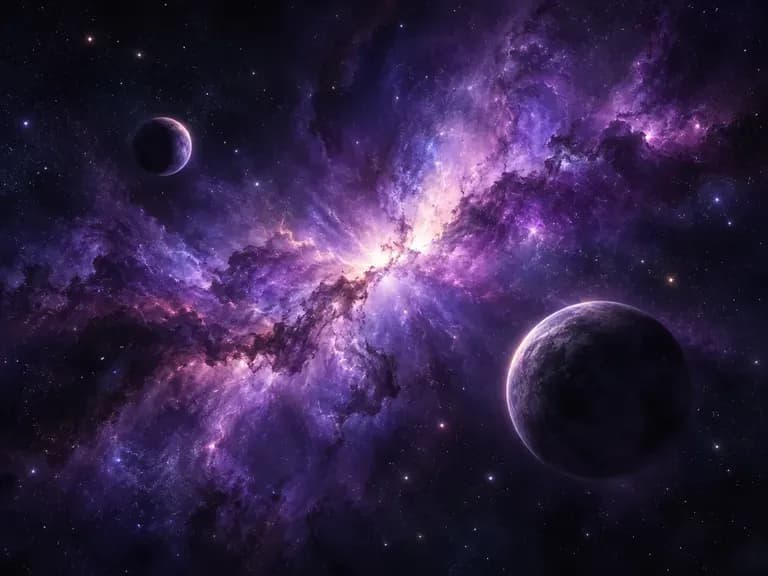
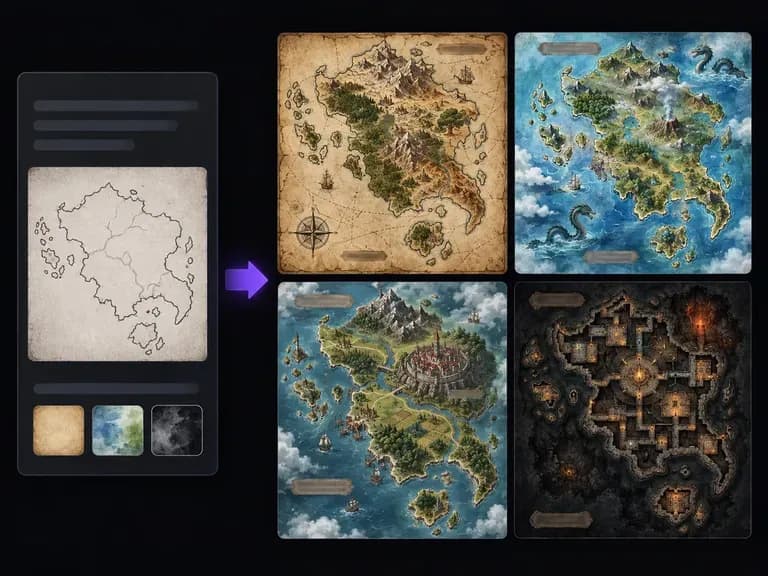
Chart surface continents, archipelagos, and regional maps once you have established your world's orbital look.

Build planetary surface environments, alien vistas, and sci-fi interior scenes from text prompts.
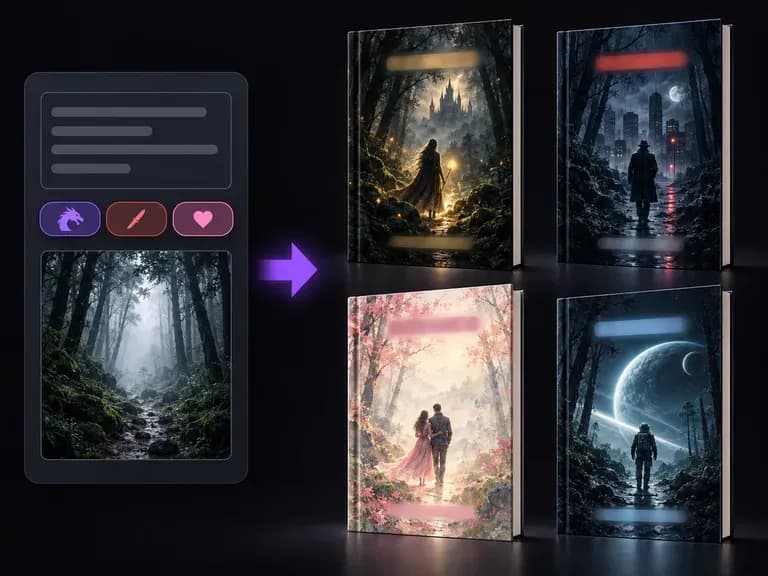
Compose space-opera book jacket designs and paperback front covers around your cosmic artwork.
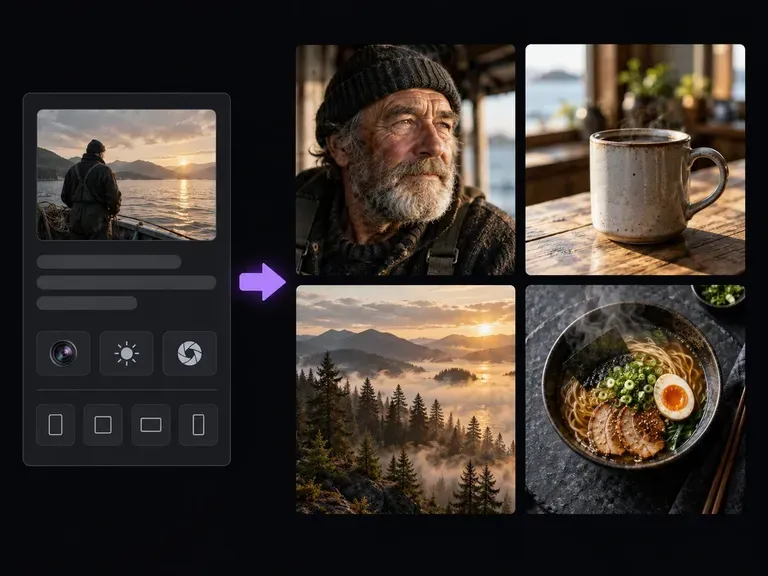
Render high-detail cosmic textures, atmospheric phenomena, and cinematic lighting concepts.
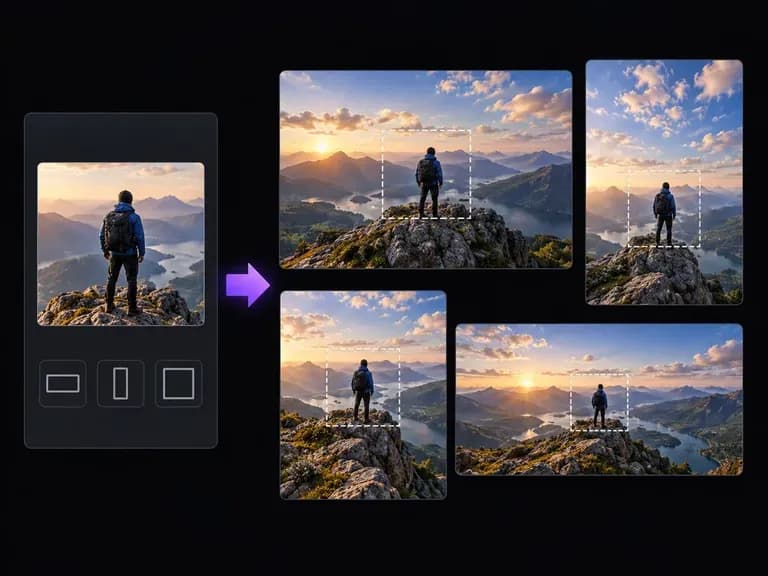
Extend the dark starfield or orbital horizon around a planet study to fit widescreen desktop or banner ratios.
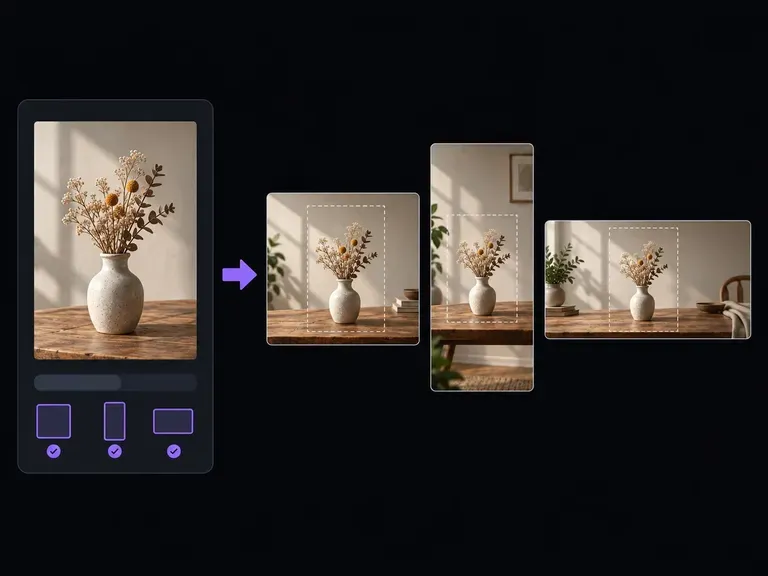
Reformat square planetary globe concepts into 16:9 video backdrops or vertical book-cover proportions.
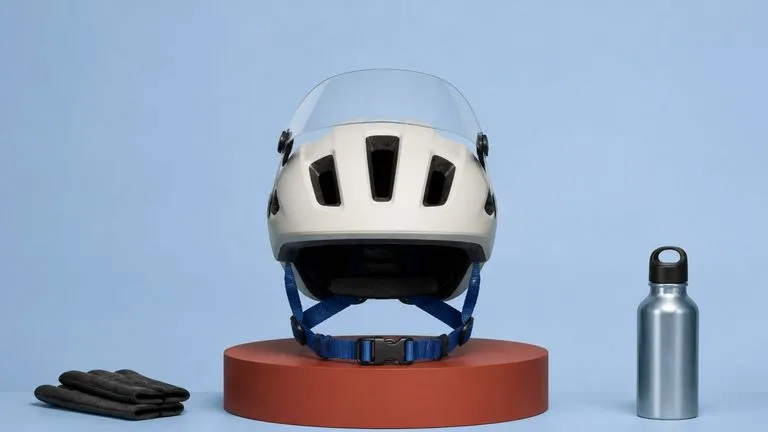
Render physically believable terminator shadows, atmospheric Rayleigh-style rim glow, and fine cloud vortices.

Explore painterly sci-fi book-cover styles, retro space illustration moods, and rich nebula color harmonies.

Combine a simple ring-angle diagram and atmospheric color swatches up to 4K resolution on the canvas.

Follow structured astronomical prompts specifying single-globe framing, original continents, and starfields.
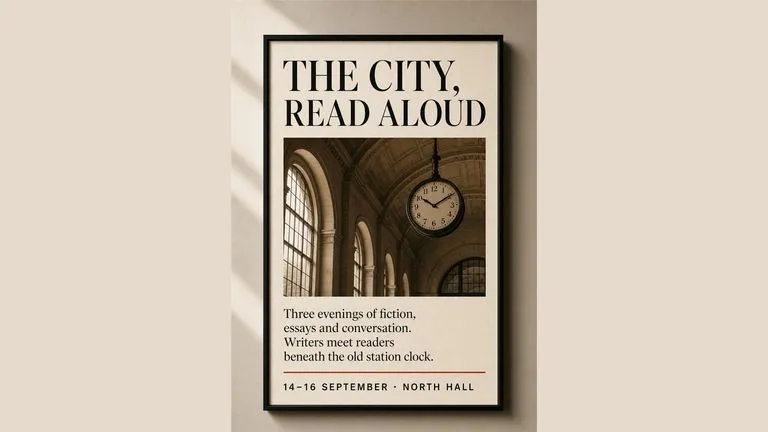
Preserve sharp crater rims, ring particle gaps, and subtle cloud layer depth across high-resolution renders.
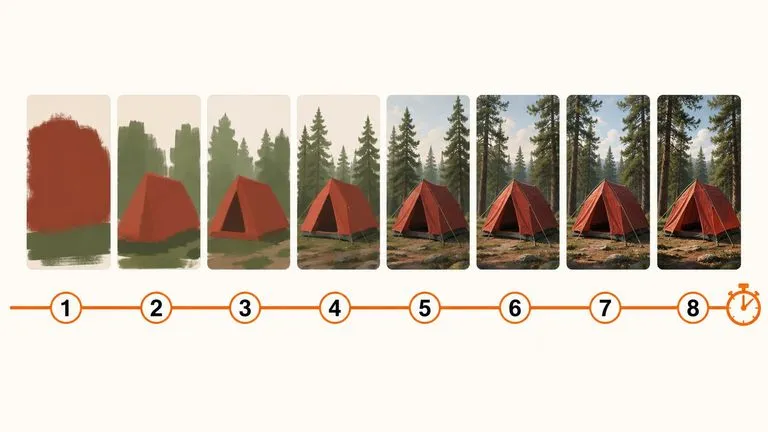
Test rapid orbital lighting angles and biome color schemes at low compute cost before final rendering.
Describe your world's geology, cloud bands, and ring geometry on the Virse canvas to build a cohesive gallery of fictional planets.