
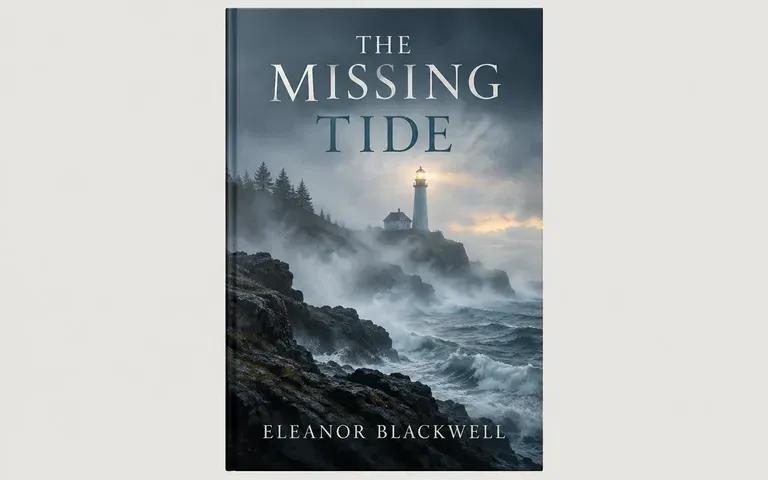
Translate Genre and Mood into Imagery
Describe the story's atmosphere without summarizing every plot point. A strong central image can be easier to read than a collage of unrelated scenes.
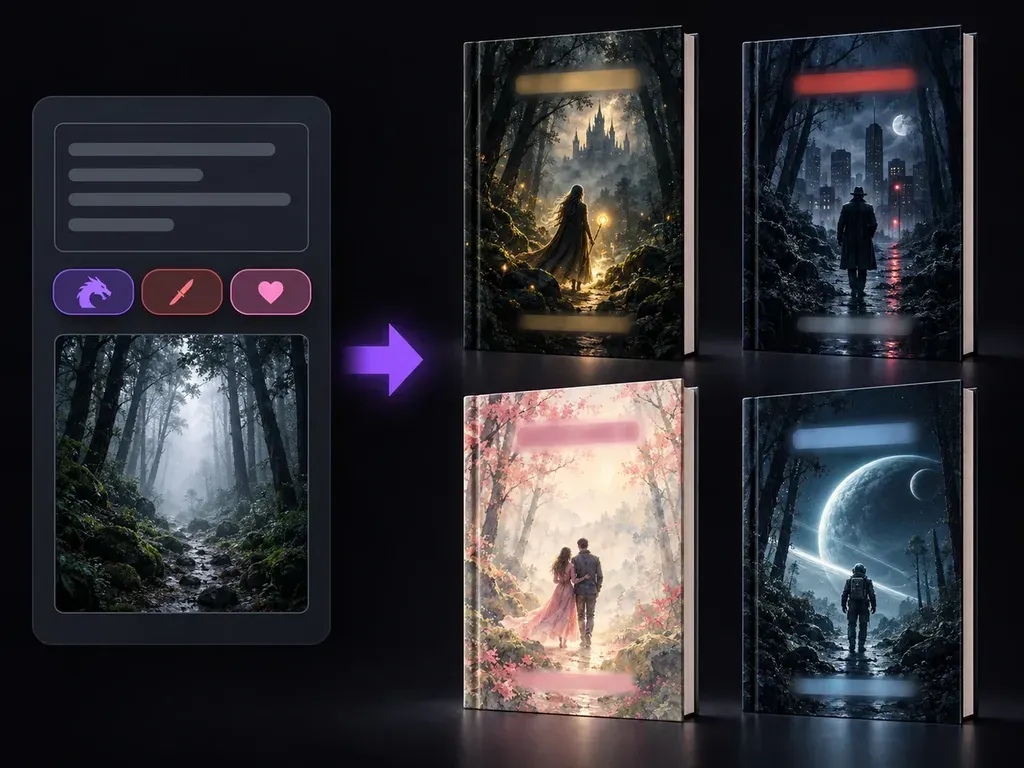
A cover needs to suggest the kind of story inside before a reader opens it. Give Virse the title, author name, genre and a short description of the mood. Compare front-cover concepts for imagery and composition, then refine the exact typography and publishing files in your finishing workflow.
An AI book cover generator creates a front-cover image from a publishing brief. Virse helps explore genre cues, imagery and title placement. The concept still needs exact typography and format checks before it becomes a finished publication asset.
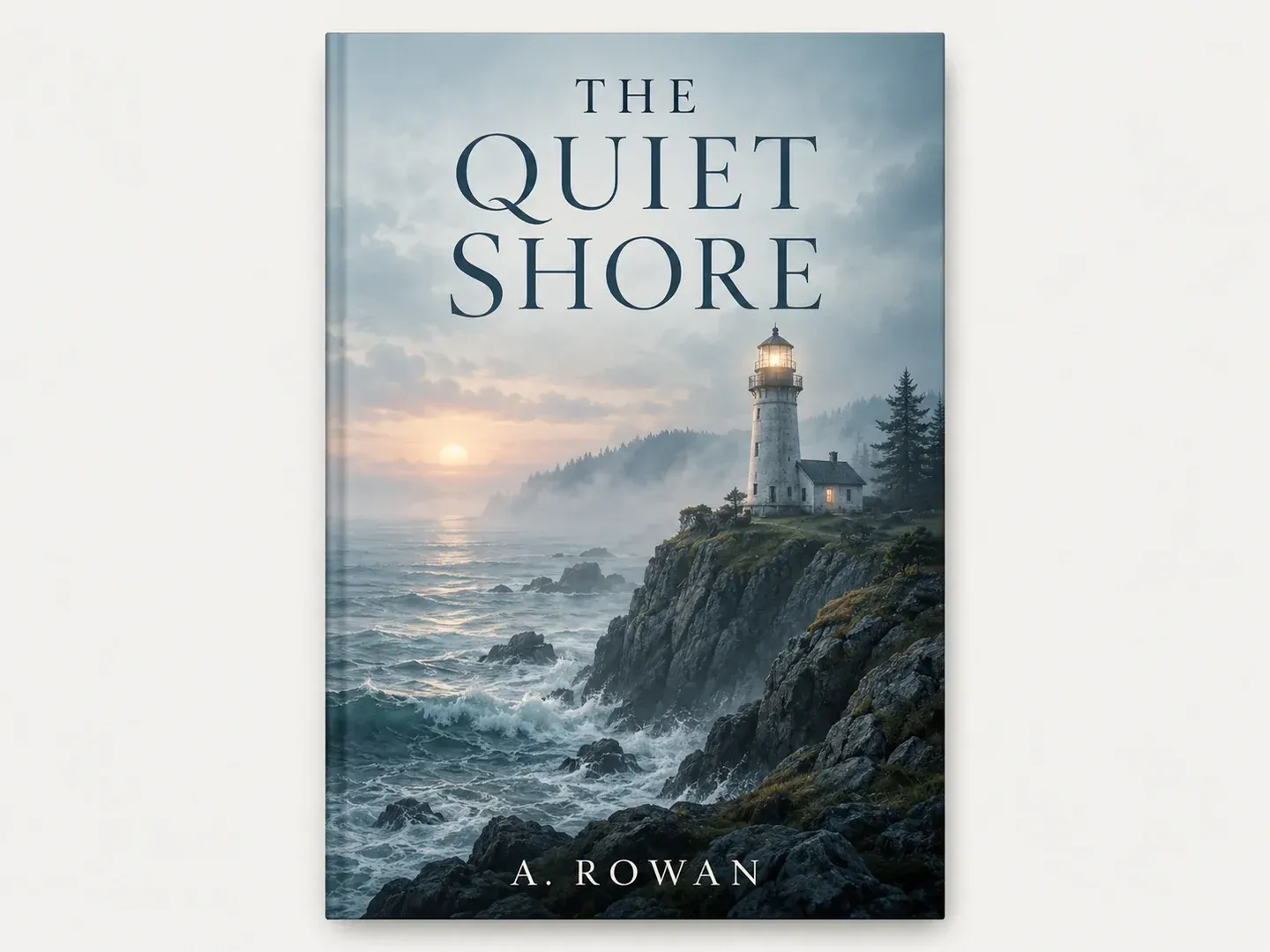
Start with the promise the cover should make to the reader. Choose a clear mood and a small number of visual elements that support it.
Describe the story's atmosphere without summarizing every plot point. A strong central image can be easier to read than a collage of unrelated scenes.

Explain how prominent the title should feel relative to the image and author name. Inspect generated words carefully before treating the composition as final.

Keep cover concepts together on your canvas and review their broad shapes. A direction that works large may become unclear in a small listing image.
Provide the title, author, genre and a concise mood or story description. Verify the exact wording before generation.
Name the central image, palette and overall treatment. Use an original or authorized reference if it clarifies the style.
Continue in Virse and compare the imagery and hierarchy. Check the title and author name letter by letter.
Set exact typography and create the required files in your publishing workflow. Confirm dimensions and any print requirements before release.
Front-cover concepts help authors and designers agree on a visual direction before the final publishing artwork is prepared.

Explore how the book's genre and mood could appear on the cover. Use the concepts to discuss a direction rather than skipping final design checks.

Develop several visual approaches from the same brief. Refine the chosen image and typography in the final artwork.

Compare cover directions within a catalog. Check that the selected design fits the book and remains distinct from other titles.
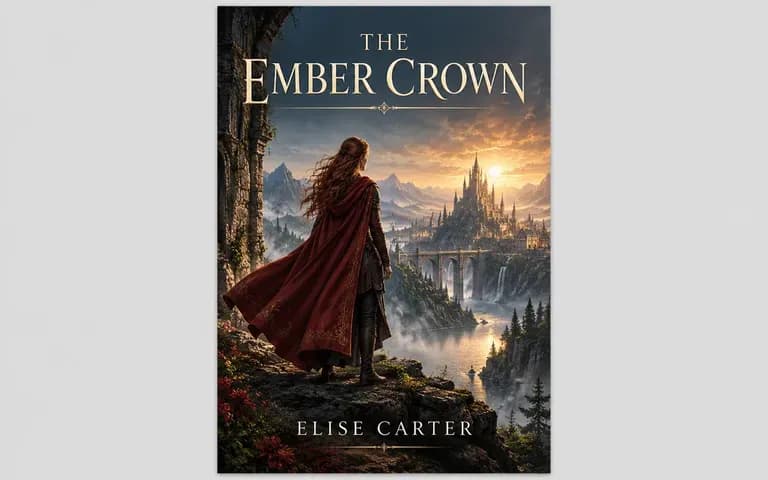
Give a project a provisional visual identity. Make clear that the cover is a concept while the title and publication plan develop.
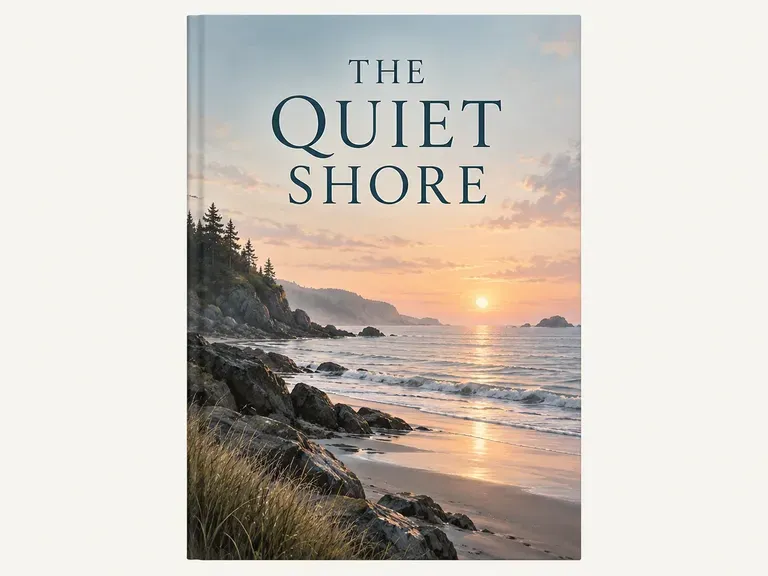


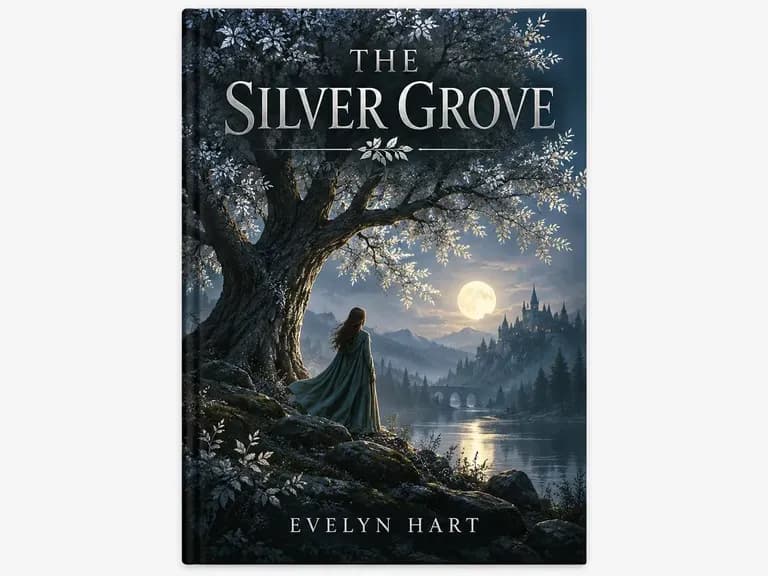


Share the title, genre and mood. Compare the front-cover concepts, then finish the chosen direction with exact typography and the required publication files.