Surface medium
Impasto, Collage, and Fluid Media Control
Direct brush ridge thickness, raw canvas weave, torn paper edges, or wet-on-wet ink diffusion using plain studio terminology.
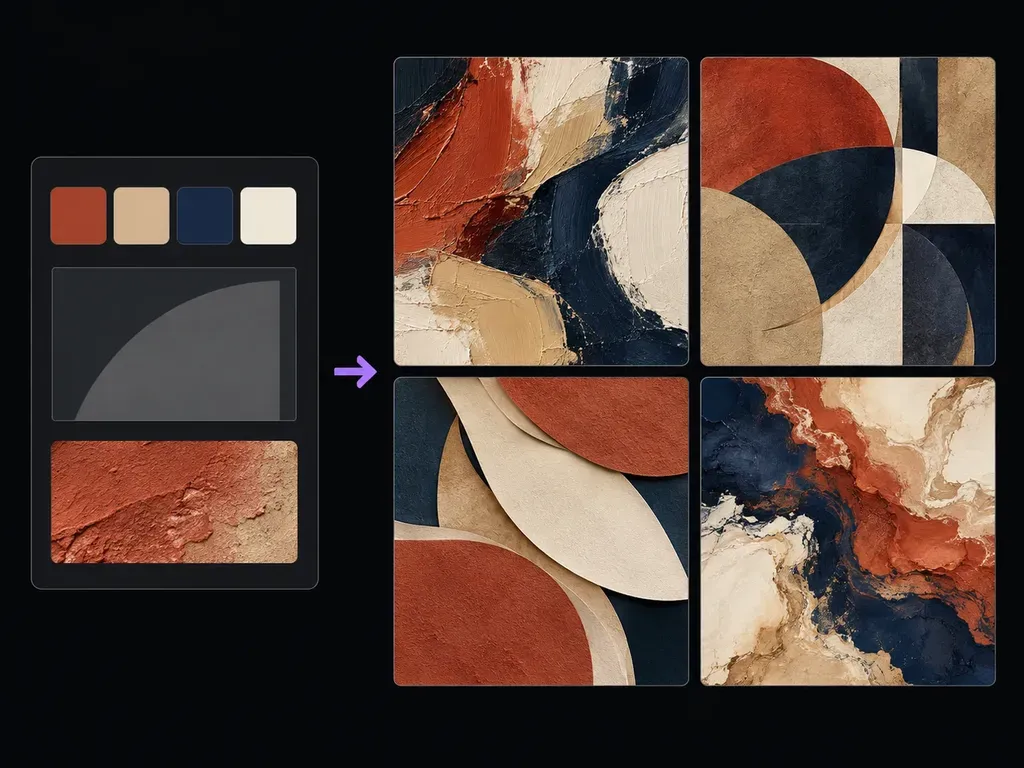
Define your color palette, shape rhythm, composition balance, surface medium, and emotional tone in a written brief, or attach an optional color swatch or style reference. With this AI abstract art generator, interior stylists and visual designers can produce non-representational impasto canvases, layered geometric arcs, paper-cut collages, and fluid ink studies on the Virse workspace.
An AI abstract art generator (also used as an abstract painting generator) converts written notes about pigment, geometry, surface grain, and compositional weight into a flat 2D non-representational artwork without depicting literal people, places, or objects.
Typing a bare prompt like "abstract art" frequently yields harsh neon rainbow swirls or accidental hidden faces and trees inside the brushstrokes. Anchoring your written brief around three physical art elements keeps the canvas purely non-representational and gallery-ready:
• Tangible medium and surface grain: Name heavy palette-knife oil impasto, raw unprimed linen, deckle-edge handmade paper collage, mineral gouache on plaster, or alcohol ink wash on Yupo paper so the surface carries believable physical depth.
• Shape vocabulary and compositional balance: Choose between expansive horizontal color fields, interlocking mid-century geometric arcs, bold diagonal charcoal sweeps, or organic biomorphic cutouts with generous negative space.
• Restrained color harmony and mood: Specify an intentional three-to-four-color chord such as terracotta, ochre, charcoal, and bone white, and add "non-representational, no recognizable figures or objects" to prevent literal imagery.
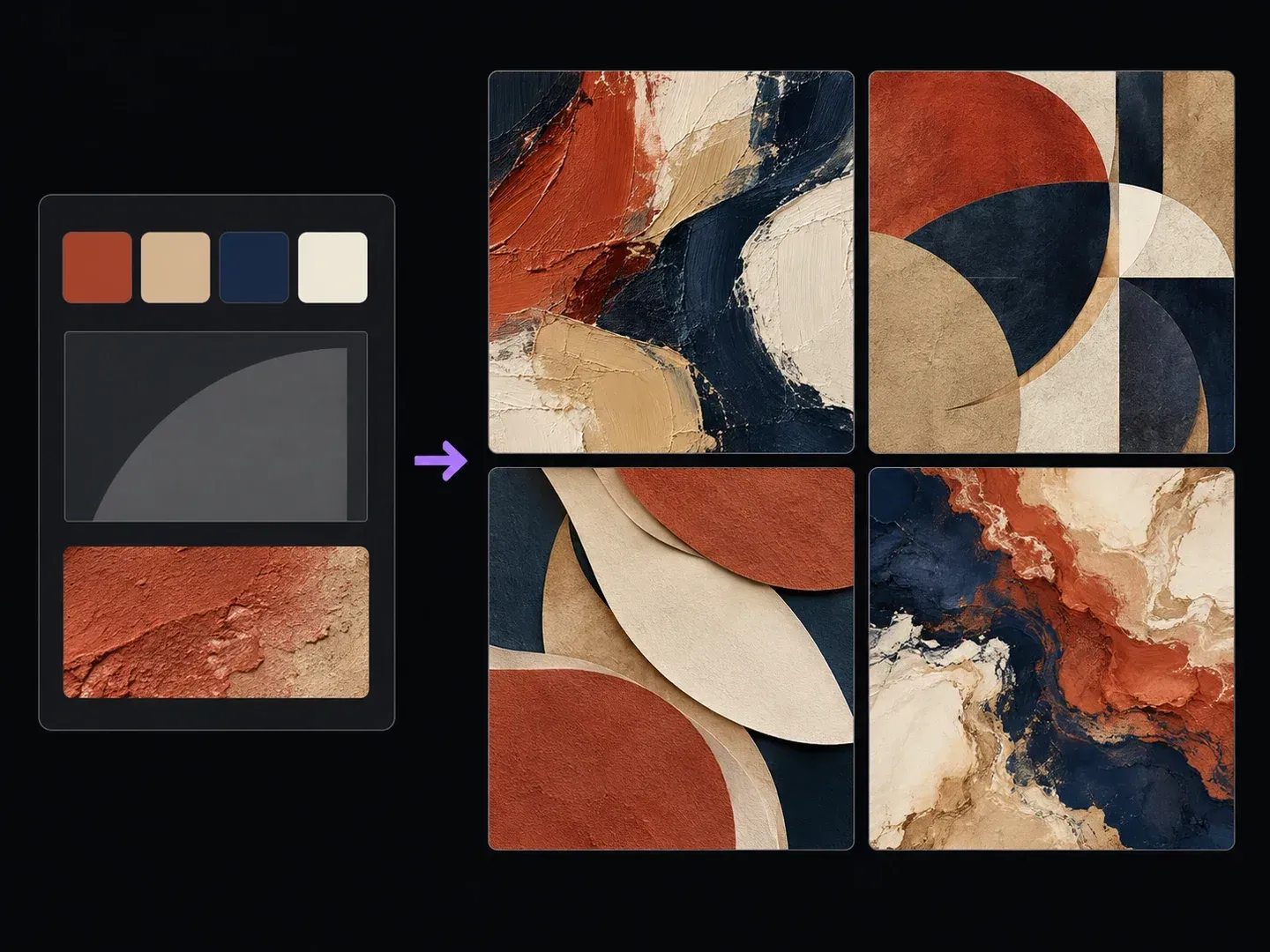
Why interior designers, brand directors, and print curators rely on this geometric abstract art generator for cohesive visual studies.
Direct brush ridge thickness, raw canvas weave, torn paper edges, or wet-on-wet ink diffusion using plain studio terminology.
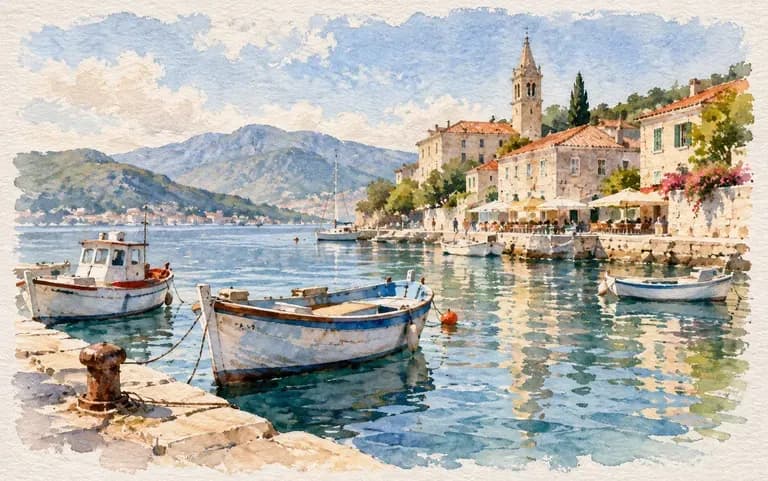
Focus strictly on color interaction, line tension, and negative space without unwanted portraits, buildings, or text creeping into the frame.
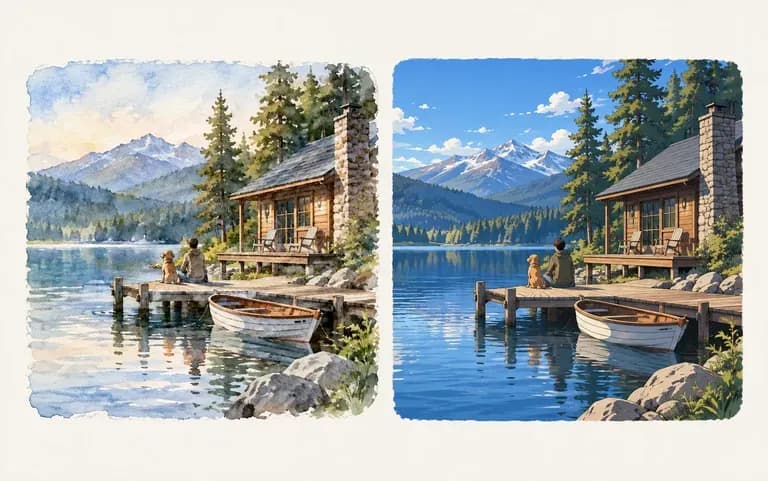
Develop two-piece diptychs, three-panel wall triptychs, or four-part brand color explorations side by side on the shared Virse canvas.
How material and palette direction in a non-representational art generator outperforms one-word abstract prompts.
Generic One-Word "Abstract" Prompts
Virse AI Abstract Art Generator
To generate abstract art from text notes, pick three to five pigment tones alongside the quiet or dynamic mood the canvas should carry.
Describe the form language (such as overlapping arcs, gestural sweeps, or color blocks) alongside the physical medium like impasto acrylic or paper collage.
Drop in a fabric sample, room photo, or color card only when you want the artwork to echo an existing interior or brand palette.
Produce your flat abstract artwork and verify that compositional weight, surface texture, and negative space feel balanced across the frame.
Pairing a specific studio medium with a restrained color chord and "non-representational" keeps abstract compositions sophisticated. Below are three non-literal art recipes built around impasto, printmaking, and ink:
• Palette-knife impasto color field: "Non-representational abstract painting on heavy unprimed linen canvas, thick sculptural palette-knife impasto strokes in burnt terracotta, warm raw sienna, chalky ivory, and deep charcoal grey, horizontal color-field balance with visible bristle ridges, gallery lighting, no recognizable objects or text."
• Mid-century geometric arc study: "Clean geometric abstract composition inspired by mid-century modernist printmaking, interlocking half-circles, vertical bars, and offset quarter-arcs in muted cobalt blue, warm mustard yellow, matte black, and soft cream, subtle screenprint ink texture on heavy cotton paper."
• Fluid sumi ink and gold leaf movement: "Minimalist non-representational abstract artwork on textured handmade washi paper, sweeping organic washes of diluted sumi black and slate-indigo ink bleeding softly into wet paper fibers, accented by a single delicate seam of warm gold leaf, serene meditative mood."
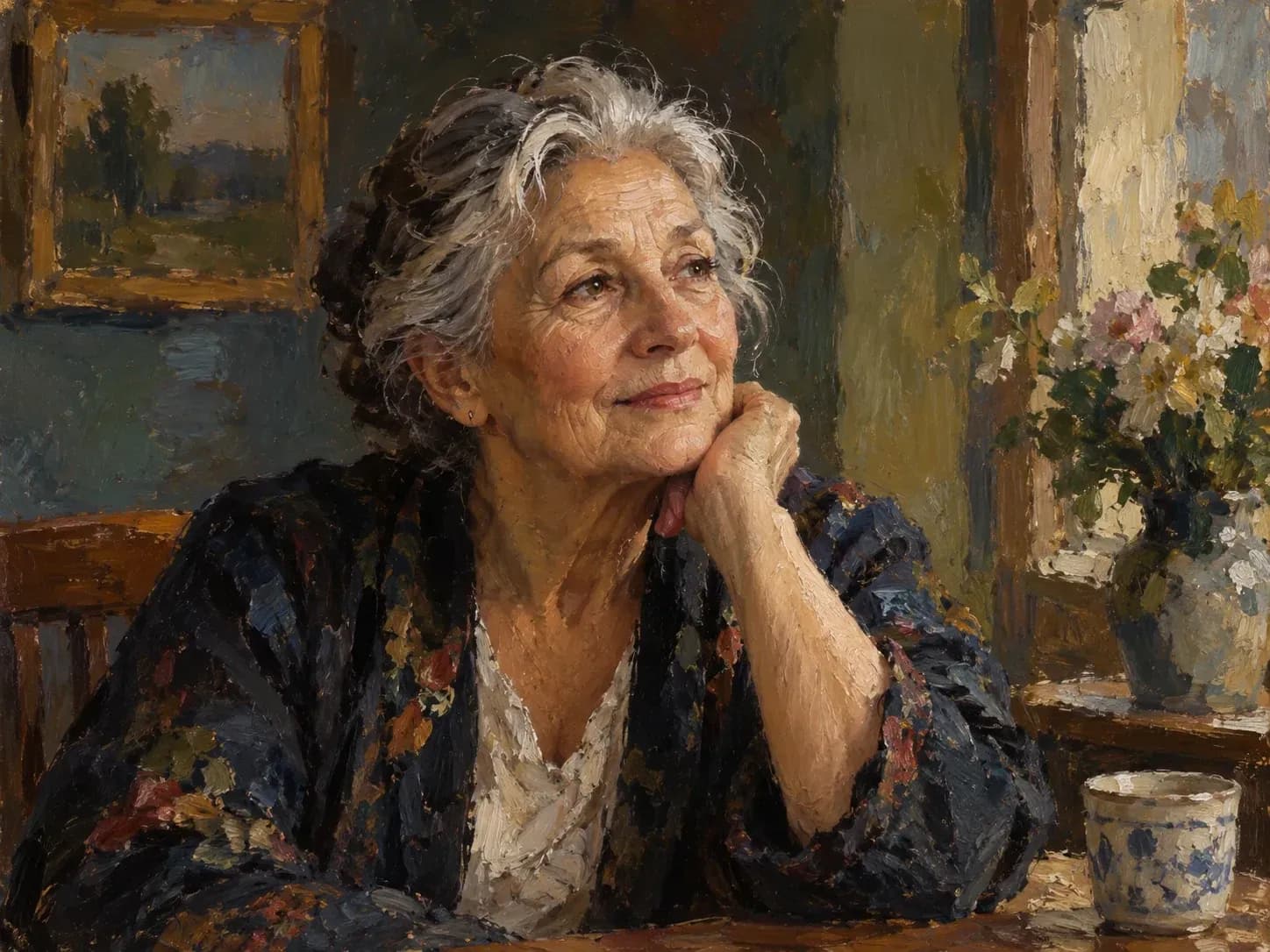
How interior stylists, packaging teams, music designers, and digital creators put a textured abstract wall art generator to work.
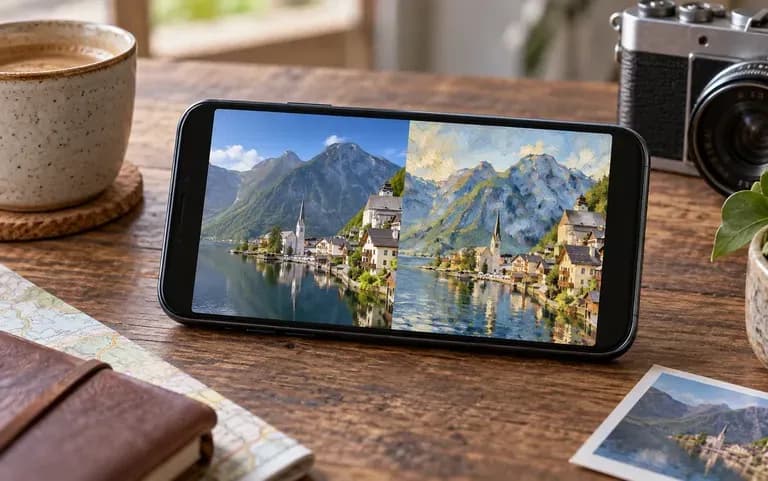
Create custom-colored diptychs and large-scale color-field prints that match the exact sofa upholstery, rug tone, and wood finish of a staged room.
Develop distinctive non-literal background textures, paper-cut shapes, and color stories for cosmetic boxes, coffee bags, and lookbooks.
Generate expressive impasto or fluid-ink cover visuals for instrumental playlists, poetry collections, and literary fiction jackets.
Produce clean vertical and widescreen abstract backdrops that give presentation slides and device screens visual texture without distracting clutter.
Six static non-representational abstract artworks spanning impasto oil, geometric screenprint, paper collage, fluid ink, plaster relief, and charcoal study.
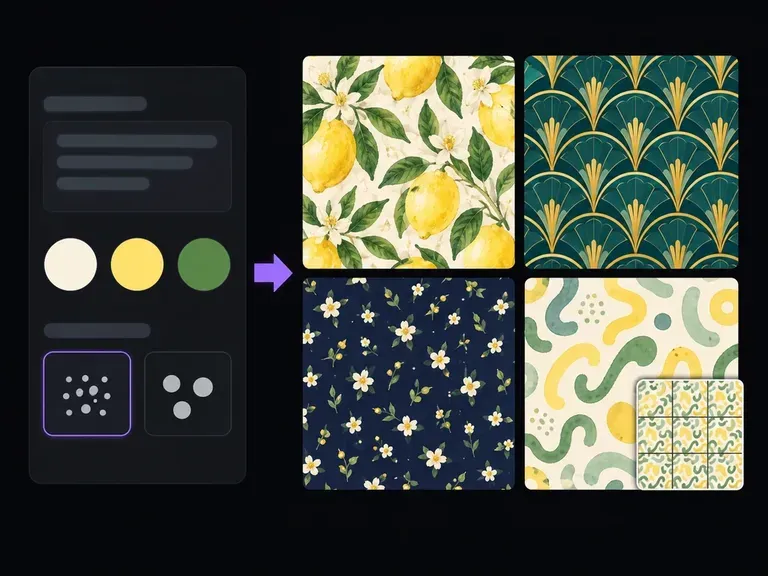
Need an edge-to-edge repeating tile for fabric or wallpaper instead of a standalone abstract painting? Use our tile tool.
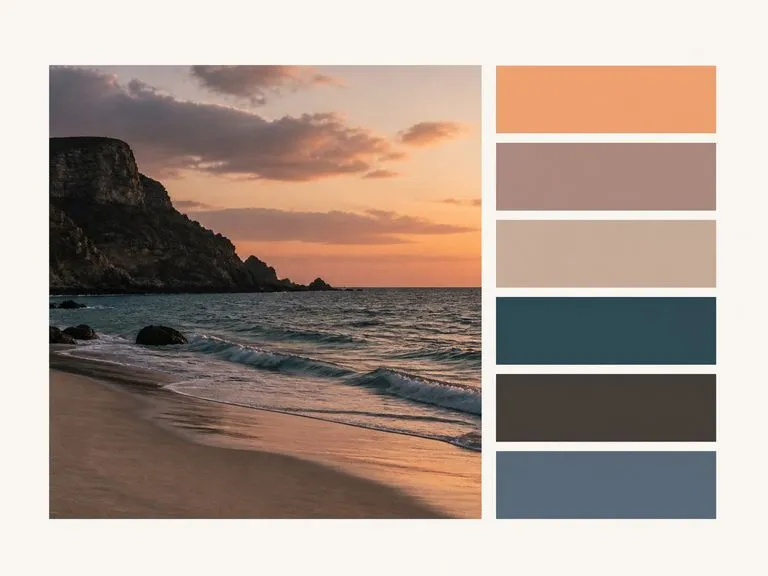
Pull a precise hex color scheme from a room photo or fabric sample before writing your abstract art prompt.
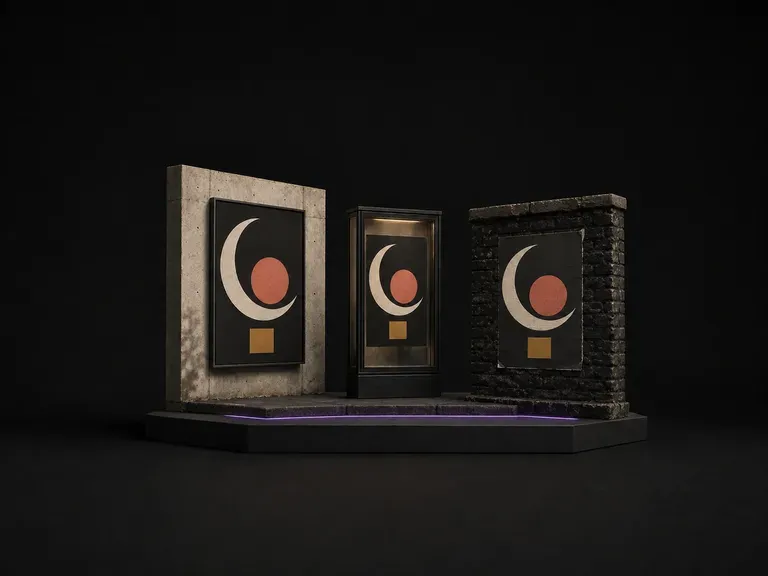
Preview how your generated impasto or geometric artwork looks framed on a sunlit gallery or living room wall.
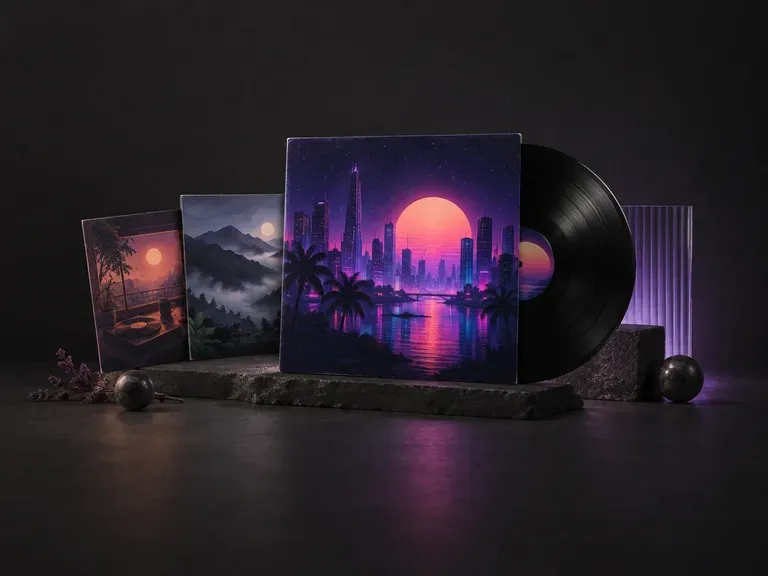
Turn your non-representational ink or brushwork study into a square music release cover layout.
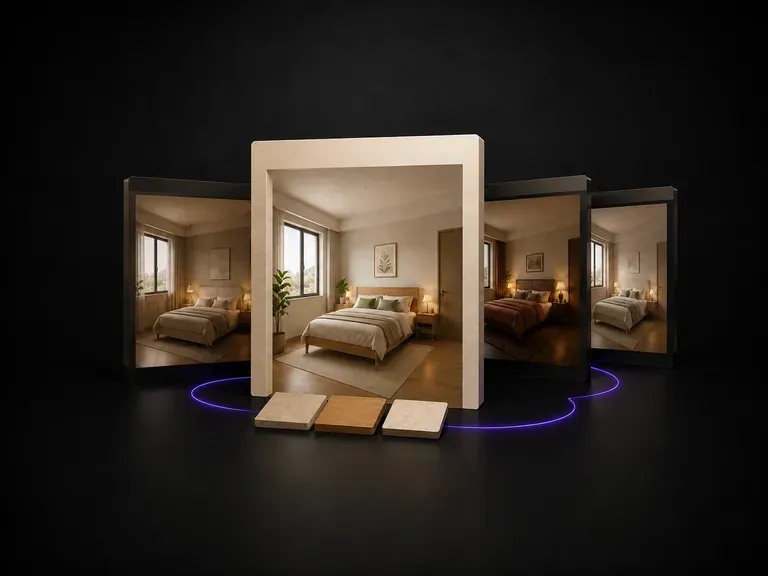
Test how different abstract wall canvases coordinate with bedding, lighting, and furniture in an interior concept.
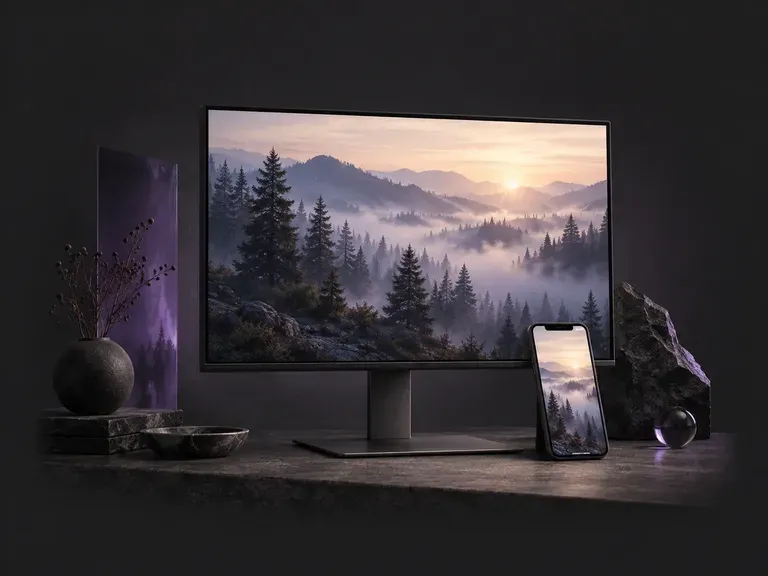
Format fluid gradients, geometric shapes, and textured color fields for desktop and mobile displays.
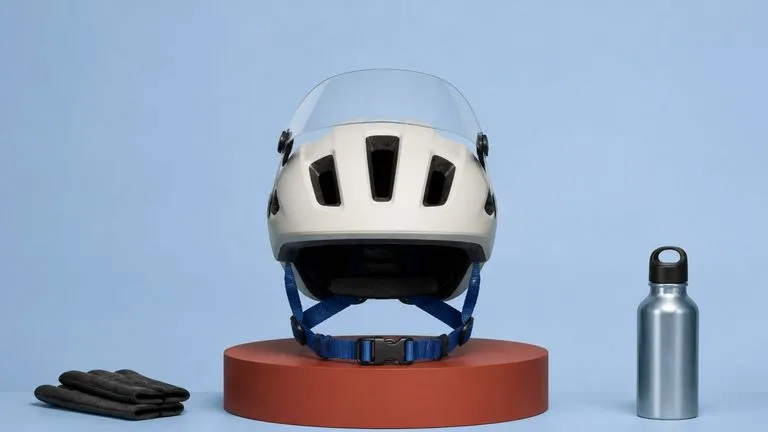
Render convincing palette-knife paint ridges, unprimed linen fibers, and raking studio light across textured surfaces.

Produce lyrical watercolor washes, expressive gouache color fields, and organic biomorphic compositions.
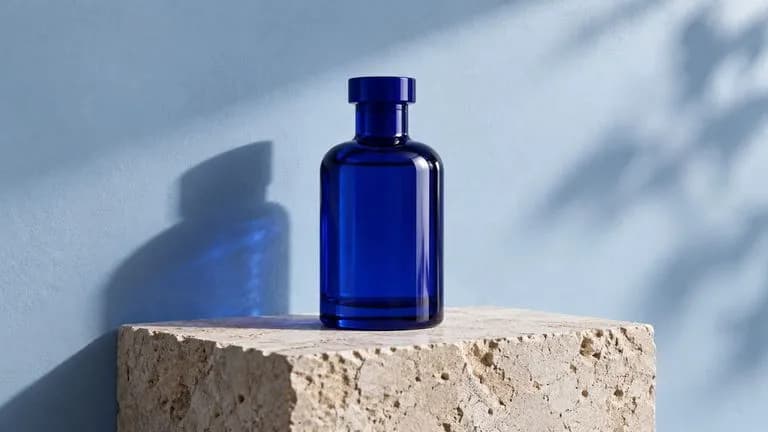
Pair a room color swatch or fabric reference photo with medium notes up to 4K canvas resolution.

Follow structured non-representational prompts specifying exact color ratios, geometric balance, and zero literal objects.
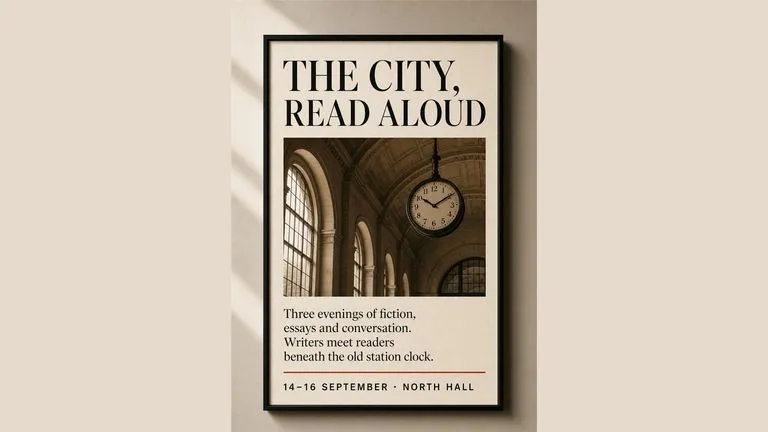
Keep crisp geometric arc edges, deckle-paper tears, and fine charcoal grain sharp across large aspect ratios.
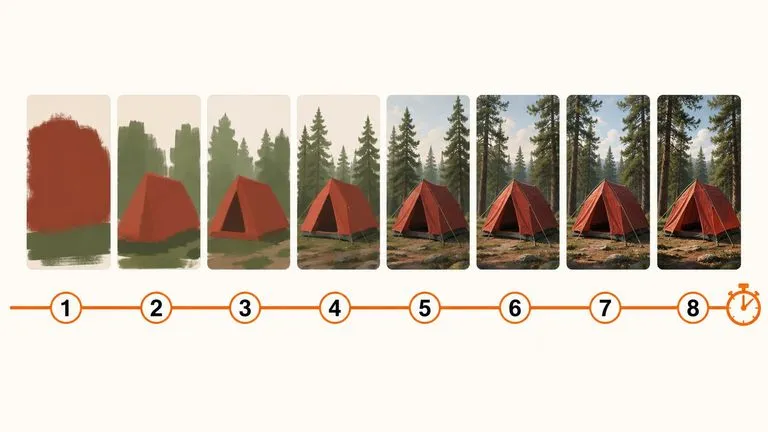
Audition terracotta, cobalt, and sage pigment chords in seconds at low unit cost before full-resolution rendering.
Combine pigment chords, geometric arcs, and tactile studio textures on the Virse canvas to produce original non-representational artwork.