Design System Builder

Design System Builder

A brand guideline that never specifies what a form field looks like leaves every screen to invent its own. Upload what you have, formal rules or actual screens, list the components you need, and get a visual draft back that turns those rules into something concrete a team can build from. Free credits are enough to see a first pass.

입력
Brand spec / product description · 필수Existing UI screens · 선택Components to cover · 선택
출력
设计系统规范草案板 × 1

Existing UI screens선택

이미지는 캔버스에서 업로드합니다. 여기서는 설정만 입력합니다.

What Is an AI Design System Generator?

An AI design system generator turns brand guidelines and existing screens into a visual draft covering colour, type, spacing and common components. In Virse you upload what you have, describe the components you need, and refine the draft into a reference your product team can follow.

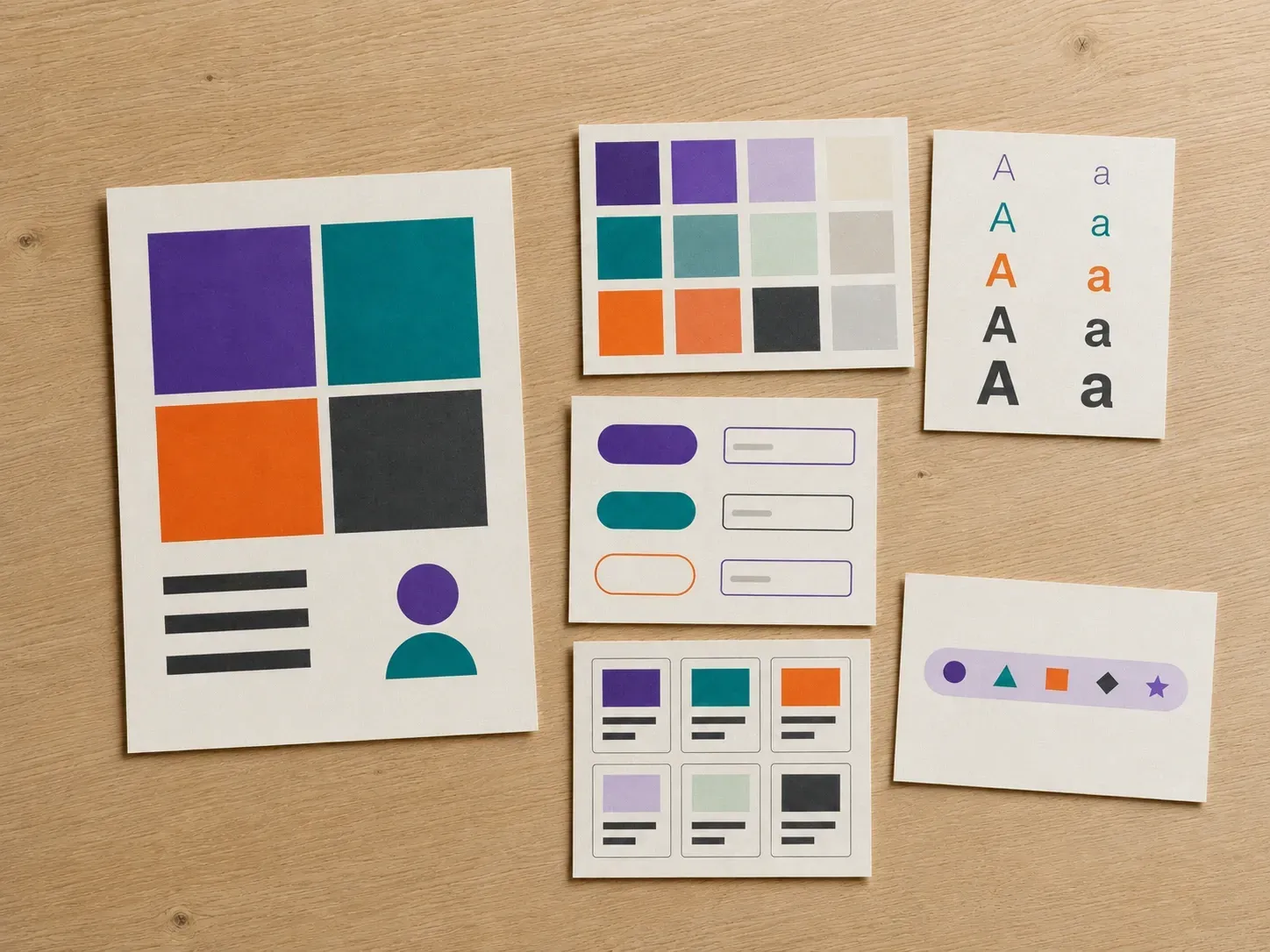
A brand guideline document beside a set of printed component cards it produced
Brand guidelines turned into a component visual draft

Why Use Virse's Design System Generator?

A design system exists so nobody has to reinvent a button. A clear visual starting point is what gets teams there faster.

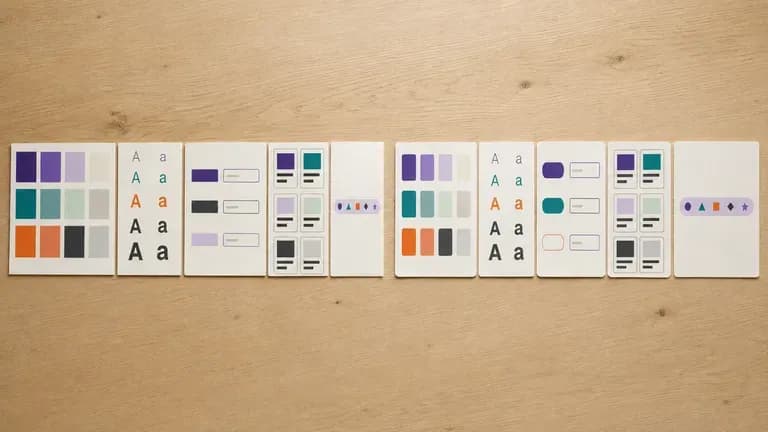
A freshly generated batch of component cards in a consistent colour and shape system
Free

Start with Free Generations

Try your first design system draft on Virse credits. New users can generate up to 10 images, enough to see whether the direction fits before committing a full documentation effort to it.

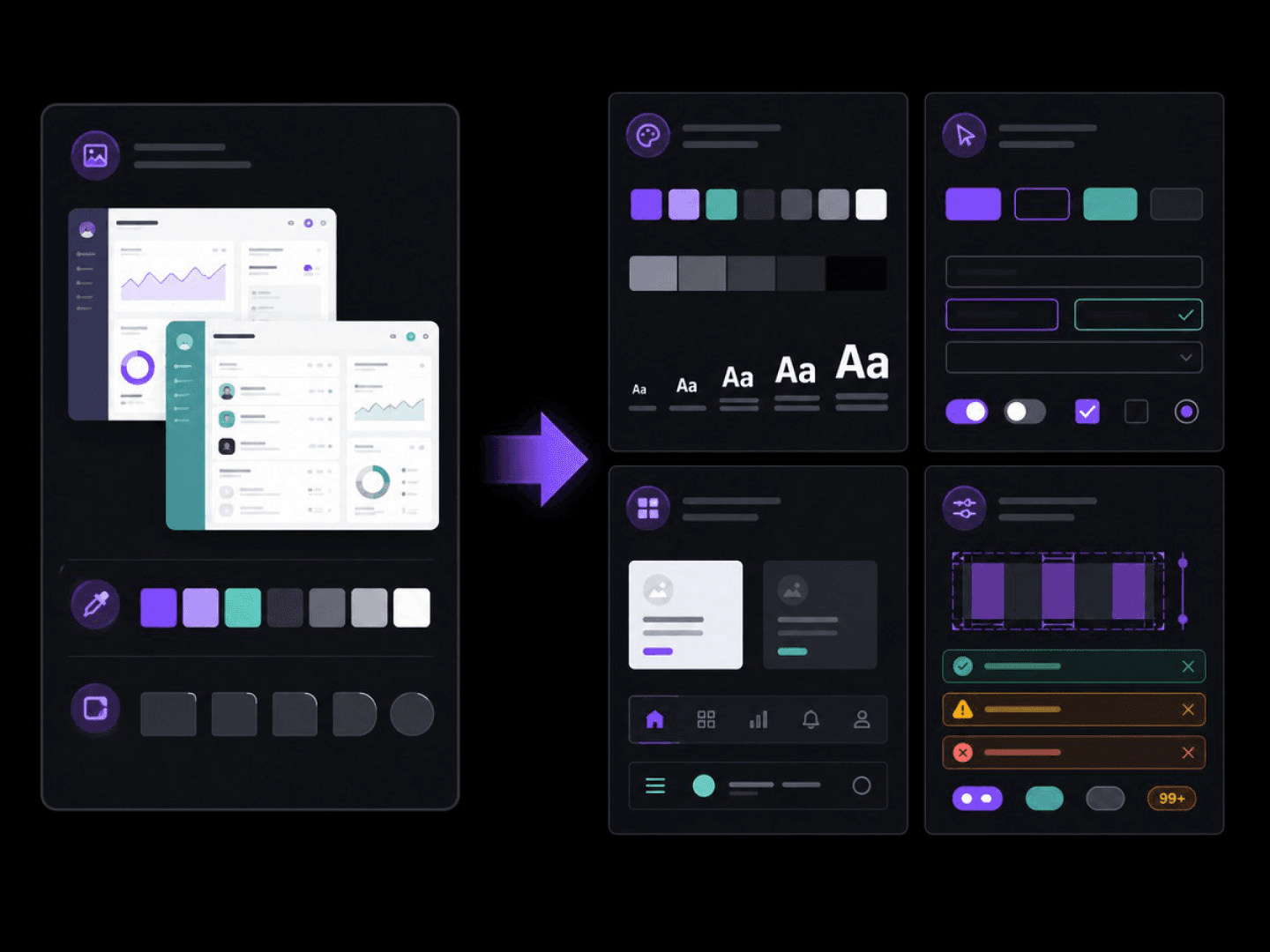
Two component card sets from the same guidelines with different corner and colour styles
40+ models

Explore with Multiple AI Models

Virse brings 40+ AI models into one environment, and paid plans include unlimited model usage. You can see how different models translate the same brand rules into component styling without rebuilding your brief for each one.
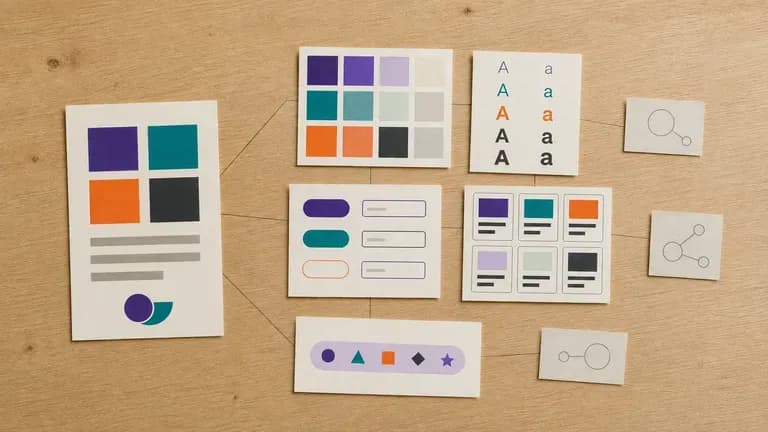
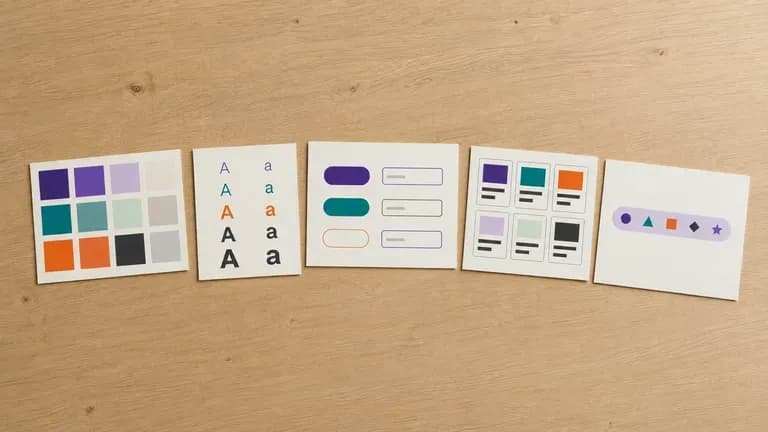
A complete component card set surrounded by a brand document and handwritten notes
Canvas

Compare Directions on One Canvas

Guidelines, screens, generated drafts and alternative directions stay together on an infinite canvas. Virse keeps the brand context available, so the next component page builds on the direction already picked.

How to Generate a Design System with AI in Four Steps

  1. Upload guidelines or existing screens

    Add your brand guidelines, or screens from a product that already exists, so the generator has something concrete to work from.

  2. List the components you need

    Describe the component types to cover, such as buttons, form fields, cards or navigation, so the draft matches your actual product surface.

  3. Generate the visual draft

    Run an available AI image model and let it produce a draft covering colour, type, spacing and the components you listed.

  4. Refine into a reference

    Adjust the pieces that need work, then keep the draft on the canvas as the visual reference your product and engineering teams build from.

Who Is an AI Design System Generator For?

Teams that need a shared visual language before more screens get built.
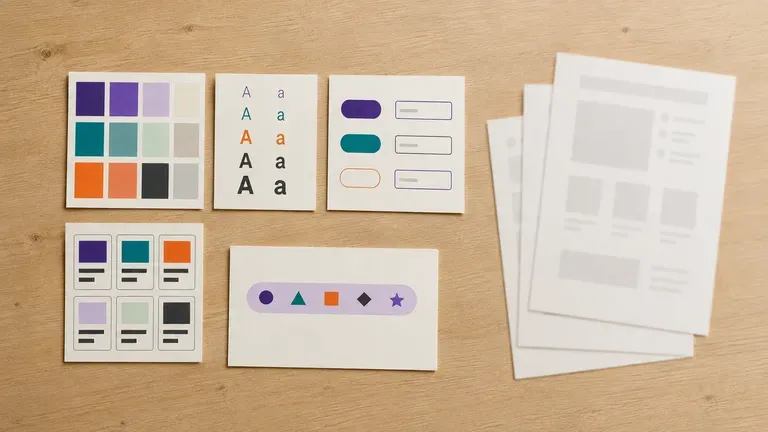
A product designer's desk with component cards beside a stack of blurred interface sketches

Product Designers

Turn brand rules into a component draft before formalising a full design system in a design tool.
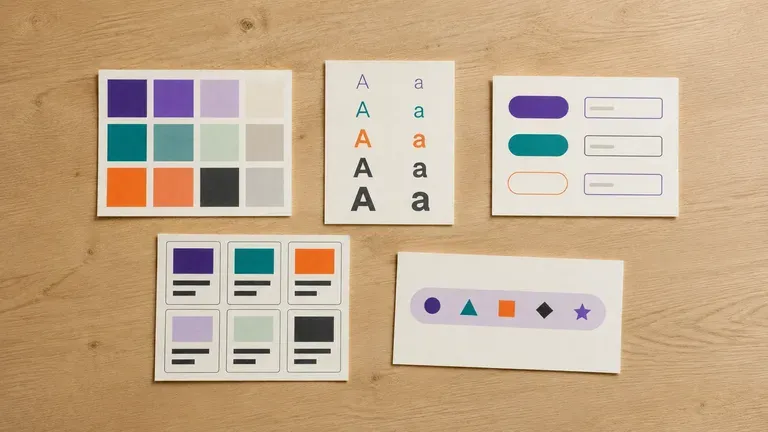
A small team's desk with component cards simply laid out, no dedicated systems team feel

Startup & Small Product Teams

Get a starting visual system without a dedicated design systems team.
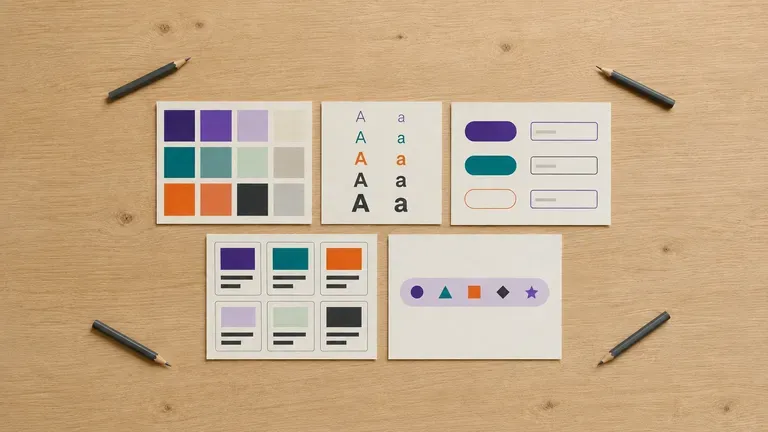
Component cards spread across a meeting table for design and engineering to discuss

Design & Engineering Leads

Align a growing team around a shared visual language before inconsistency sets in.
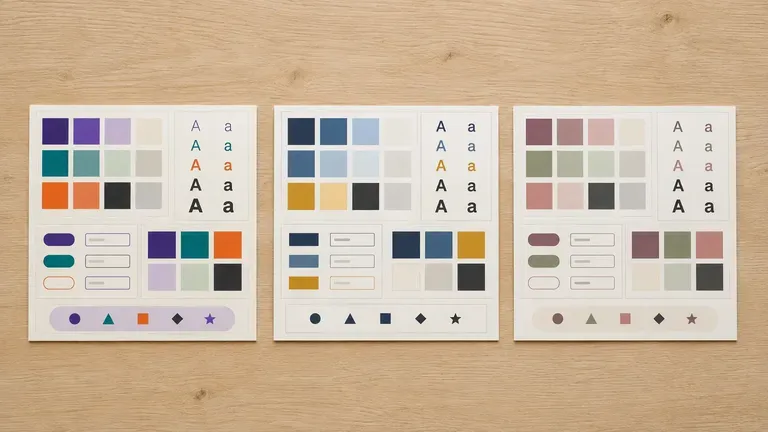
Several client component card sets displayed side by side in an agency meeting room

Agencies Building Client Products

Produce a starting design system for a client product before the full build phase.
AI Design System Generator Use Cases

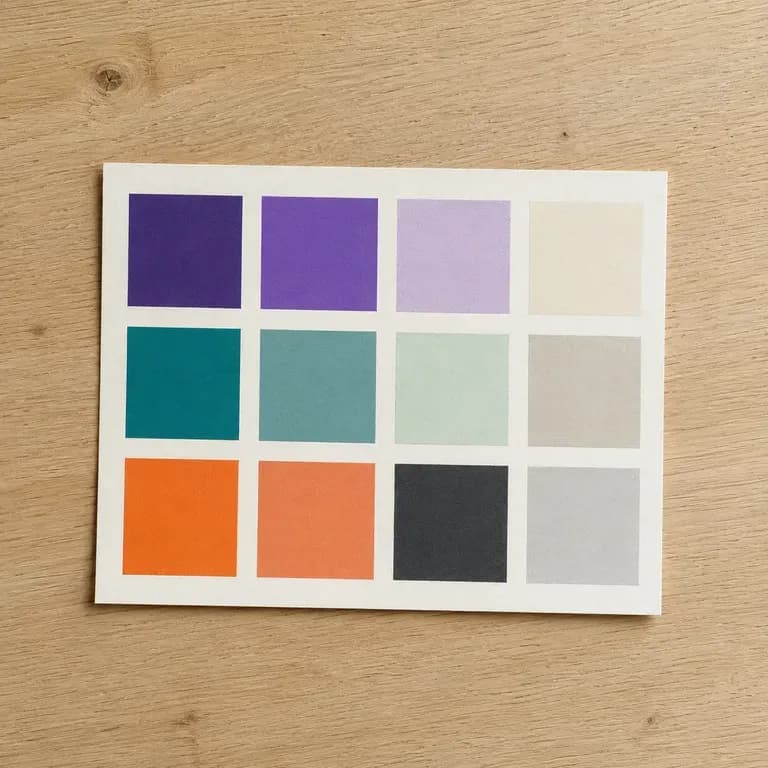
A colour system card with primary and neutral colours arranged in a grid
Colour Token Drafts: primary, secondary and neutral colours shown as a system
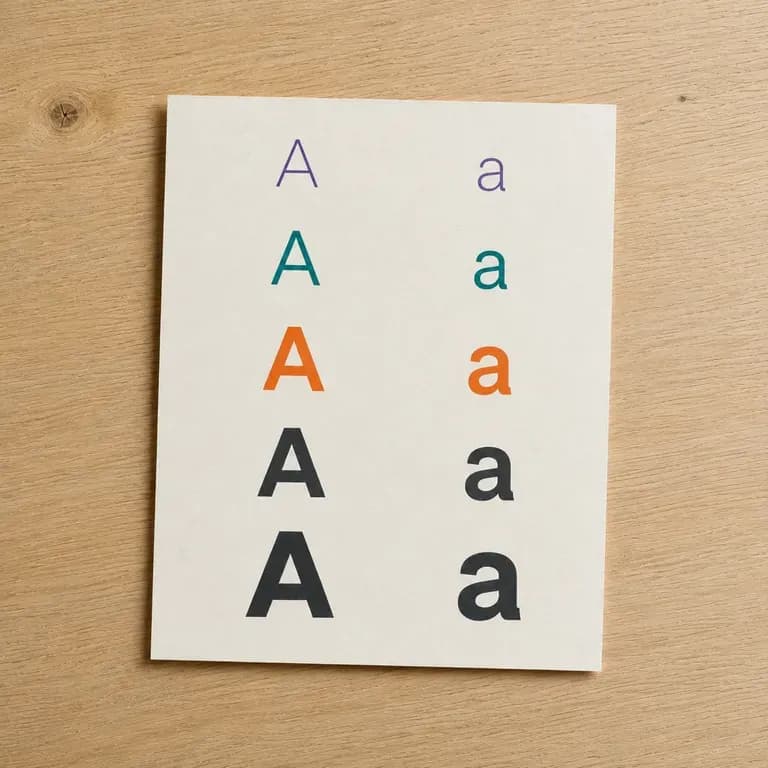
A type scale card with letterforms shown across several sizes
Typography Scale Drafts: heading and body type shown across a size range
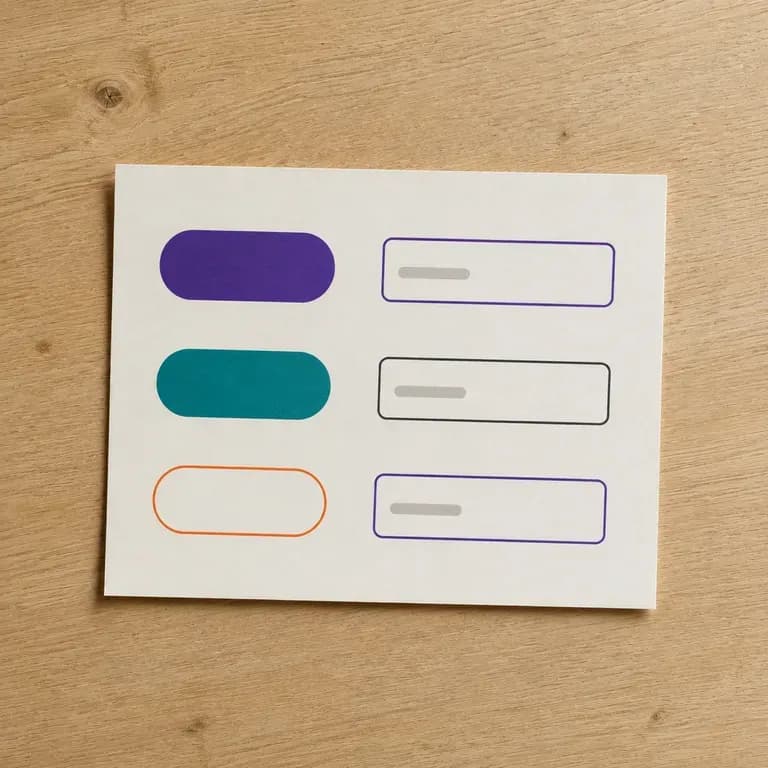
A button and form component card with a few states shown side by side
Button & Form Component Drafts: interactive elements shown in their common states
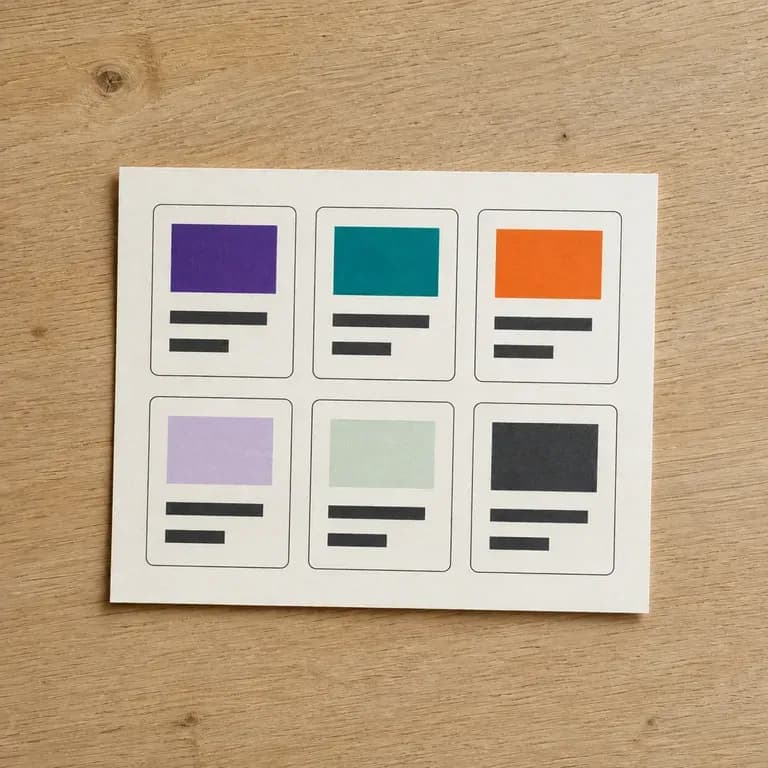
A card and grid layout component card
Card & Layout Component Drafts: content containers shown in a grid system
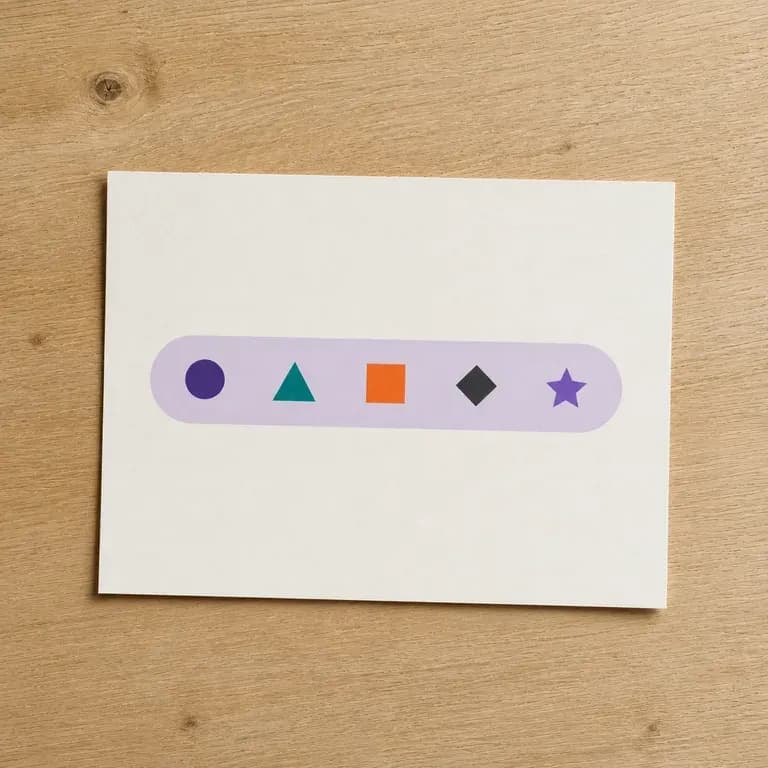
A navigation component card with bar and icon shapes arranged together
Navigation Component Drafts: menus and navigation patterns shown together
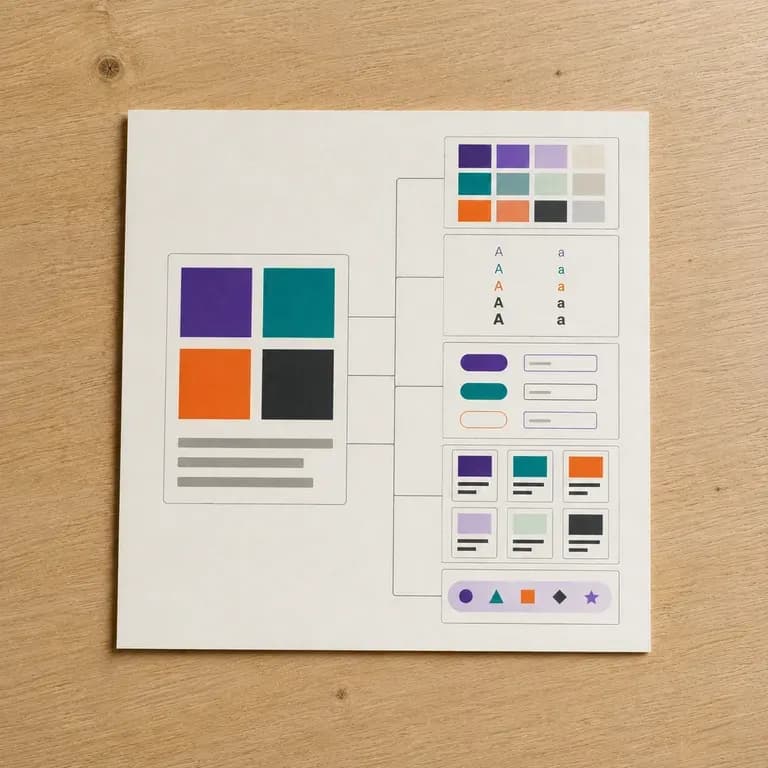
A brand guideline document placed beside its component card translation
Guideline-to-System Comparisons: brand rules shown beside their component translation
FAQ

Frequently Asked Questions

Is Virse's design system generator free?
You can start on free Virse credits. New users can generate up to 10 images with Nano Banana 2, enough to test a draft before deciding whether you need a paid workflow. Free access is limited rather than unlimited.
Does this generate design tokens or code I can use directly?
No. It generates a visual draft covering colour, type, spacing and components. It does not output usable design tokens, CSS or component code. A design or engineering team still builds the implementation.
Can I start from screens I already have instead of formal guidelines?
Yes. Upload existing screens and the generator can work from the patterns already visible in them rather than requiring a formal guideline document first.
Can I generate more than one visual direction?
Yes. You can run a few drafts from the same guidelines and compare them side by side on the canvas before choosing one to formalise.
Will it cover every component type my product needs?
Only the ones you describe. List the component types you need in your notes, such as buttons, forms, cards or navigation, so the draft matches your actual product.
What do Virse paid plans include?
Paid plans include access to 40+ AI models with unlimited model usage and unlimited team seats, aimed at product teams maintaining a design system over time.

Generate Your Design System Draft with AI

Upload your brand guidelines or existing screens, generate a component draft, and refine it into the reference your team builds from.