What Is Art Direction? Definition, Examples, and How to Create an Art Direction
 Yifan Zhao8 分钟阅读 ·
Art direction is the process of defining, guiding, and maintaining the overall visual direction of a creative project so that every design decision supports a specific goal, audience, and brand identity. Unlike graphic design, which focuses on creating individual visual assets, art direction focuses on deciding what those assets should communicate and how they should work together.
Many designers understand how to create attractive visuals but struggle with the larger question: Why should this design look and feel this way? That gap often becomes clearer when teams move from isolated execution toward a structured design workflow from brief to delivery or begin organizing references through moodboards.
Through analyzing professional design workflows and studying how experienced creative teams approach visual decisions, one clear pattern emerges: the difference between a designer and an art director is not simply skill level. It is the ability to establish a creative direction, evaluate design choices against broader goals, and guide different contributors toward a consistent visual outcome. This same responsibility becomes increasingly important in AI-assisted creative workflows, where someone still needs to define and protect the intended visual direction.
In this guide, I will explain what art direction is, what art directors actually do, how art direction differs from graphic design and creative direction, and how designers can develop the strategic thinking needed to move from execution toward visual leadership.
What Is Art Direction in Design?
Art direction is the process of making creative decisions that define the visual language, style, mood, and communication goals of a project.
An art direction process answers questions such as:
- What should this brand feel like?
- What visual style fits the audience?
- Which creative approach supports the project goal?
- How should different design outputs feel connected?
Art direction includes decisions about:
- visual style
- composition
- photography direction
- typography approach
- color strategy
- imagery
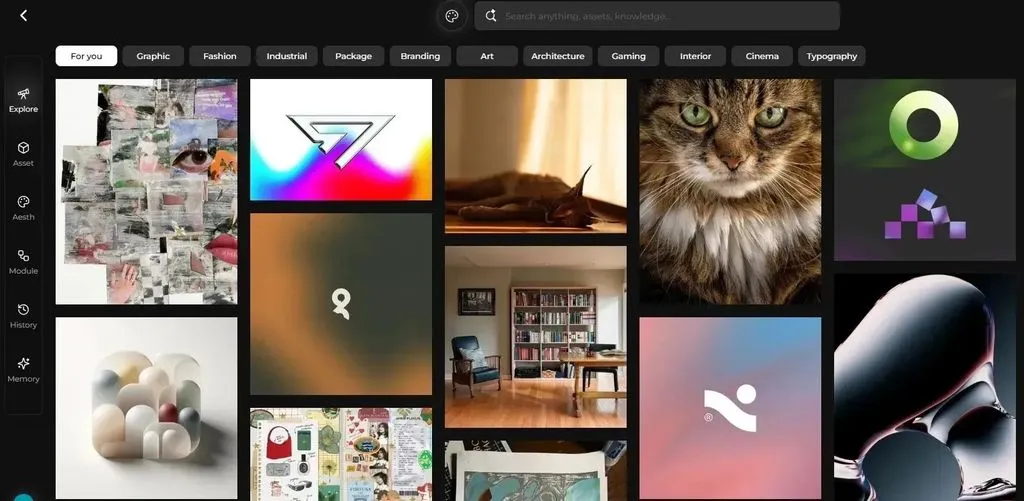
- creative references
- overall aesthetic consistency
For example, a branding project may require:
- logo design
- packaging
- social media graphics
- website visuals
- advertising materials
A graphic designer may create each individual asset.
An art director ensures that all assets communicate the same idea.
The core value of art direction is not producing more designs. It is making sure the designs move in the right direction.
What Does an Art Director Do?
An art director is responsible for defining visual direction, reviewing creative work, and ensuring that design decisions support the project goals.
The exact responsibilities vary between companies, but common responsibilities include:
Defining the Creative Direction
Art directors often begin by interpreting:
- creative briefs
- brand goals
- audience research
- market context
They translate these requirements into a visual direction.
For example:
A fashion campaign may need to feel:
- premium
- experimental
- youthful
The art director determines how photography, typography, and composition should express those qualities.
Reviewing and Guiding Design Work
Art directors provide feedback such as:
- Does this visual communicate the right message?
- Does this concept match the brand?
- Is this direction strong enough?
- Are all assets consistent?
A common misconception is that art directors only approve final designs.
In practice, they often influence the creative process from the beginning.
Creating Alignment Across Teams
Large projects involve many contributors:
- designers
- photographers
- illustrators
- developers
- marketers
- external partners
Without clear art direction, different contributors may create visually disconnected work.
The art director creates a shared creative standard.
Art Director vs Art Direction: What’s the Difference?
These terms are related but not identical.
暂时无法在飞书文档外展示此内容
A project can have strong art direction even when the person responsible does not officially have the title “Art Director.”
For example, a senior designer leading a branding project may perform art direction responsibilities.
Art Director vs Graphic Designer: What Is the Difference?
This is one of the most discussed topics among designers.
The difference is mainly responsibility and scope.
暂时无法在飞书文档外展示此内容
A graphic designer may design:
- posters
- logos
- interfaces
- marketing materials
An art director asks:
- Why should this campaign look this way?
- Does this visual language match the audience?
- Are all outputs consistent?
The transition from designer to art director is not about abandoning design skills.
It is about expanding from:
“I can create good visuals.”
to:
“I can define why these visuals are the right solution.”
Art Director vs Creative Director: What Is the Difference?
These roles are often confused because companies use titles differently.
A common distinction is:
暂时无法在飞书文档外展示此内容
An art director may define the visual language for a campaign.
A creative director may define how that campaign fits into the overall brand strategy.
However, responsibilities vary significantly between organizations.
In smaller companies, one person may perform both roles.
Why Is Art Direction Important?
Art direction matters because creative projects often involve many decisions.
Without direction, teams may produce:
- inconsistent visuals
- unclear messaging
- disconnected experiences
A strong art direction process creates:
Visual Consistency
Multiple assets feel like part of the same system.
For example:
A brand campaign may include:
- website graphics
- advertisements
- social content
- packaging
Art direction ensures these elements share a recognizable identity.
Better Creative Decision-Making
Art direction provides a reason behind design choices.
Instead of:
“We chose this image because it looks good.”
The reasoning becomes:
“We chose this visual style because it communicates the brand’s positioning to this audience.”
Reduced Creative Misalignment
In collaborative teams, different people naturally have different interpretations.
Art direction creates alignment before production begins.
How Do You Become an Art Director?
Becoming an art director requires developing strategic thinking beyond visual execution.
A common career path is:
暂时无法在飞书文档外展示此内容
However, titles vary across companies.
The more important transition is responsibility.
A designer becomes an art director when they begin to:
- define concepts
- explain creative decisions
- guide other designers
- manage visual consistency
- communicate with stakeholders
Essential Skills Every Art Director Needs
1. Creative Concept Development
Art directors need to create ideas, not only execute instructions.
This includes:
- generating concepts
- exploring references
- developing visual narratives
2. Visual Communication
An art director must explain:
- why a direction works
- why another direction does not
- how visuals support goals
Strong communication is as important as visual ability.
3. Brand Strategy Understanding
Art direction requires understanding:
- audience
- positioning
- market context
- brand personality
A beautiful design that communicates the wrong message is not successful art direction.
4. Feedback and Leadership
Art directors often spend significant time:
- reviewing work
- mentoring designers
- improving creative quality
Leadership does not always mean managing employees.
A designer leading the creative direction of a project is already practicing art direction.
How to Develop Your Own Art Direction Style
Developing a personal art direction style is not about creating the same visual style repeatedly.
It is about building the ability to make intentional creative choices.
Study Visual Systems
Analyze:
- advertising campaigns
- branding projects
- editorial design
- product experiences
Ask:
- Why does this work?
- What feeling does it create?
- How do different elements support the concept?
Build Creative References
Professional art directors often create collections of:
- photography references
- typography examples
- color systems
- cultural trends
- visual inspiration
The goal is not copying references.
It is understanding visual language.
Document Your Decisions
A strong portfolio should show more than final images.
Include:
- creative brief
- problem
- concept development
- visual exploration
- final outcome
Because art direction is about decision-making, not only results.
Examples of Art Direction in Creative Industries
Branding
Art direction defines:
- brand personality
- visual language
- campaign consistency
Example:
A luxury brand may use:
- minimal layouts
- controlled photography
- refined typography
to communicate exclusivity.
Advertising Campaigns
Art directors guide:
- campaign concepts
- photography style
- visual storytelling
Digital Product Design
In product teams, art direction influences:
- interface aesthetics
- illustration systems
- motion language
- brand experience
Modern AI-assisted design workflows are also expanding the role of art direction. Instead of only producing individual assets, designers increasingly need to guide AI systems with clear visual intent, references, and brand constraints.
AI design tools can assist with exploration, but professional art direction still depends on human judgment: deciding what direction is meaningful, appropriate, and aligned with the product goal.
How AI Is Changing Art Direction Workflows
AI is changing creative workflows by increasing the speed of visual exploration.
Practical applications include:
Rapid Concept Exploration
AI can help art directors explore:
- mood variations
- visual styles
- campaign directions
- composition ideas
This allows teams to compare possibilities earlier.
Maintaining Brand Consistency
AI systems can assist teams by understanding:
- brand guidelines
- previous creative decisions
- visual preferences
The challenge is not generating images—it is maintaining creative coherence across many outputs.
Human-Led Creative Decisions
Future creative workflows will likely combine:
AI-assisted exploration
Human creative judgment
The role of the art director becomes even more important because someone must define:
- what should be created
- why it matters
- which direction is correct
FAQ
What is art direction in design?
Art direction is the process of defining and guiding the visual direction of a project so that all creative decisions support a common goal, audience, and brand identity.
What does an art director do?
An art director defines creative direction, reviews design work, provides feedback, and ensures that visual outputs remain consistent with project objectives.
What is the difference between an art director and a graphic designer?
A graphic designer usually creates individual visual assets, while an art director defines the overall visual direction and guides how multiple design elements work together.
Does an art director need to manage people?
Not necessarily. Some art directors manage teams, while others lead creative direction without direct reports.
Can a designer become an art director without employees?
Yes. Art direction is about responsibility for visual decisions, not only team management.
What is the difference between an art director and a creative director?
Art directors usually focus on visual execution and project-level direction, while creative directors often oversee broader creative strategy.
How do you learn art direction?
You can develop art direction skills by studying visual systems, analyzing creative campaigns, practicing concept development, and learning to explain design decisions.
Is art direction only for graphic design?
No. Art direction is used in branding, advertising, digital products, film, fashion, photography, and other creative industries where visual consistency and creative strategy matter.