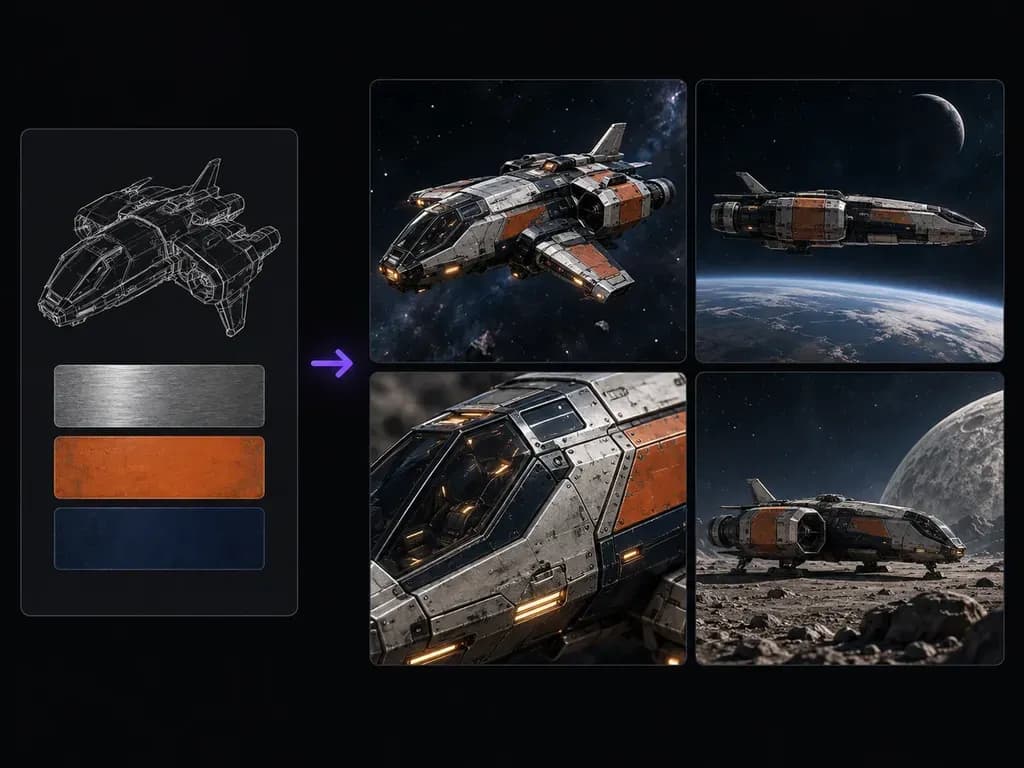

Vessel brief
Role, Mass, and Hull Plating Direction
Direct hull silhouettes, radiator fins, docking rings, and ceramic or metallic surface finishes using plain English industrial notes.
Specify your vessel's mission role, mass class, hull silhouette, surface plating, propulsion, and camera angle in a brief, or attach a ship sketch. With this AI spaceship generator, sci-fi creators render deep-space explorers and lunar landers on Virse.
An AI spaceship generator (or AI spacecraft generator) translates industrial and aerodynamic notes into a 2D spacecraft concept painting or hard-sci-fi vessel illustration without 3D modeling. Ground three design cues to keep silhouettes original:
• Mission and class: State whether the craft is a survey vessel, modular freighter, atmospheric shuttle, or four-legged lunar lander.
• Plating and engines: Name white ceramic heat tiles, titanium bulkheads, copper radiators, RCS thrusters, and cyan ion plumes.
• Angle and lighting: Choose a three-quarter deep-space angle, side profile above a planet limb, or landed view in a crater.
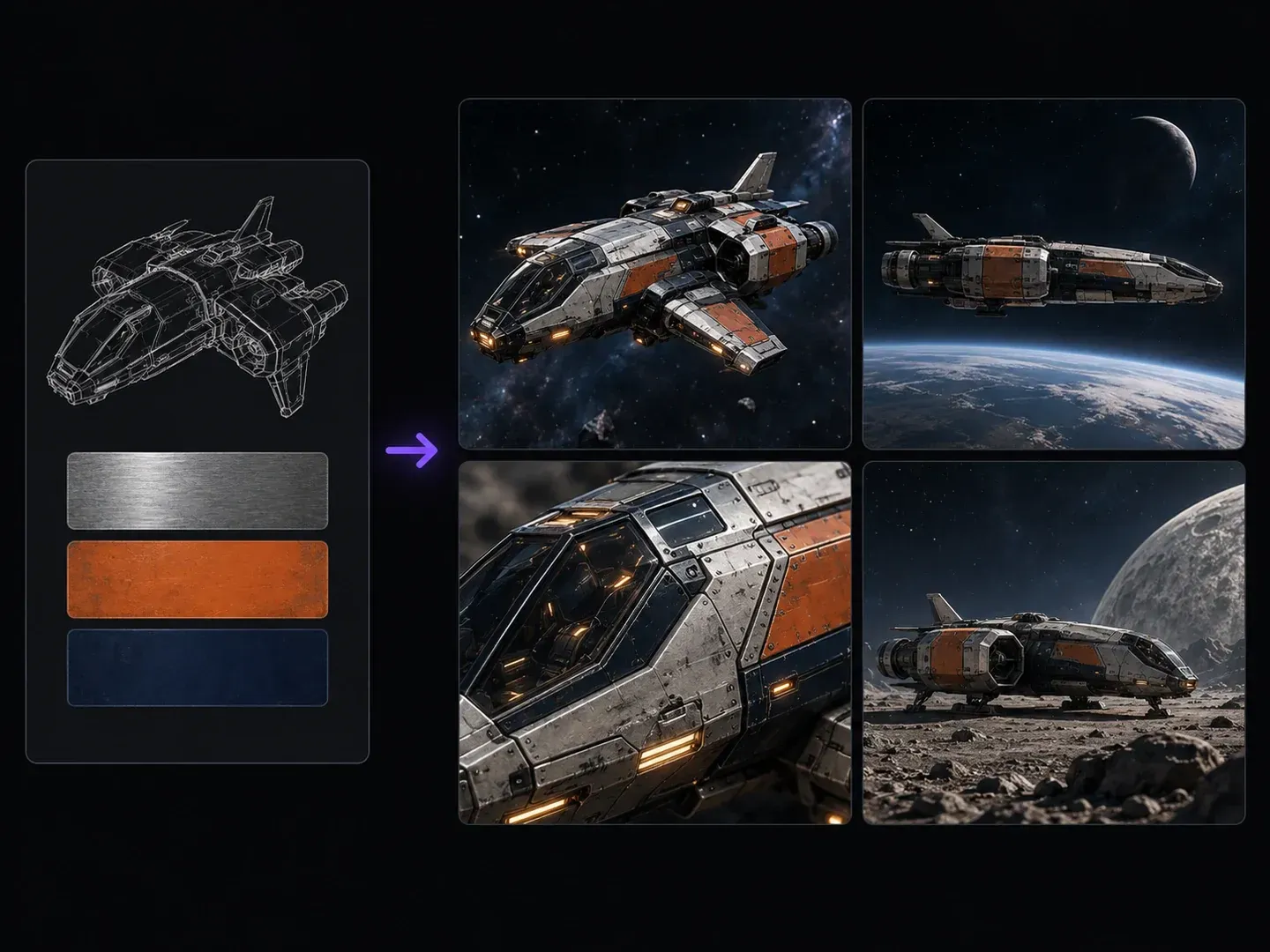
What sets this starship concept art generator apart when designing orbital fleets, book covers, and sci-fi vehicle sheets.
Direct hull silhouettes, radiator fins, docking rings, and ceramic or metallic surface finishes using plain English industrial notes.
Switch between three-quarter orbital flight shots, clean side elevations, macro hull-panel studies, and landed moon-surface compositions.
Assemble deep-space cruisers, modular freighters, and lunar shuttles side by side on the Virse workspace to establish a unified faction fleet.
Why industrial hull and thruster briefs in a sci-fi ship design generator beat generic one-word starship prompts.
Vague One-Word Starship Prompts
Virse AI Spaceship Generator
To generate spaceship from text notes, begin by stating the ship's purpose, crew or cargo scale, and overall hull silhouette.
Specify surface finishes such as matte ceramic tiles, brushed alloy panels, solar arrays, and the color of main thruster plumes.
Drop in an original side-profile drawing or rough thumbnail only when you want extra control over wing sweep or fuselage length.
Generate your static spacecraft concept and verify engine alignment, cockpit glass reflections, and landing gear contact.
Pairing vessel function, hull materials, and camera angle yields grounded concept art. Use these three spacecraft prompts:
• Survey ship: "Three-quarter space view of an original scientific exploration spacecraft, cylindrical core with white ceramic tiles and titanium ribs, amber viewports, cyan ion glow in a starfield, no text."
• Orbital freighter: "Side-profile elevation of a heavy interplanetary cargo ship above a blue planet limb, exposed truss spine carrying graphite pods and copper radiators."
• Lunar shuttle: "Wide surface view of a compact lander on four hydraulic legs in a grey lunar crater, angled canopy reflecting sunlight."
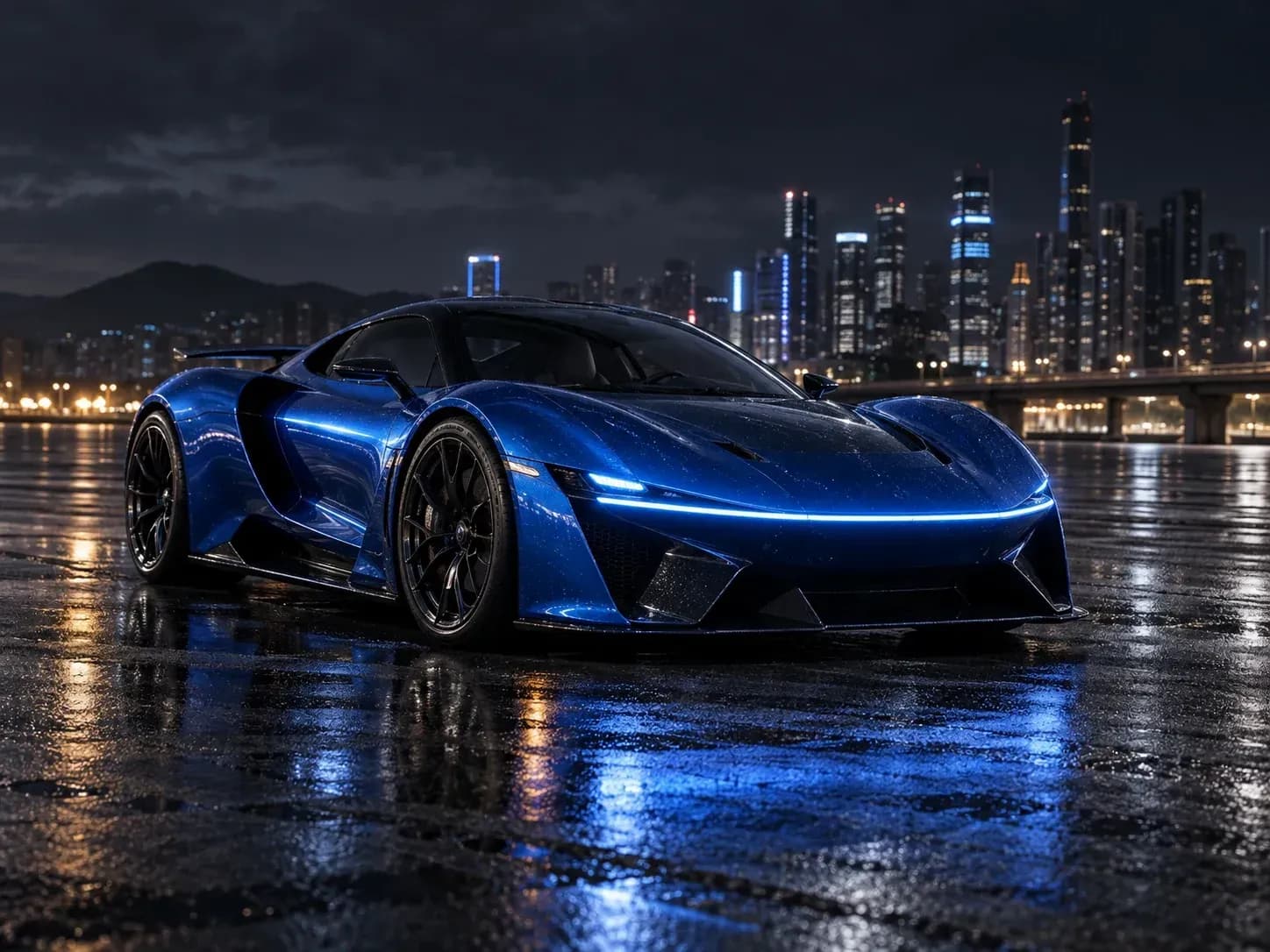
How sci-fi authors, game studios, tabletop designers, and storyboard artists apply a spacecraft exterior illustration generator in pre-production.
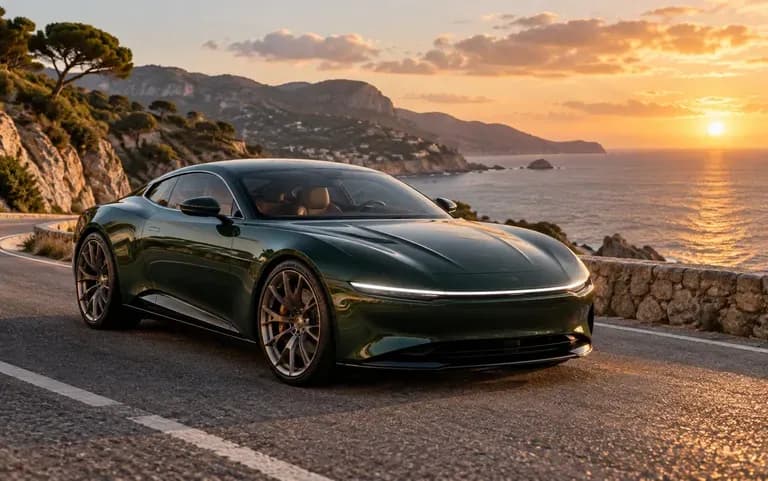
Visualize the flagship, salvage tug, or colony vessel at the center of a space-opera novel before commissioning final cover typography.
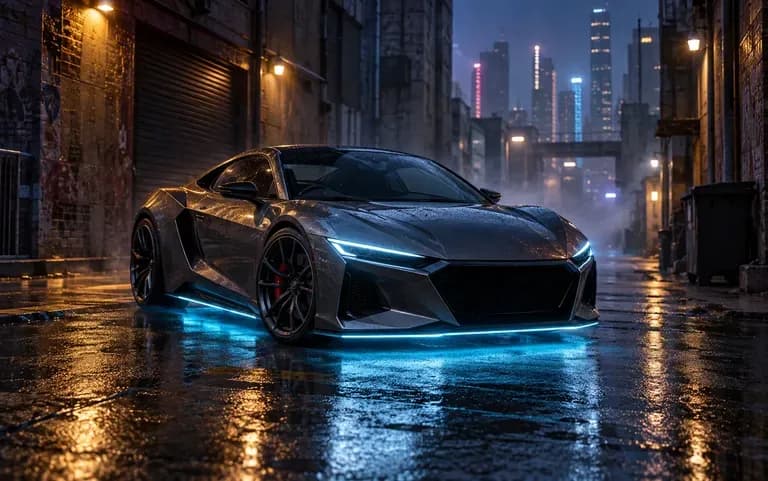
Explore hull silhouettes, faction color palettes, and propulsion styles during early visual development before 3D blockout begins.
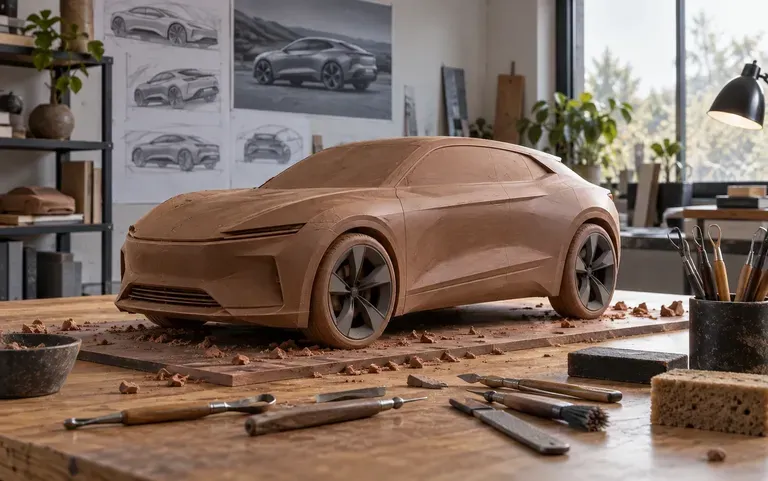
Illustrate player ship handouts, shipyard catalog cards, and orbital station encounters for campaign sourcebooks.

Test camera angles, solar lighting contrast, and atmospheric entry glow for storyboard sequences and pitch decks.
Six static spacecraft concept illustrations spanning deep-space explorers, cargo haulers, hull macro studies, and planetary landers.
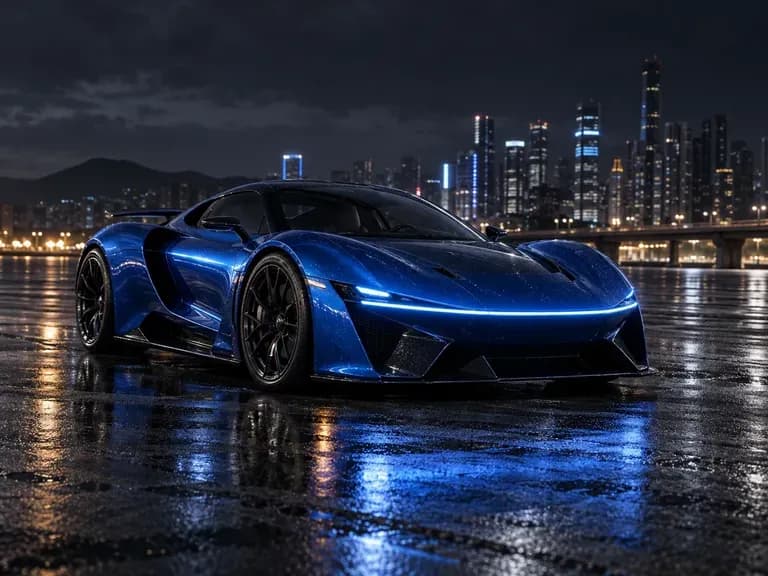
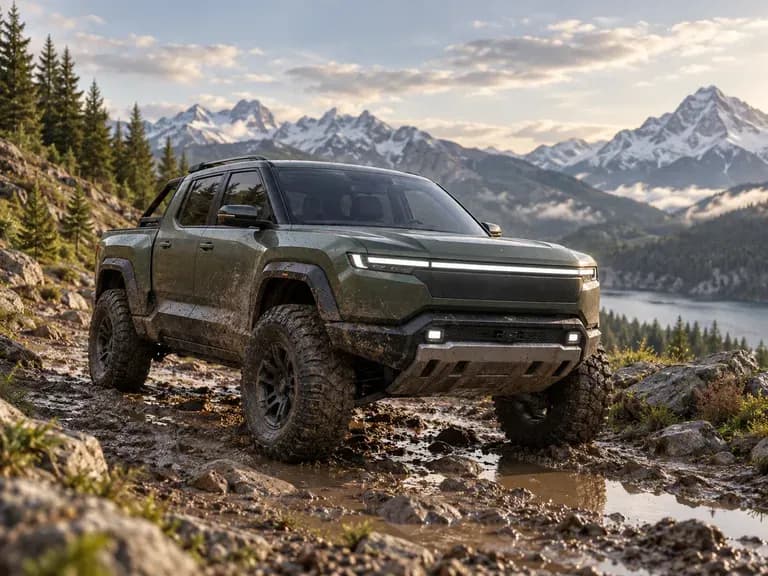
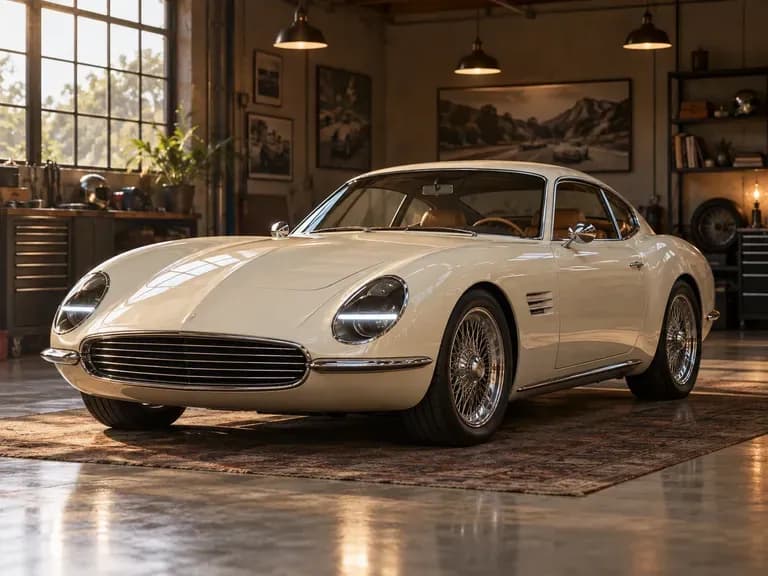
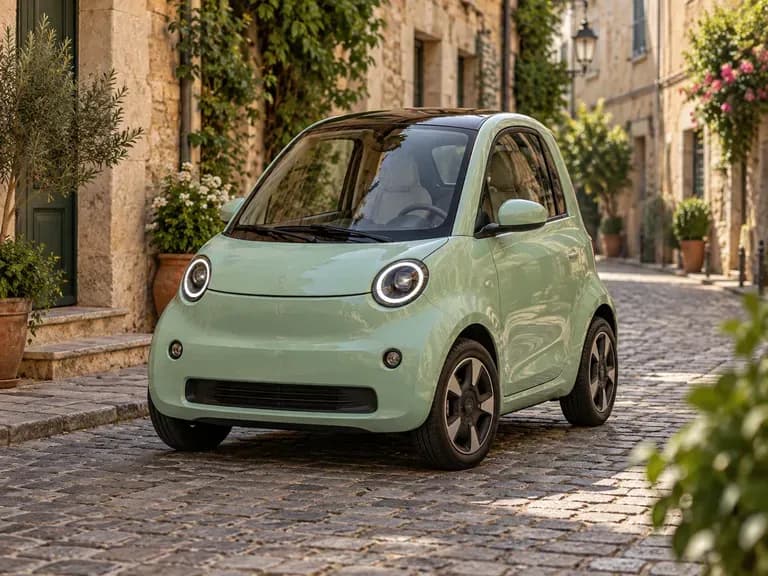

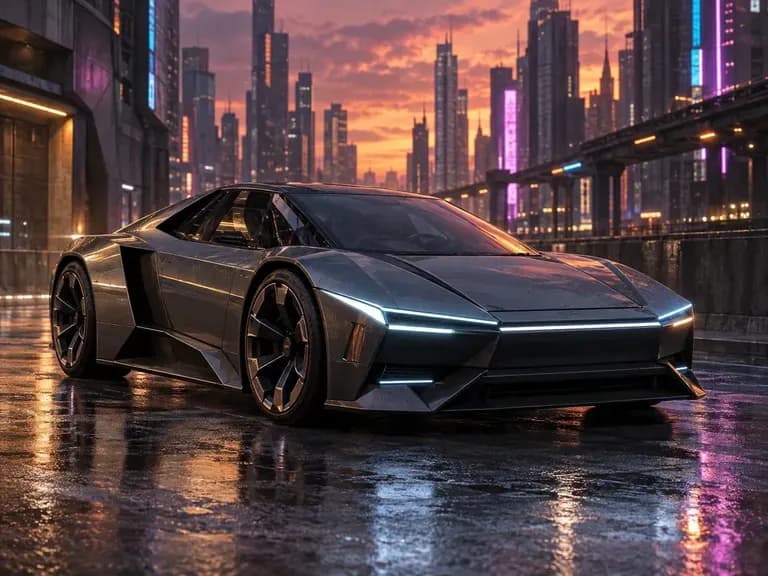
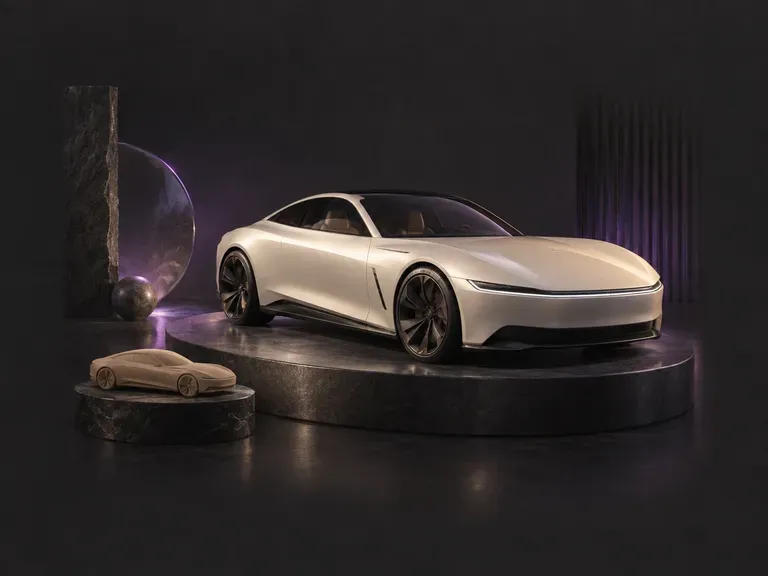
Shift from orbital spacecraft to ground rovers, futuristic concept cars, and surface transport vehicles.

Place your starship concept inside narrative hangar bays, orbital drydocks, or alien planetary environments.
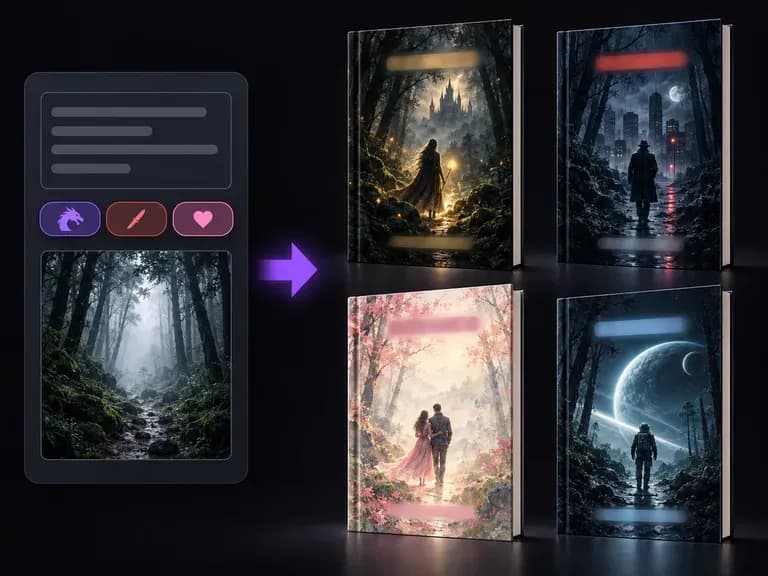
Turn your rendered exploration cruiser or colony ship into a formatted sci-fi novel cover mockup.
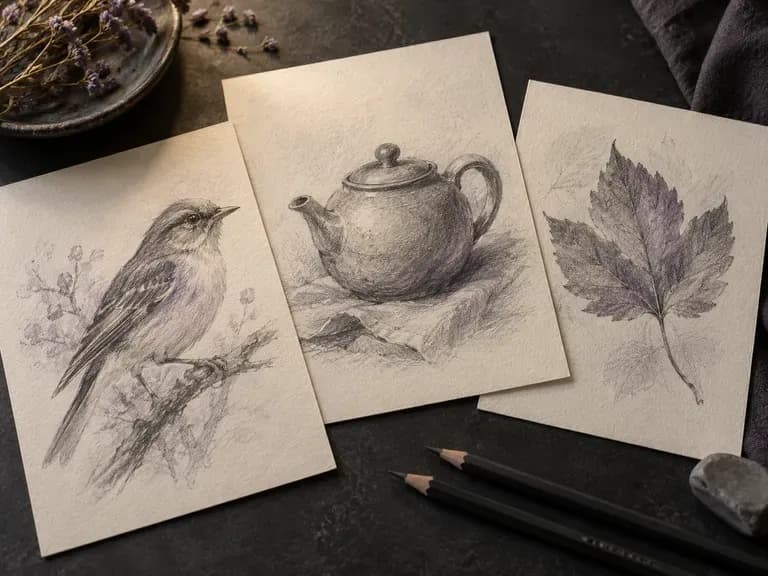
Convert painted spacecraft hulls into clean industrial ink linework or orthographic elevation drawings.
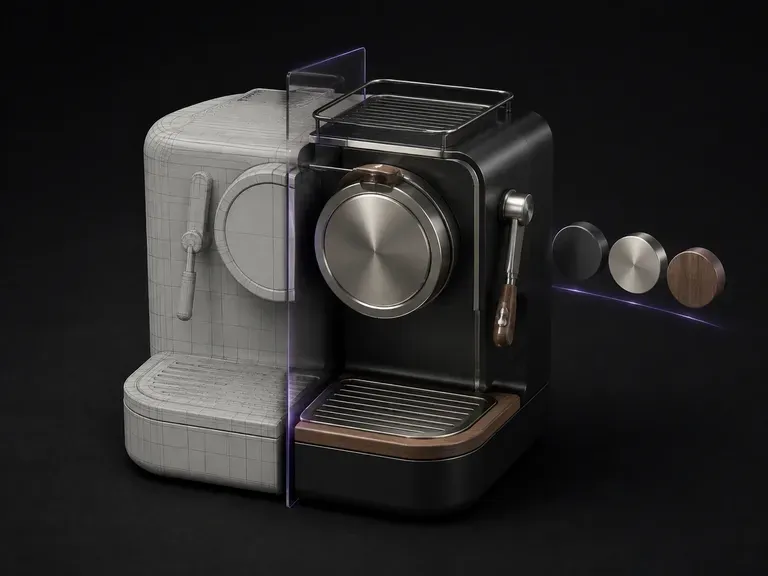
Preview your spacecraft silhouette as a neutral matte-grey studio maquette to evaluate surface massing.
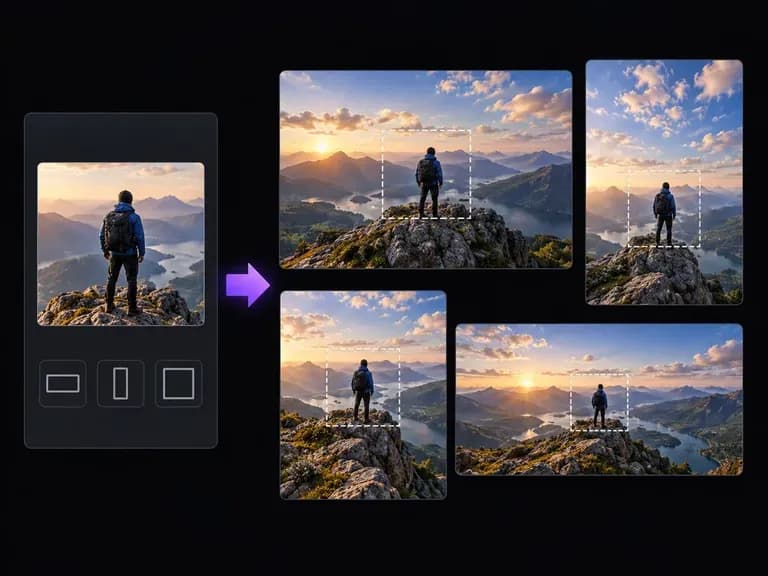
Extend a tight ship render into a widescreen deep-space panorama or desktop wallpaper.
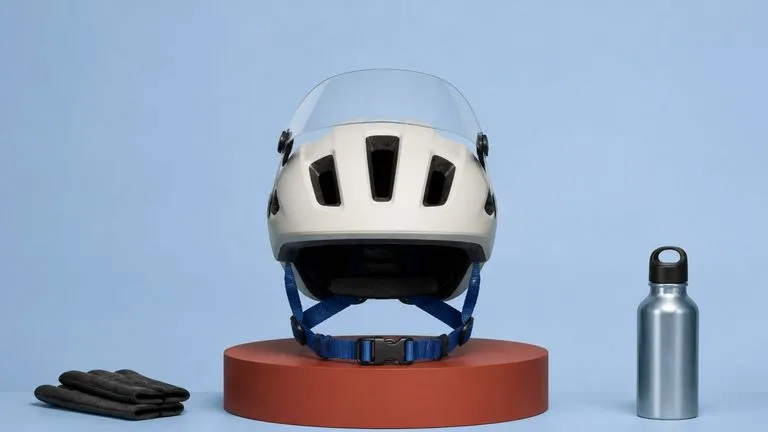
Render crisp hull panel seams, believable titanium and ceramic reflections, and sharp perspective.

Produce expressive space-opera book cover paintings, atmospheric nebula backdrops, and stylized ship art.

Upload a side-elevation hull drawing alongside metal and ceramic surface notes at up to 4K resolution.

Follow structured aerospace prompts detailing vessel role, thruster placement, and camera elevation.
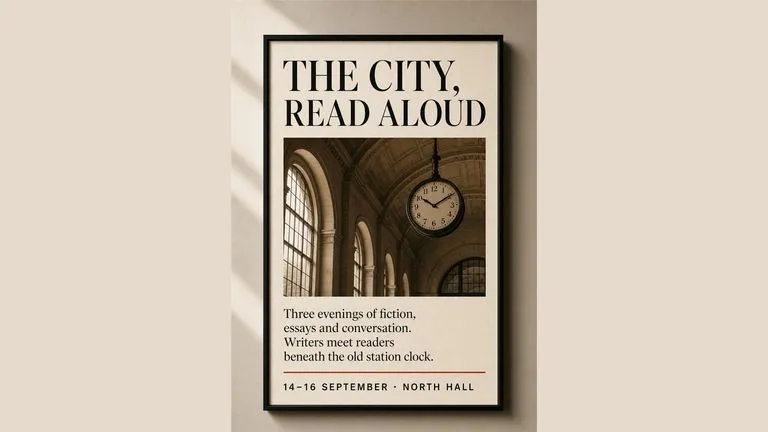
Keep small viewport windows, antenna arrays, and radiator louvers sharp across large vessel hulls.
Test multiple wing sweeps, cargo pod layouts, and ion thruster colors quickly at low compute cost.
Write your vessel mission, hull materials, and camera angle on the Virse canvas to explore hard-sci-fi and space-opera ship concepts.