
Free
Start with Free Generations
Try your first collection concept on Virse credits. New users can generate up to 10 images, enough to see whether a set of looks holds together before committing to full development.
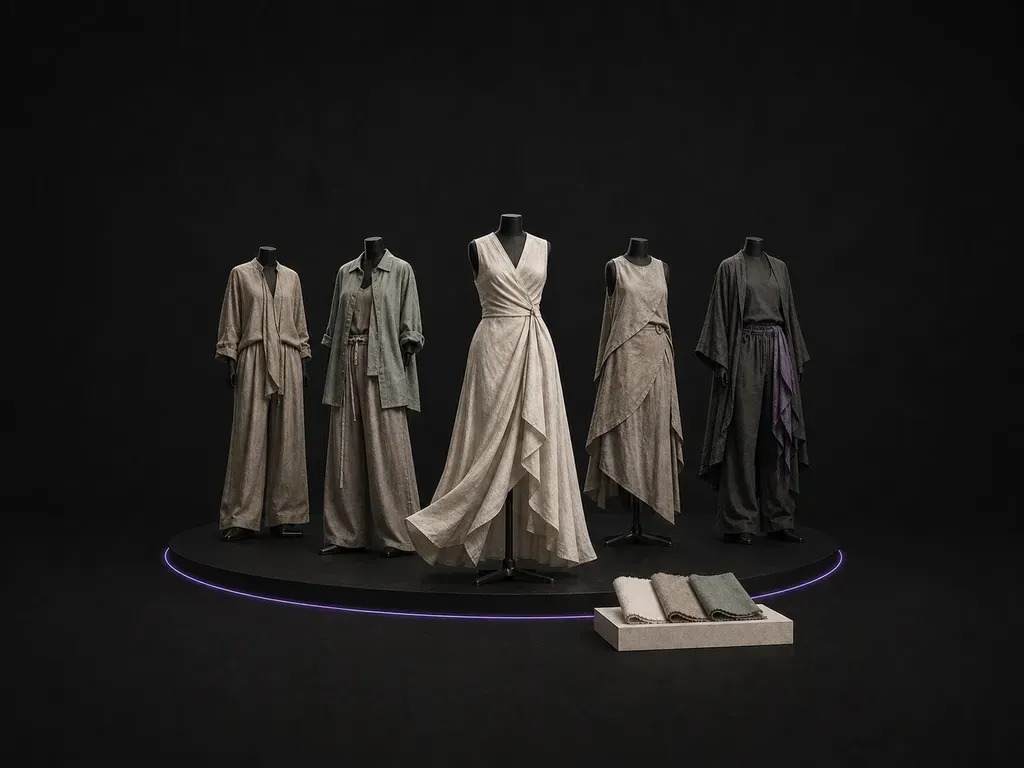
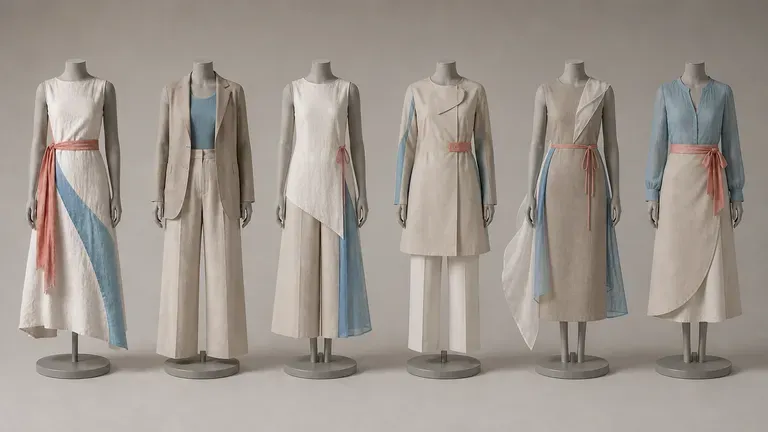
Describe your season, audience and silhouettes to generate a cohesive set of styled collection looks sharing one palette and fabric story on the Virse canvas, starting on free credits.
An AI fashion design generator turns a season theme, audience and silhouette direction into a full collection concept shown as a set of styled looks. In Virse you describe the collection, add references, generate the set and refine the pieces worth developing further—built around three core workflow advantages:
· Cohesive multi-look lineups: Generates a coordinated set of styled runway or lookbook outfits rather than a single isolated garment.
· Shared colour & fabric story: Threads your chosen seasonal palette, textile weights, and tailoring cues across every look.
· Rapid collection moodboarding: Compare silhouettes, layering proportions, and accessories on one canvas before sketching flats.
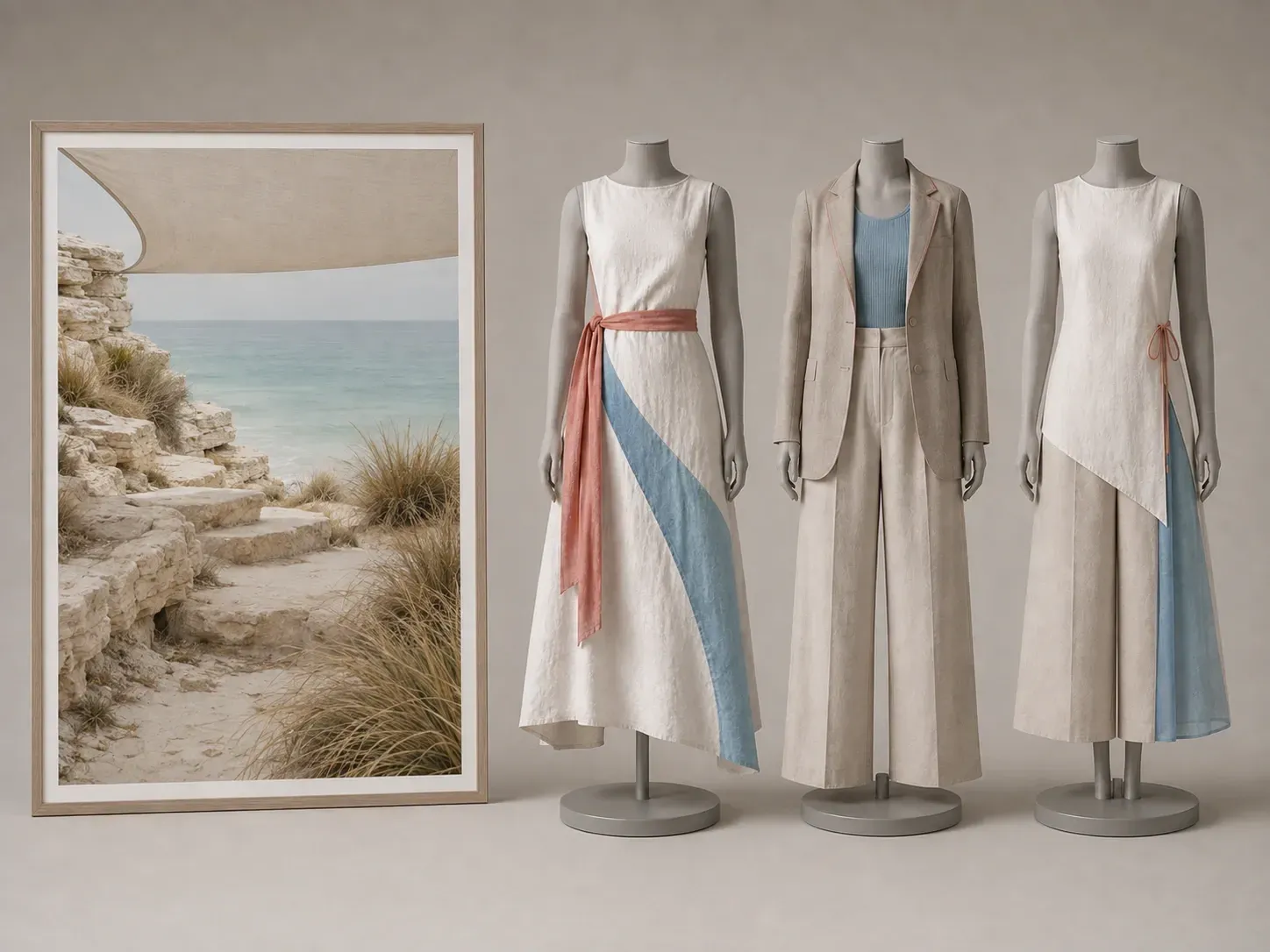
A collection has to hold together as a set, not just as individual pieces. Seeing the full range early is what makes that possible.
Try your first collection concept on Virse credits. New users can generate up to 10 images, enough to see whether a set of looks holds together before committing to full development.
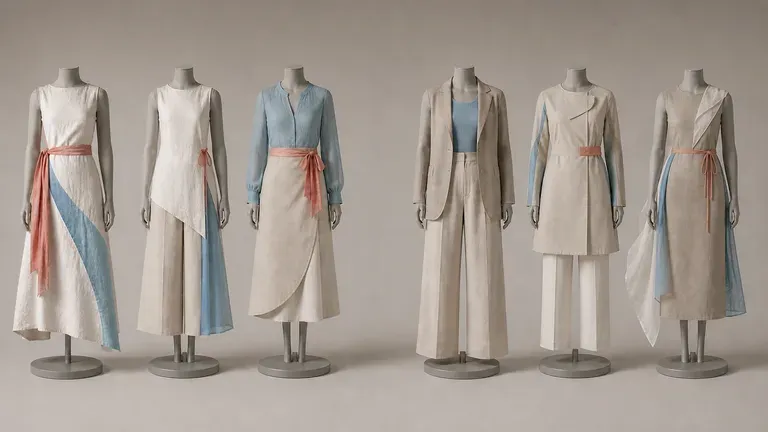
Virse brings 40+ AI models into one environment, and paid plans include unlimited model usage. You can see how different models style the same theme without rebuilding your brief for each one.
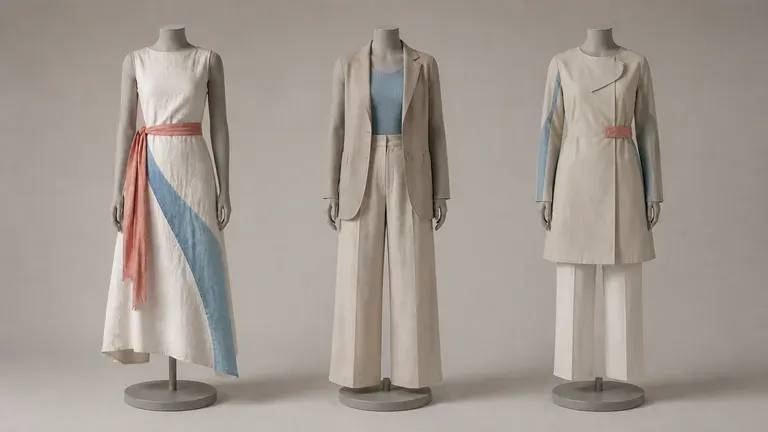
References, generated looks and alternate directions stay together on an infinite canvas so every new piece builds on your season palette.
Compare isolated garment sketches against cohesive multi-look collection lineups on the Virse canvas.
Isolated Sketches & Fragmented Moodboards
Virse Fashion Design Generator
Write out the season, theme, target audience, silhouettes, fabrics and colour direction. Add references when they say more than a sentence would.
Pick a preset such as resort and seasonal, ready-to-wear staples, or a runway-led concept, matching how directional the collection should be.
Run an available AI image model and let it produce a set of styled looks that share the same season theme and palette.
Refine the pieces that fit your range and drop the rest, keeping the set on canvas as your visual sampling reference.
Name your season, target wearer, 3–4 core fabrics, colour palette, and silhouette proportions:
· AW utilitarian outerwear capsule: 5-look gender-neutral collection: waxed olive cotton, boiled charcoal wool, quilted ripstop, oversized boxy coats and cargo trousers.
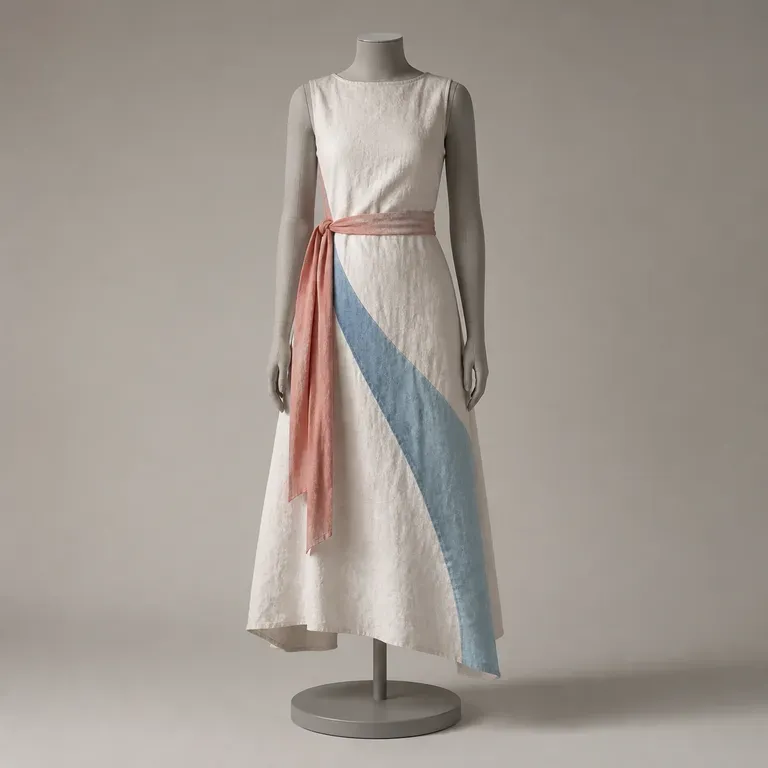
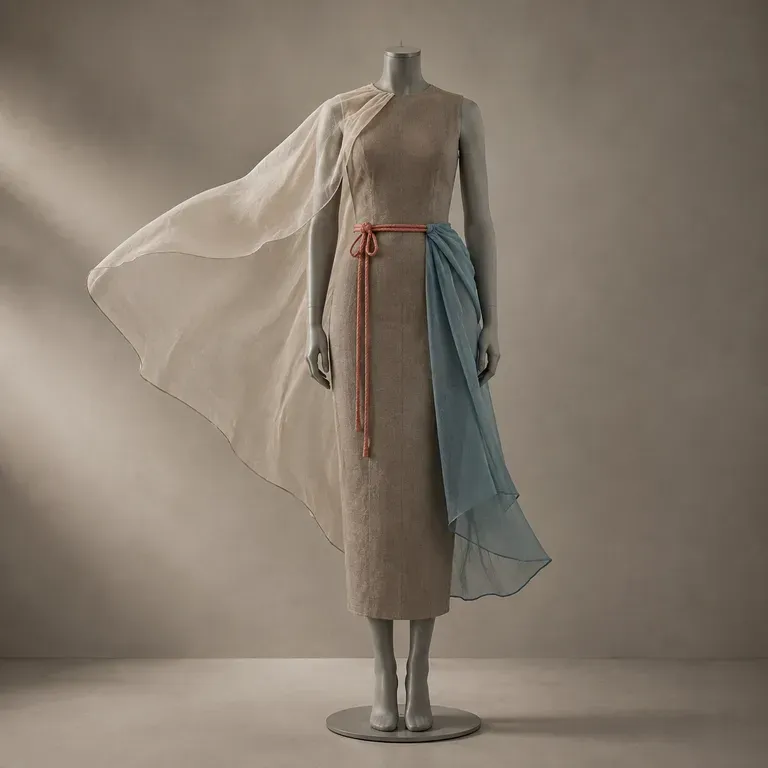
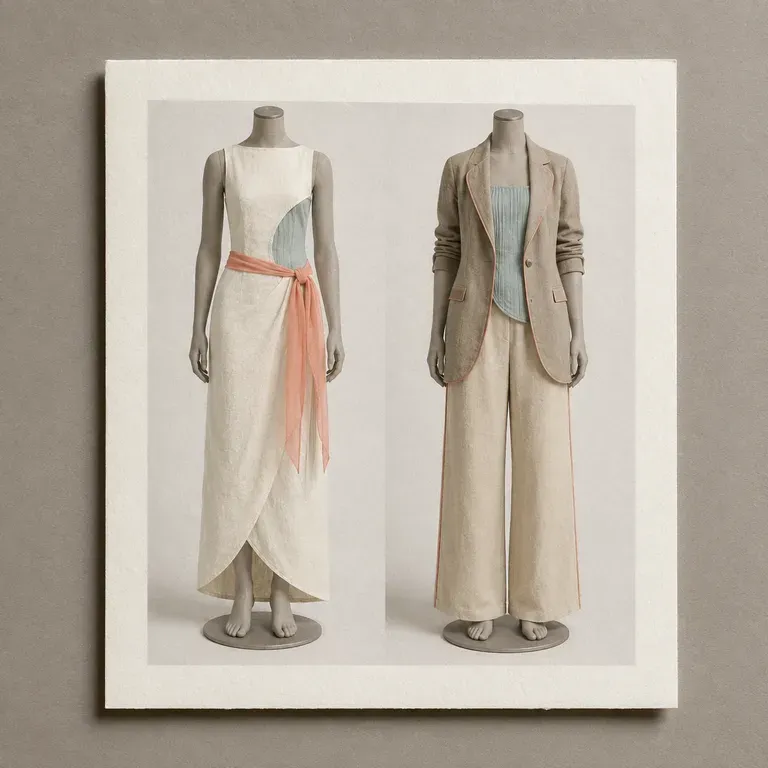
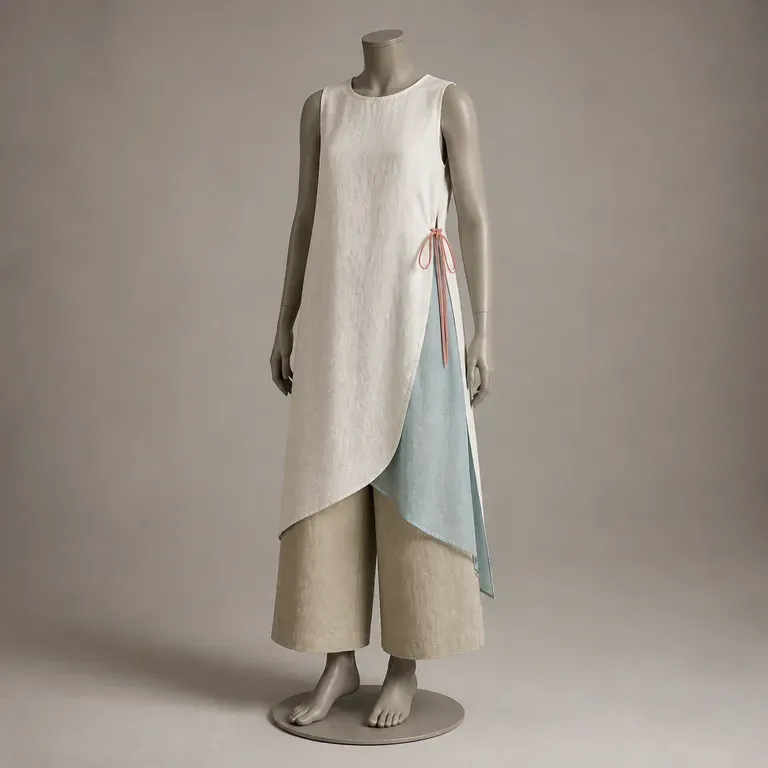
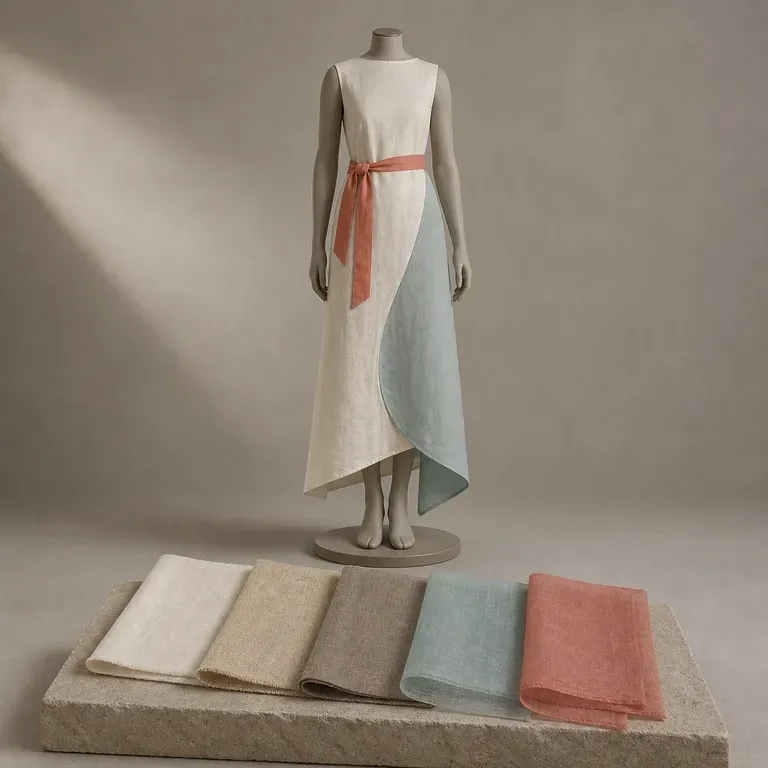
· SS Mediterranean resort line: 5-look womenswear capsule: raw ecru slub linen, terracotta silk habotai, crochet knitwear, fluid bias-cut maxi dresses and wide trousers.
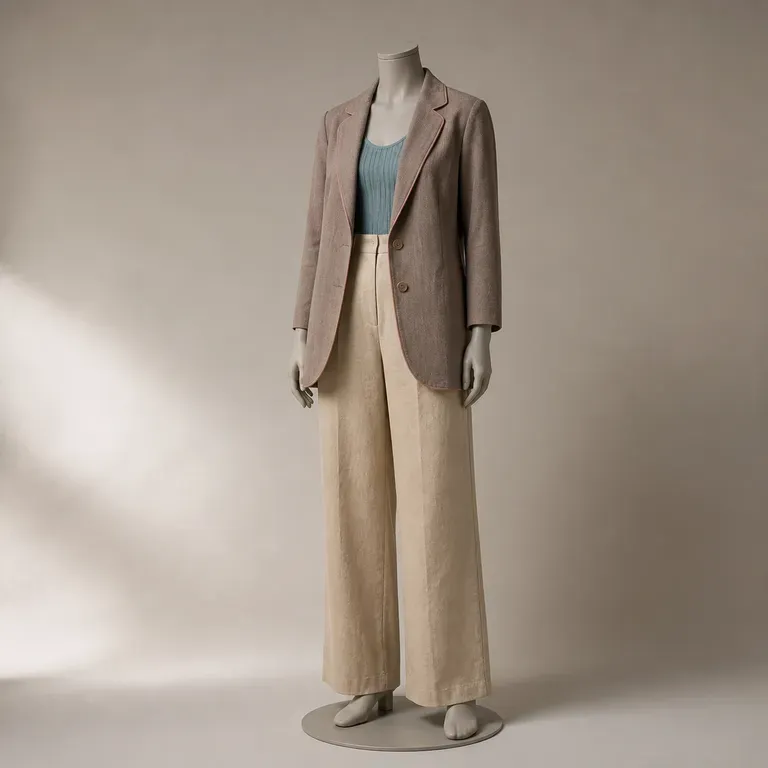
· Contemporary Neo-tailoring: 4-look menswear collection: chalk-stripe tropical wool, crisp poplin, slate and espresso palette, relaxed double-breasted blazers.
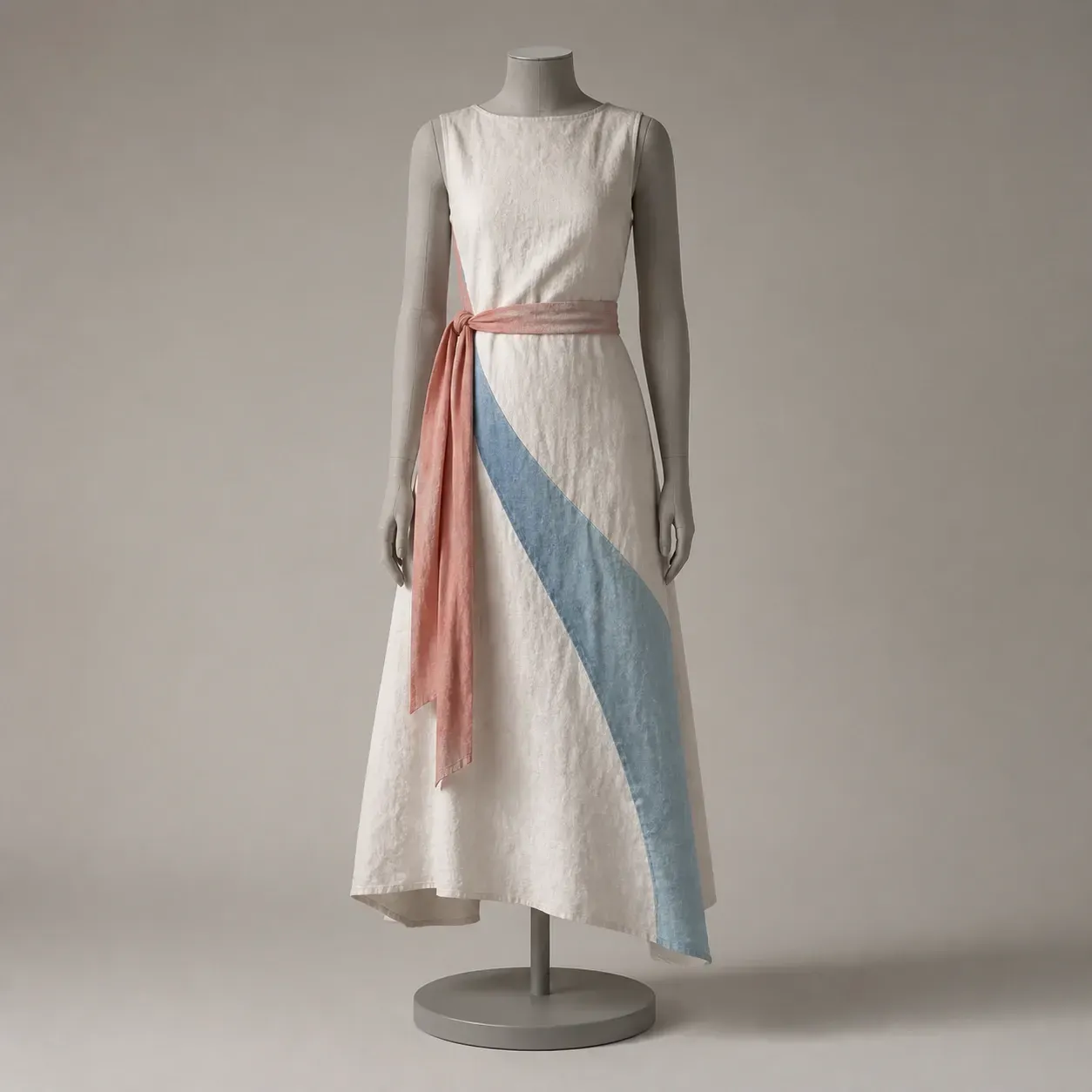
People building a set of looks, who need to see them as a range before anyone sews a stitch.
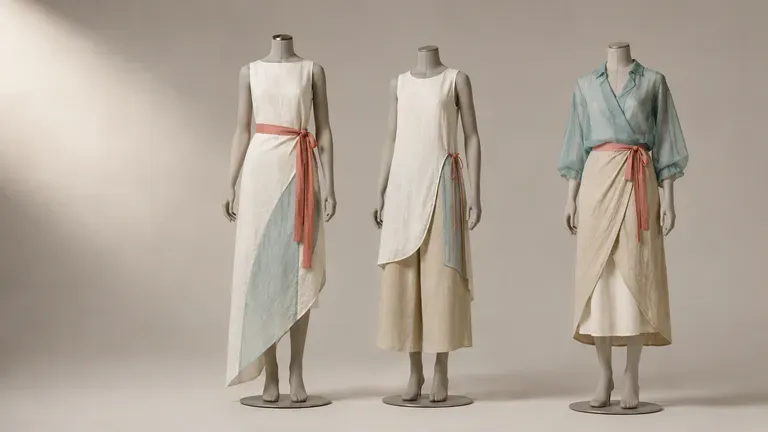
Explore a season's silhouette and colour direction before committing to full development.
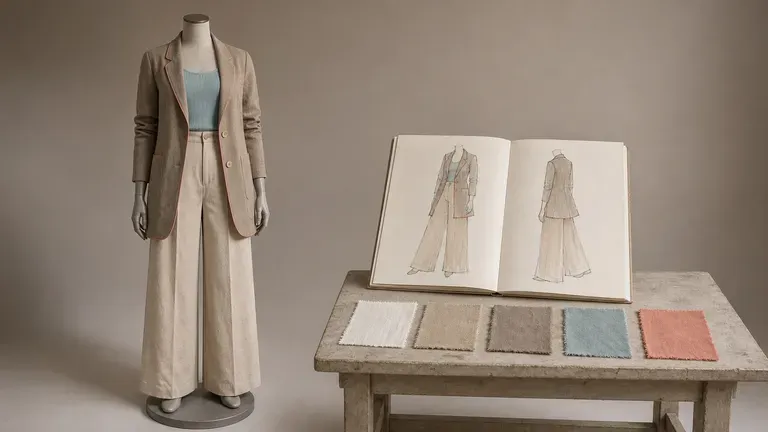
Practise translating a theme into a cohesive set of looks as part of coursework or a portfolio piece.
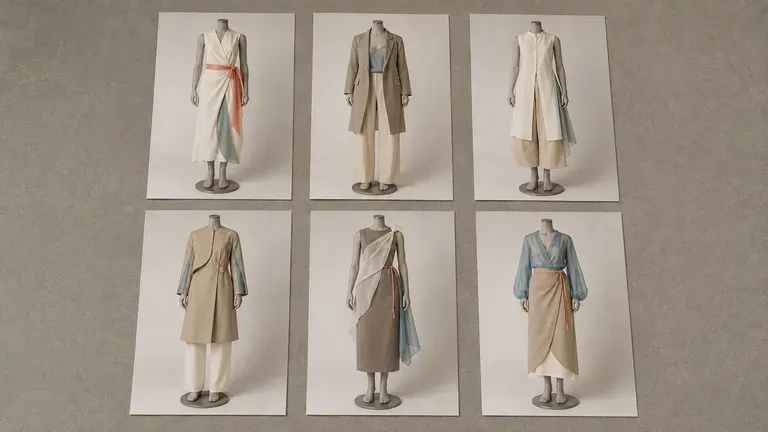
Preview a directional range before finalising what to develop for a season.
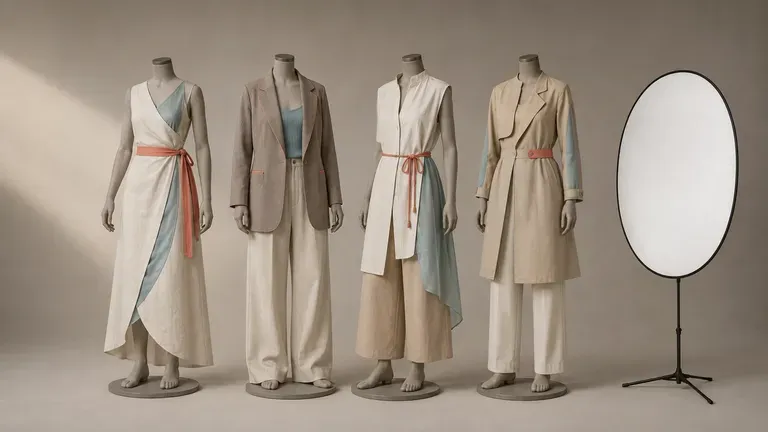
Generate a cohesive set of looks for a shoot, lookbook or campaign concept.
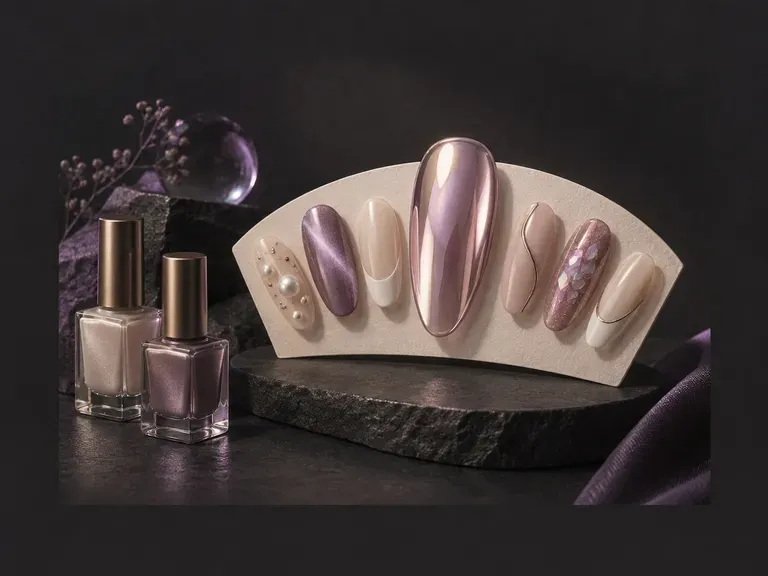
Upload a daylight hand photo or write a manicure brief to preview custom nail art before your salon visit. This AI nail design generator renders almond, coffin, stiletto, and squoval shapes in glazed chrome, magnetic cat-eye velvet, French micro-tips, and 3D gel.
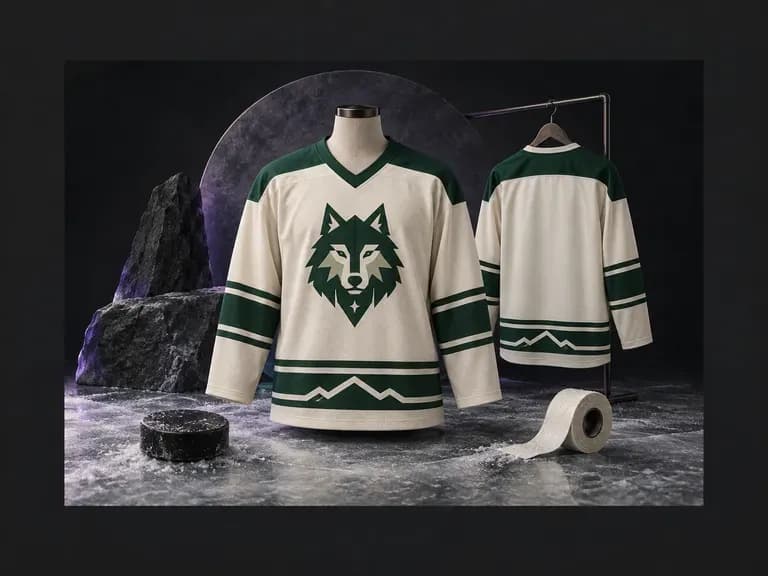
An ice hockey sweater has a distinct cut, collar, and stripe layout compared to soccer or basketball kits. Describe your team colors, shoulder yokes, and sleeve striping (or upload a crest), and this AI hockey jersey design generator renders front and back views.
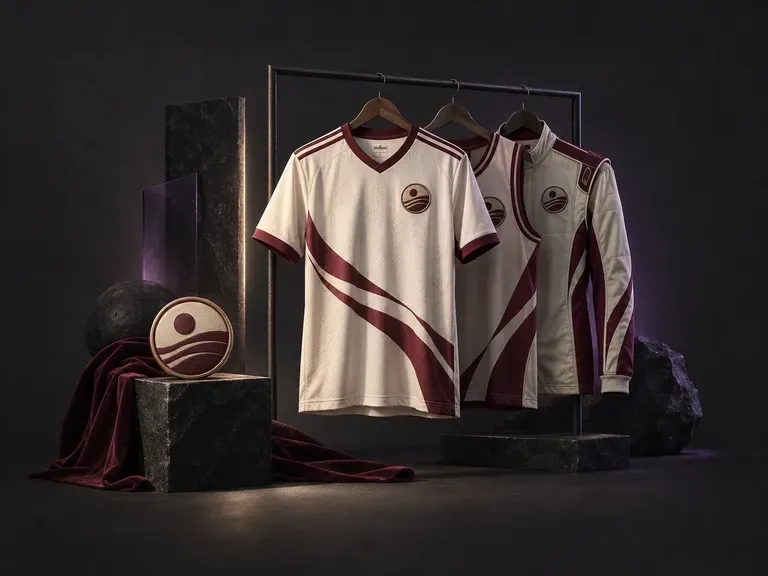
Build custom team kits, streetwear jerseys, and tournament uniforms with our AI jersey design generator. Enter your club name, colorway, number, and crest to preview cuts across soccer shirts, basketball tanks, football jerseys, cycling tops, and esports kits.
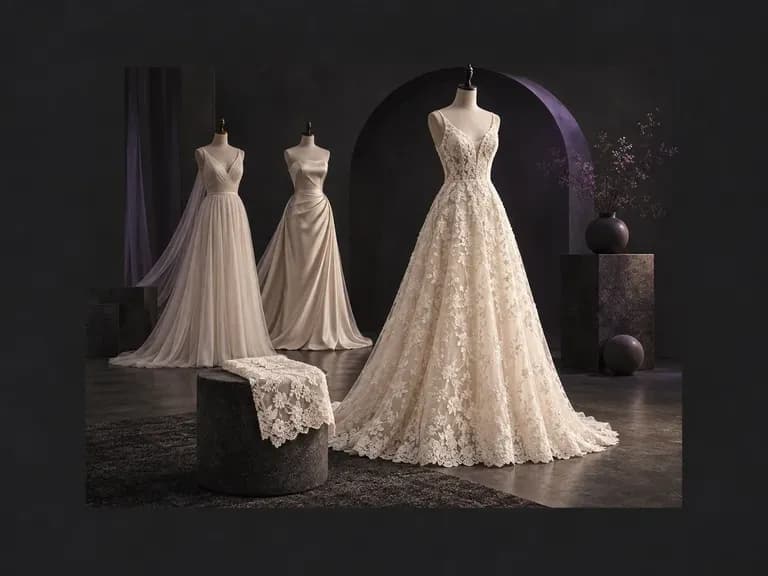
Describe your ideal silhouette, neckline, sleeve cut, bridal fabric, and venue. Virse's AI wedding dress generator turns your written brief into an original bridal gown concept on your canvas, giving you a clear visual reference for your boutique.
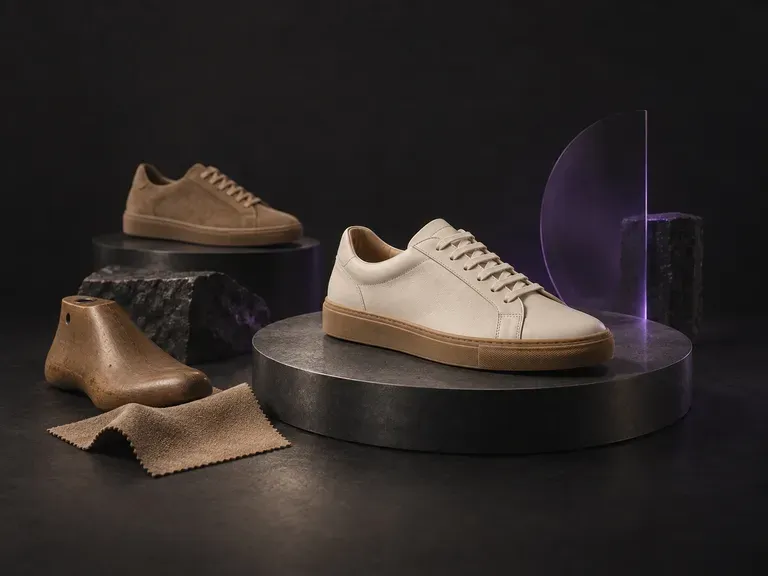
Turn a written footwear brief into photorealistic concept renders before cutting a pattern piece. This AI shoe design generator visualizes court sneakers, trail runners, Chelsea boots, sculptural heels, and loafers from your material notes on the Virse canvas.
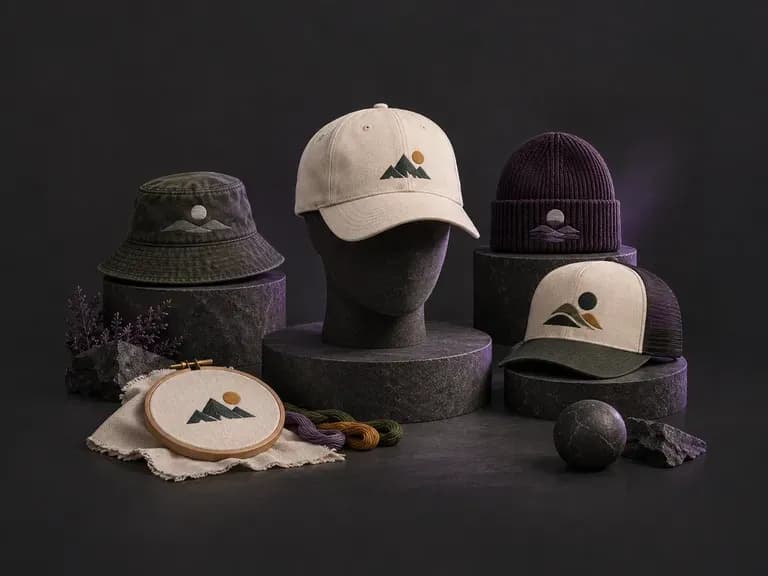
Describe your crown shape, fabric texture, and graphic application, or upload a logo, to preview headwear before ordering samples. This AI hat design generator renders front and side concepts for snapbacks, dad hats, truckers, and beanies on your Virse canvas.
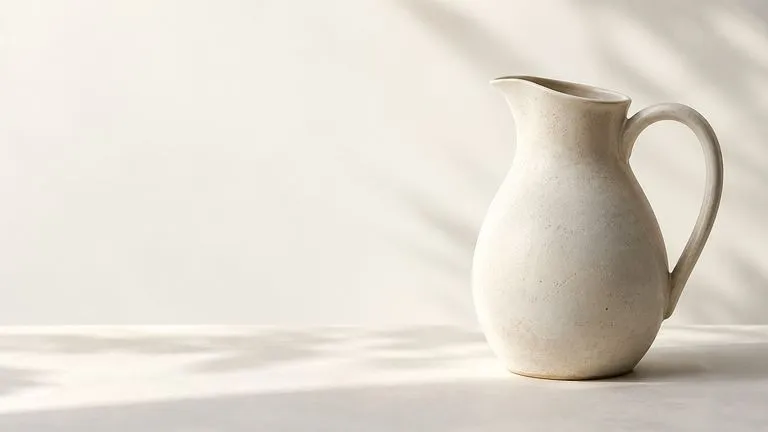
Create and edit stills with FLUX 3 Image at 1K, 2K or 4K. Switch to FLUX 3 Video for 5–20-second scenes at 720P or 1080P with native audio, on the same Virse canvas.
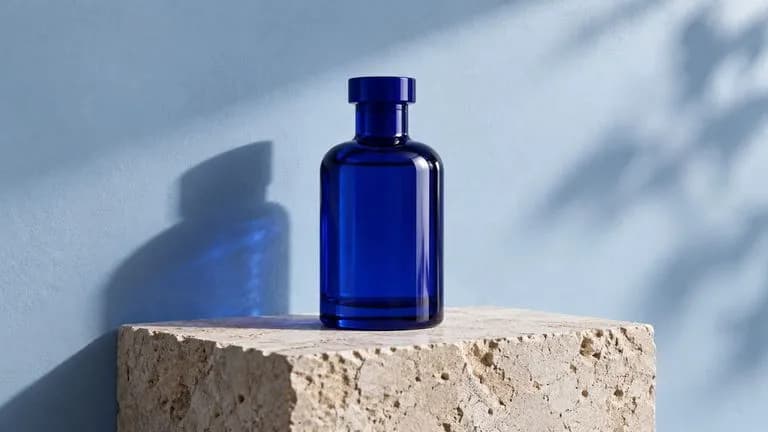
Generate and edit images with Nano Banana 2.1 in Virse. Choose 1K, 2K or 4K output and use up to 14 reference images to guide the subject, setting and materials.
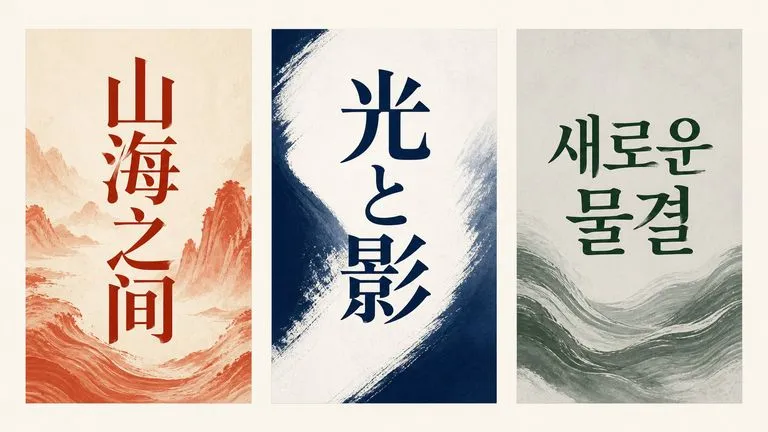
Alibaba's Qwen Image 3.0 Pro renders type as language across a dozen scripts, holding legibility down to ten pixels in dense layouts.
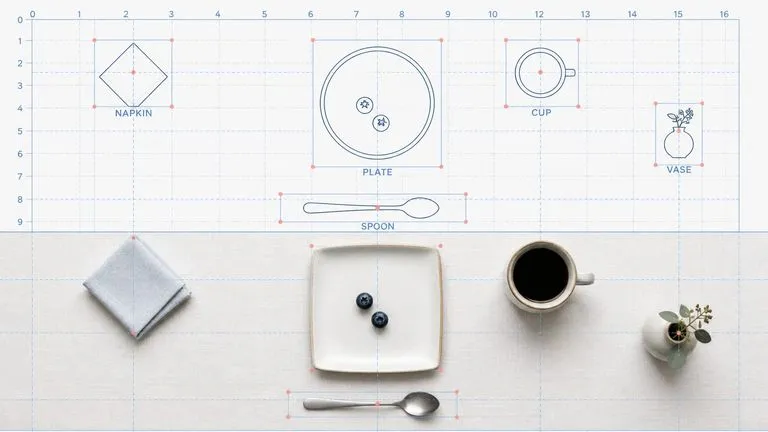
Reve AI's second-generation model builds an addressable layout of positioned elements before it renders, so a specified arrangement comes back arranged.
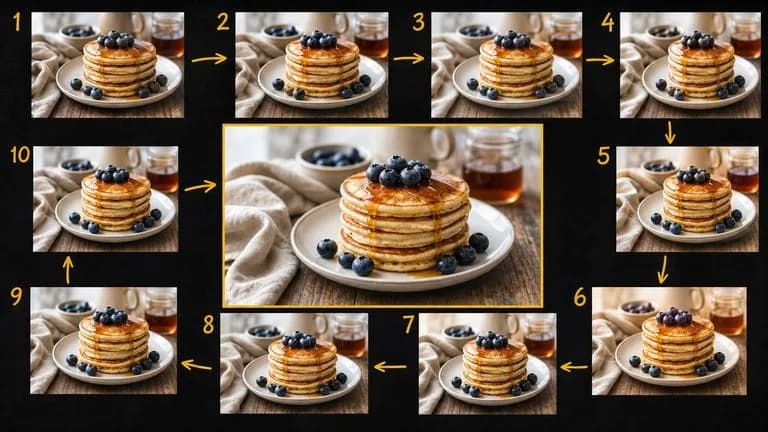
Google's Gemini 2.5 Flash Image — the original Nano Banana — generates and edits pictures at conversation speed, so a correction takes a sentence instead of a session.
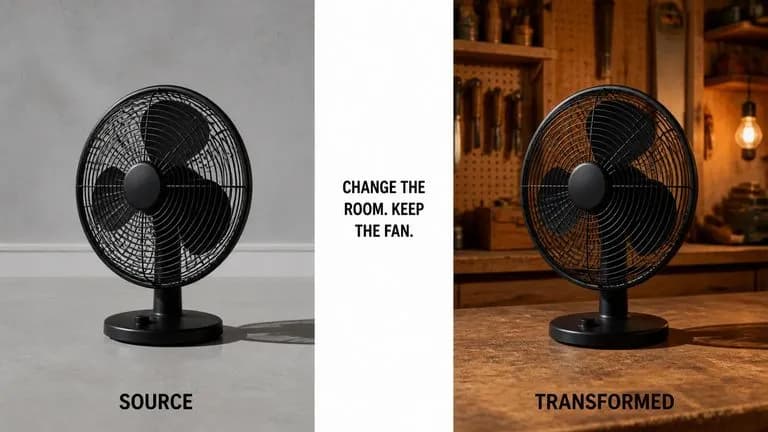
ByteDance's Seedream 4.0 and Seedream 4.5 generate from written descriptions and from images you supply, turning one source picture into as many directions as a project needs.
Describe your season and direction, generate a set of styled looks, and refine the pieces worth developing further.