Relief priority
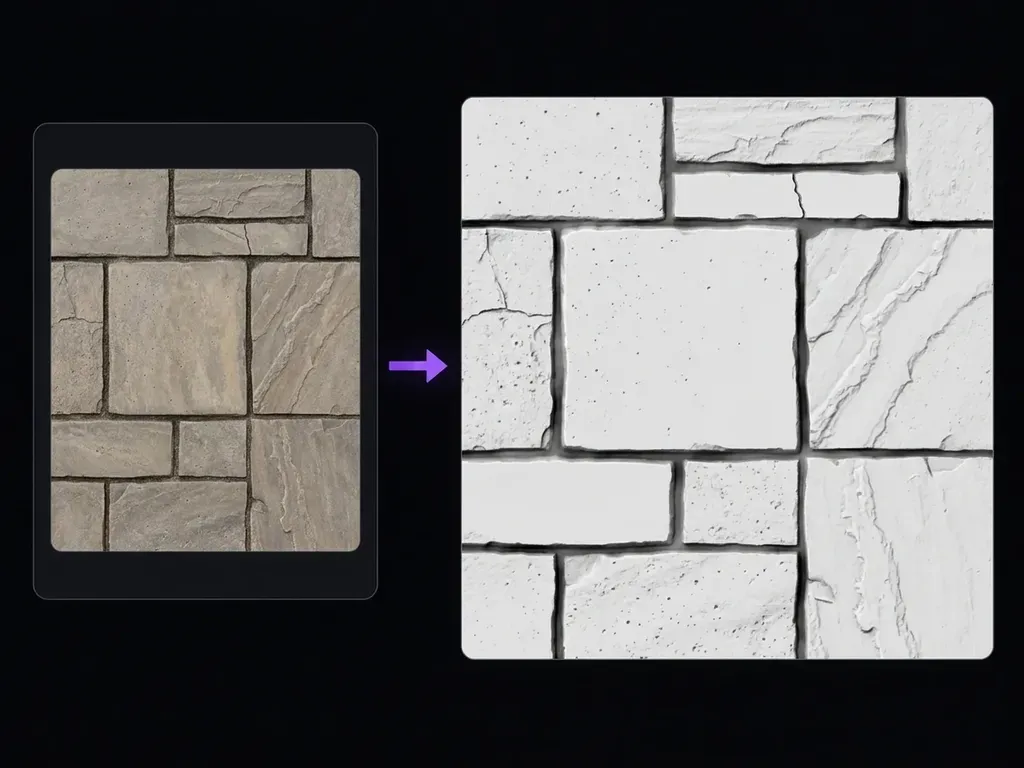
True Physical Elevation Over Color Stains
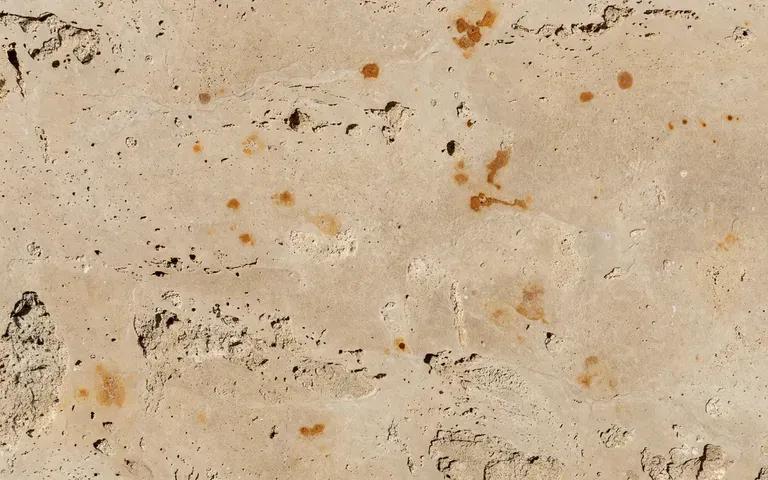
Ignore harmless surface grime, patina spots, and directional shadow streaks that mislead basic brightness filters into carving false holes across flat stone.
Upload a flat surface material photo or describe weathered stone, fabric twill, or knurled alloy ridges inside Virse. Built as an online bump map texture generator for early shading tests, this preset turns real surface cues into 8-bit grayscale height previews where brighter areas represent raised ridges and dark channels sit recessed.
A bump map texture generator translates flat material photography or relief notes into an 8-bit grayscale raster preview where brighter tones signify raised ridges and darks indicate sunken crevices. Rather than misreading painted spots or drop shadows as physical grooves, describe real grain depth on canvas to evaluate surface height before setting shader ramp nodes in 3D scenes.
Simple luminance converters desaturate pixels blindly so dark stain ink or sun glare turns into false holes and hills across smooth marble slabs. Reasoning about physical surface depth separates three critical shader details:
• Physical relief over color pigment: Distinguishes raised natural rock or leather crowns from surface stain blotches and cast shadows before writing neutral gray heights.
• Pure grayscale raster exports: Saves standard 8-bit PNG or JPG height previews alone without exporting 16-bit/32-bit .exr displacement maps or .sbsar Substance projects.
• Engine-ready manual inspection: Advises 3D artists to test border 4-edge wrap offsets, white-vs-black inversion polarity, and normal conversion inside Blender, Unreal, or Unity.

Built for game prop artists, architectural renderers, and product studios converting reference photos or descriptions into readable grayscale elevation plates.
Ignore harmless surface grime, patina spots, and directional shadow streaks that mislead basic brightness filters into carving false holes across flat stone.
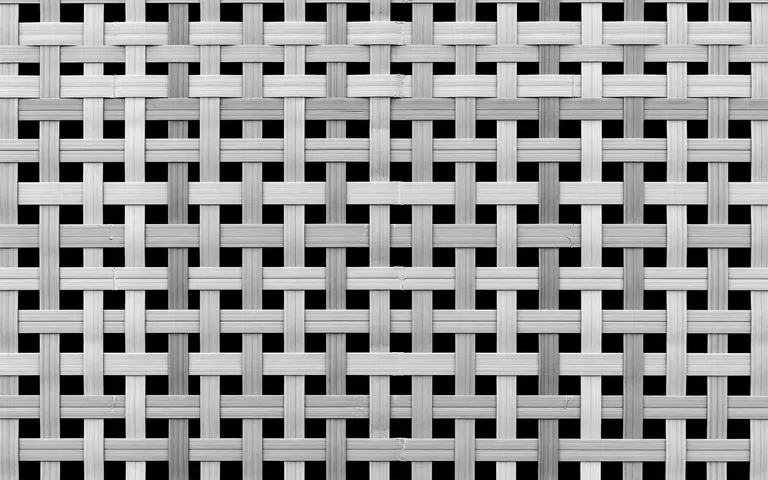
Push uppermost woven reeds, carved brick crowns, and wood ridges smoothly toward bright white while dropping narrow joints straight down into charcoal black.

Start from a flat real-world snapshot or leave uploads empty when mocking up stone joints, pebbled leather grain, or raw cork from text alone.
Why inferring physical relief fixes inverted bricks, muddy mid-grays, and shadow grooves left behind by pixel Sobel converters.
Basic Brightness Desaturation Filters
Virse AI Bump Map Texture Generator
Upload one evenly lit flat texture photo (JPG, PNG, or WebP), or leave upload fields blank and write surface height notes directly.
Clarify which features push upward like cobblestone domes or woven threads versus which fine seams drop deep toward charcoal shadows.
Launch individual tests tuning gentle micro-grain versus sharp crevice depth so alternate height contrast passes sit right beside each other.
Run an offset wrap inspection and verify height orientation inside Blender, Unreal, or Unity prior to plugging outputs into final shaders.
Calling out even ambient illumination, bright plateau targets, and dark matte recesses keeps 8-bit relief drafts free from false light slopes:
• Weathered ashlar limestone course: "Overhead orthographic grayscale height relief texture of dressed limestone masonry blocks with flat chipped stone tops in pale gray, faint chisel grooves, and dark matte mortar seams."
• Pebbled saddle leather grain: "Macro neutral grayscale bump texture map of uniform full-grain pebbled upholstery leather where smooth rounded pebble crowns read bright white and narrow branching creases drop to dark charcoal."
• Hexagonal floor ceramic tiles: "Top-down grayscale elevation texture map of hand-pressed hexagonal terracotta tiles featuring gently pillowed pale tile faces with narrow sunken grout joints sharply bordering each tile."

Four visualization disciplines using this online ai bump map maker to draft practical surface micro-detail before authoring heavy procedural node trees.
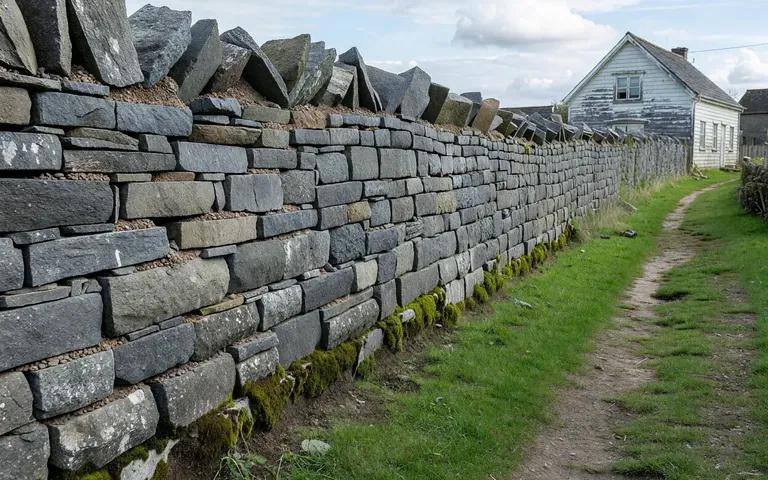
Prototype dungeon brickwork, weathered cedar planks, or mossy cobble height maps straight on canvas before rigging full Substance graphs.
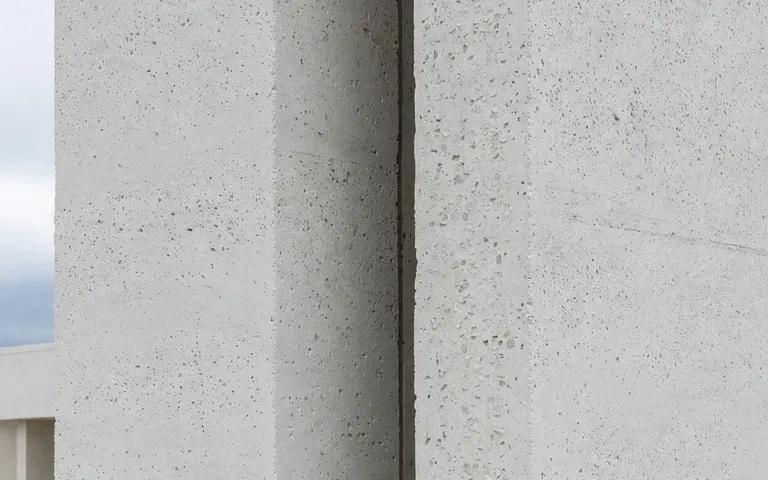
Convert flat exterior shots of bush-hammered concrete slabs or honed travertine into practical shader micro-relief plates for concept renders.
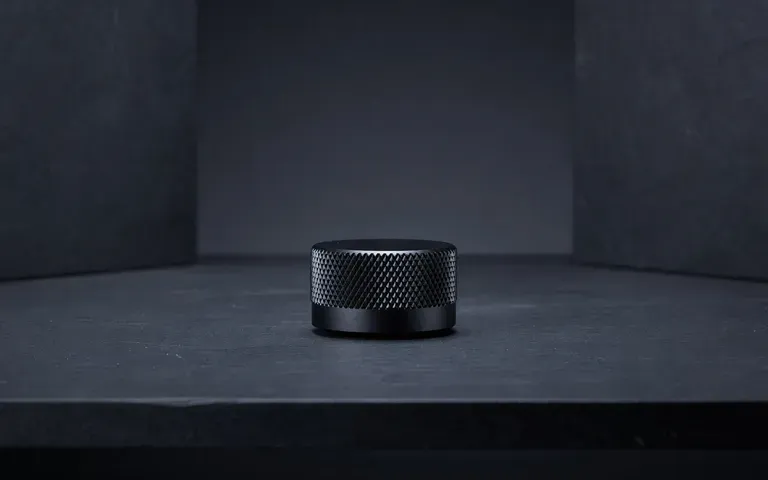
Test uniform anodized diamond knurling, powder-coat pebble coats, or brushed dial rings on early cylindrical product surface studies.
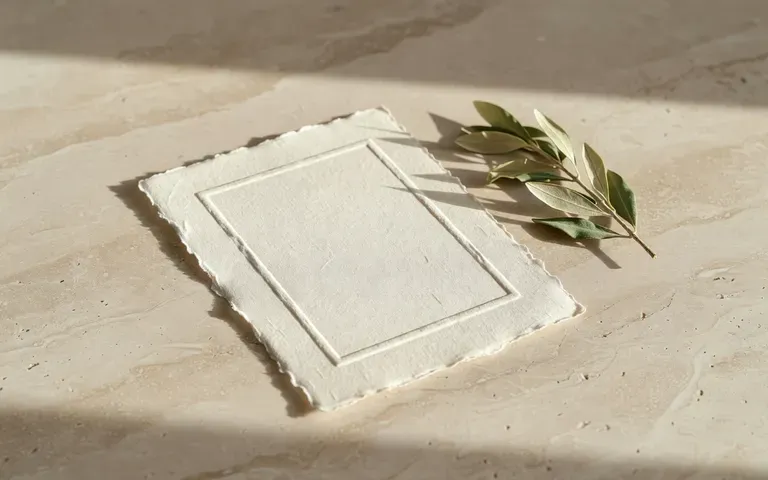
Generate blind-deboss border grooves and cotton rag tooth reliefs for height relief checks across tactile bottle labels and rigid boxes.
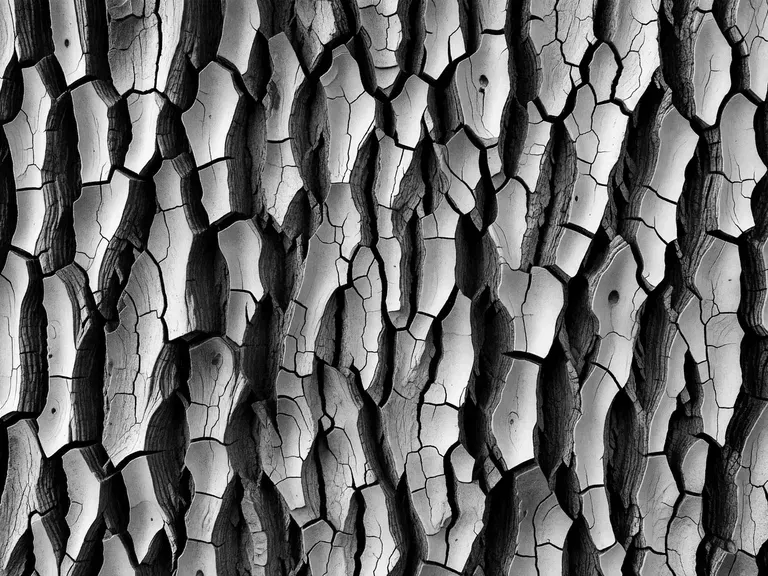
Six neutral 8-bit grayscale relief texture plates covering weathered oak bark, denim twill weave, hammered brass dents, terracotta clay crackle, fluted stone, and braided carbon fiber.

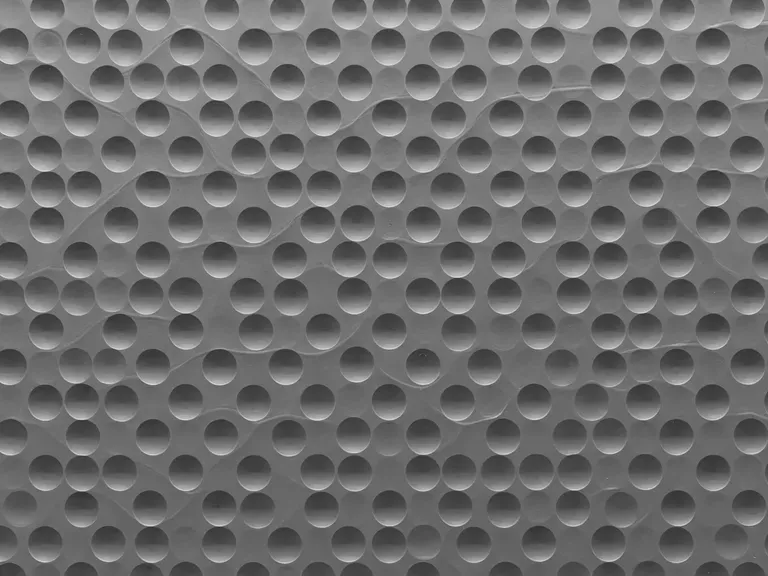
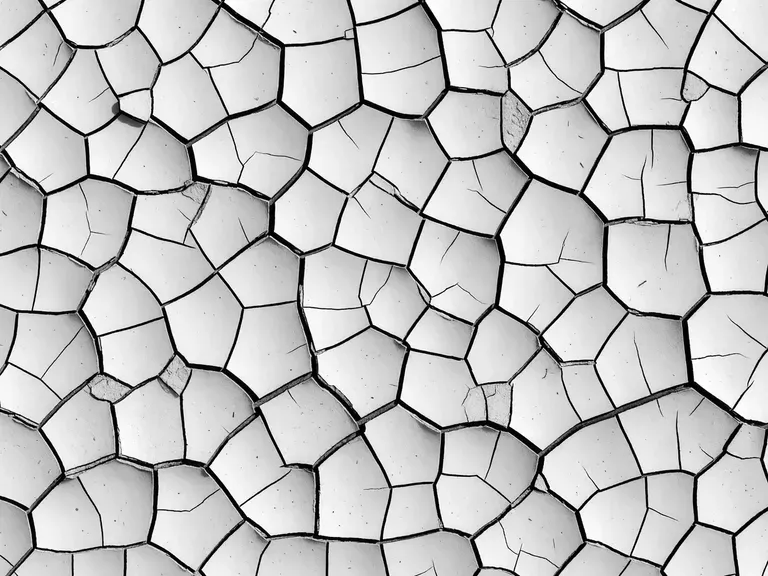
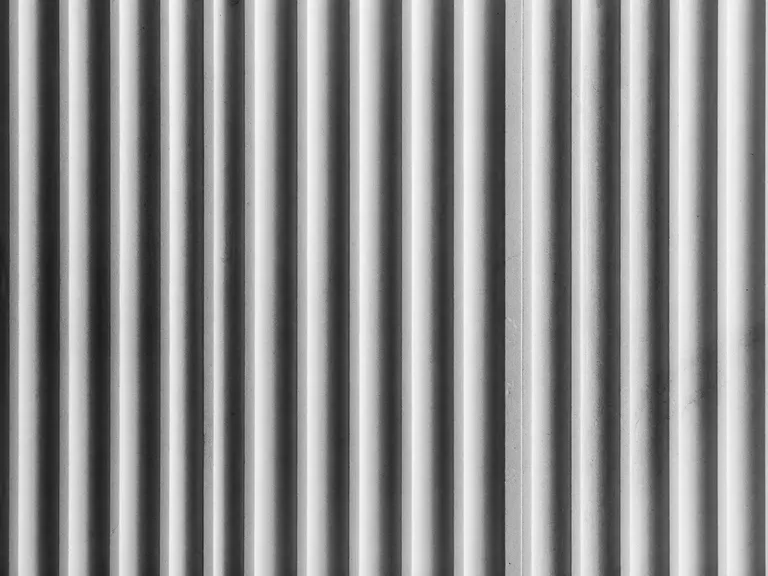
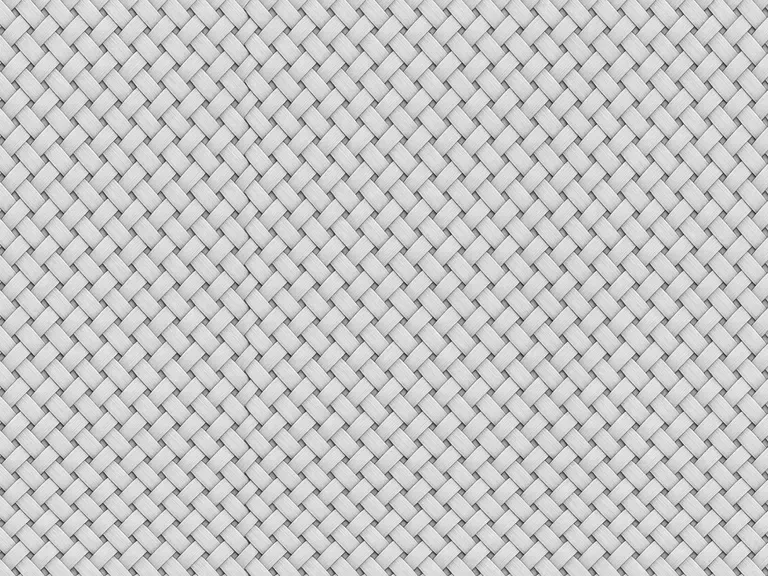
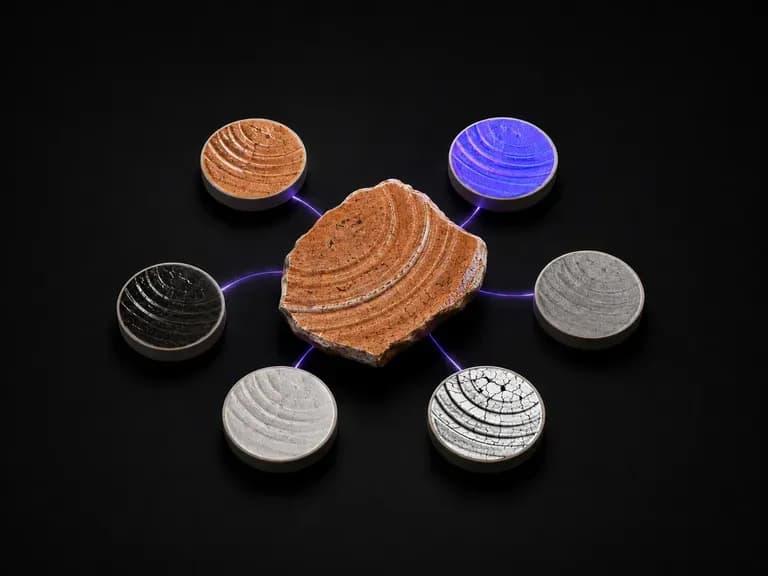
Turn a surface snapshot into six PBR-style showcase outputs spanning a material sphere, ambient occlusion, roughness, albedo, metallic, and normal renders.
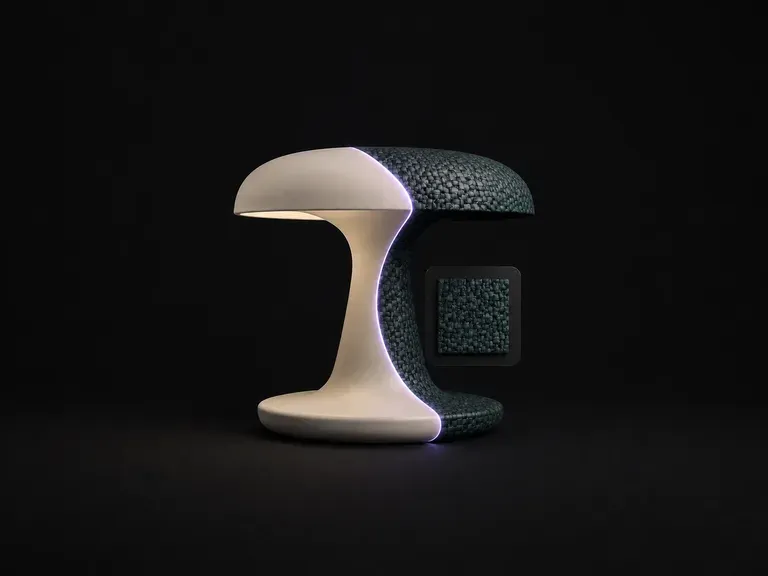
Wrap a reference stone, fabric, or metal finish tightly onto an existing product render while holding original geometry contours fixed.
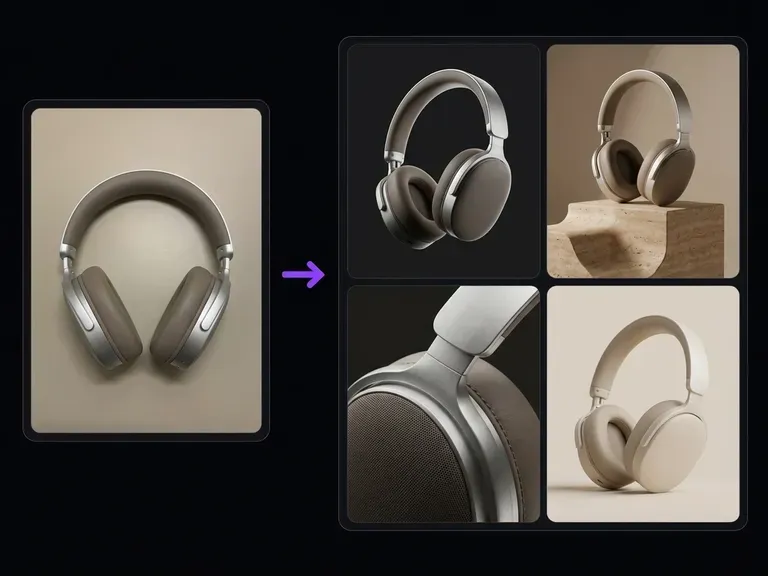
Turn sketches or rough camera photos into studio product shots illuminated across brushed aluminum, frosted glass, or matte ceramics.
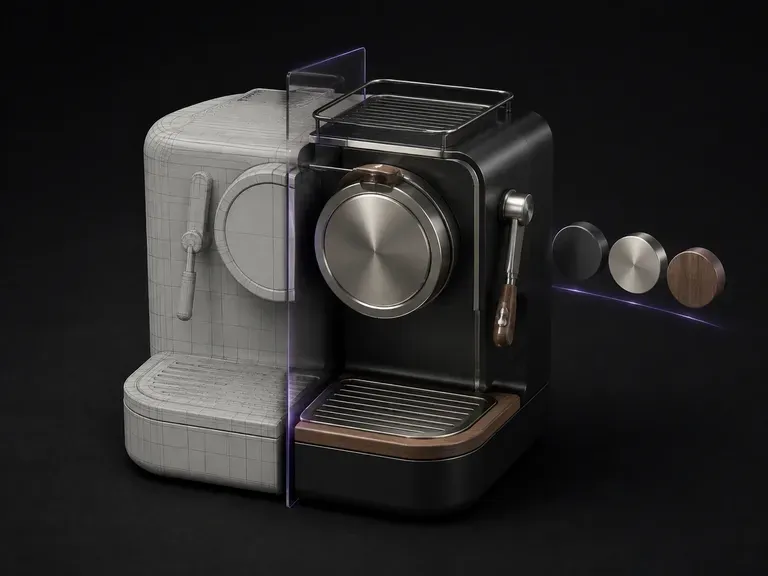
Paint realistic wood, lacquer, and leather materials directly onto monochrome gray 3D clay passes keeping camera framing intact.
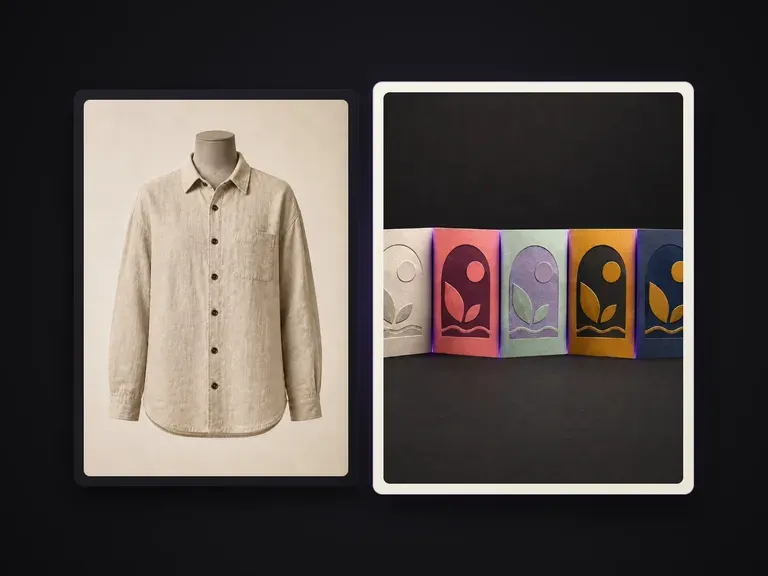
Pull flat, unwrinkled repeating fabric patterns smoothly off folded garments or pillow uploads prior to surface texture work.
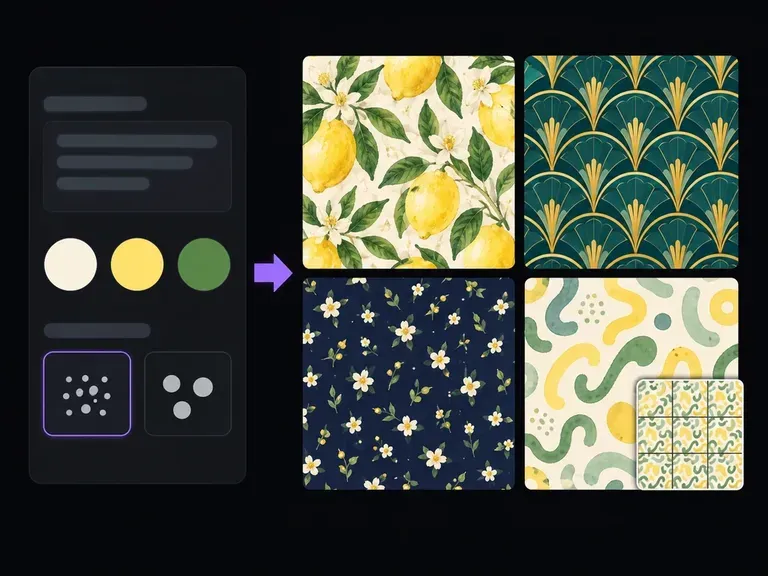
Invent organic floral repeats, geometric ceramic grids, or illustrated surface motifs from words before creating height relief maps.
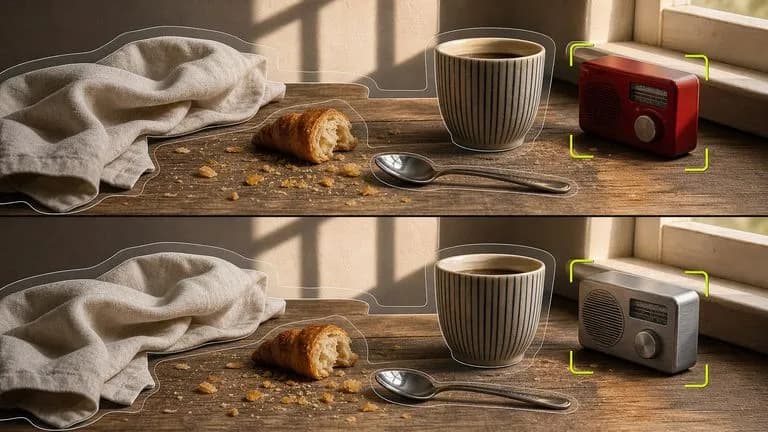
Track source photography cracks, brick courses, and stitch seams firmly when translating color textures toward neutral gray height values.

Render micro-leather pores, textile warp strands, and wood grain height relief sharply up to 4K raster dimensions.

Follow detailed elevation notes keeping sunlit masonry plateaus near bright white while routing deep narrow joints into dark charcoal.
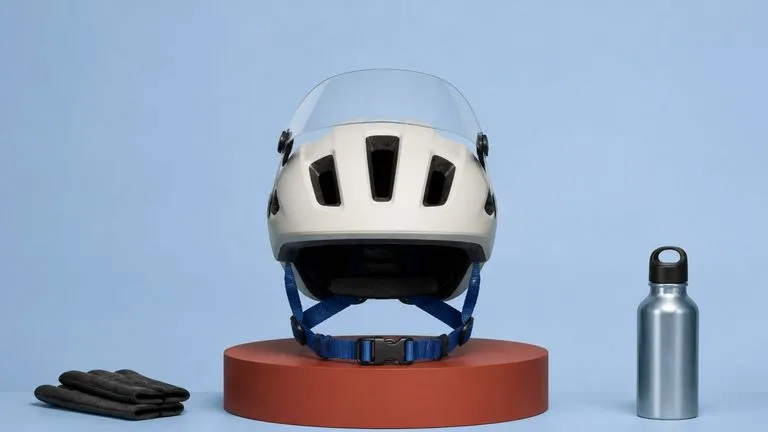
Generate gradual height transitions across curved tree bark ripples, cloth fold undulations, and pitted slate slabs without tonal banding.

Draft weathered cliff relief, distressed copper tooling marks, or coarse handmade paper fiber height textures purely from descriptive prompts.

Compare soft micro-grain against deep brick crevices at low credit cost before dialing higher 4K output detail.
Drop a surface capture or write clear elevation notes, generate 8-bit grayscale height passes, and inspect groove depth before baking final shaders.