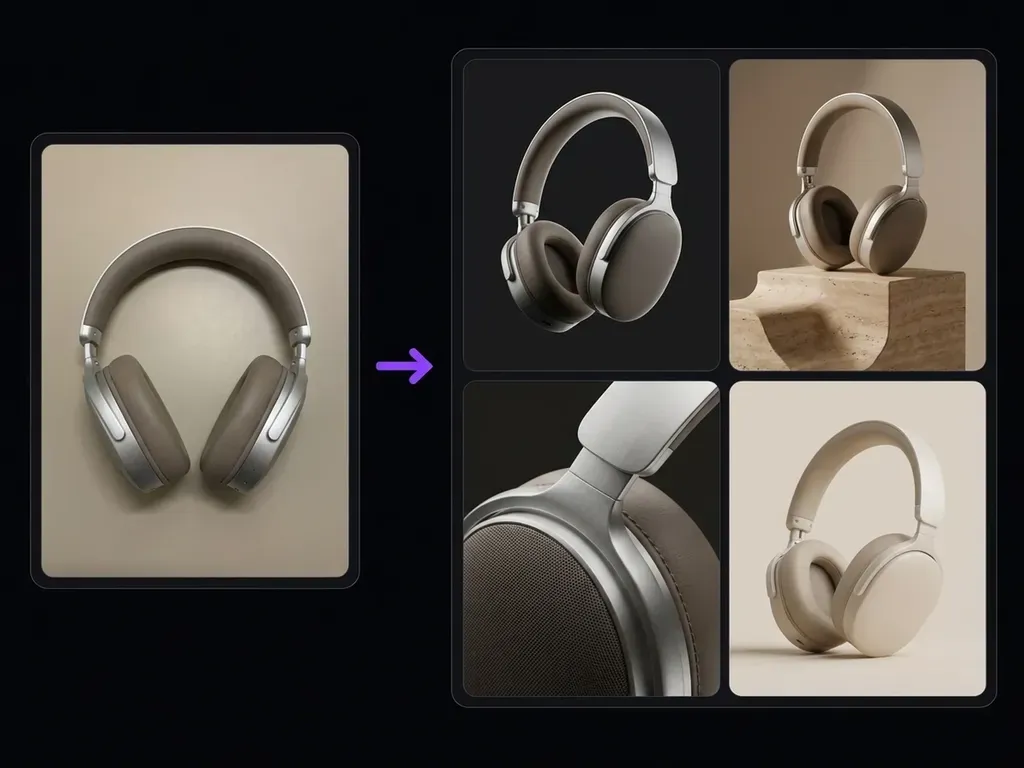

Multi input
Reference Photo or Sketch Input
Feed an existing bench prototype snapshot, ink silhouette drawing, or written appearance brief without building polygon meshes from scratch.
Upload a product photo, ink sketch, or hardware spec, then set target surface materials and lighting angle in Virse. This 3D product rendering workflow lets teams inspect metal sheen, optical glass refraction, and polymer textures on 2D stills before tooling molds or rigging heavy CGI scenes.
AI 3D product rendering turns reference photos, pencil line sketches, or written hardware briefs into 2D commercial studio shots with believable metallic luster, glass caustics, and plinth shadows. Name desired materials, camera elevation, and key light angles to stack finished concept stills together on the Virse canvas before commissioning agency CGI shoots or building 3D mesh scenes.
Browser concept passes address three workflow needs upfront:
• Flexible photo, sketch, or text starts: Unlike Virse Clay Model Render which reads grey clay geometry passes alone, start from phone snaps, pen drawings, or written product specs.
• Controlled CMF and studio bounce light: Pair brushed brass knobs, translucent amber polymers, ceramic glazes, or woven speaker textiles with overhead spotlights or travertine pedestals.
• Explicit 2D static raster limits: Results export only as flat 2D images with no downloadable OBJ, FBX, GLB, or STEP CAD meshes and zero engineering tolerance checks.

Tailored for industrial founders and e-commerce launch teams running a studio product render generator before ordering tooling molds.
Feed an existing bench prototype snapshot, ink silhouette drawing, or written appearance brief without building polygon meshes from scratch.
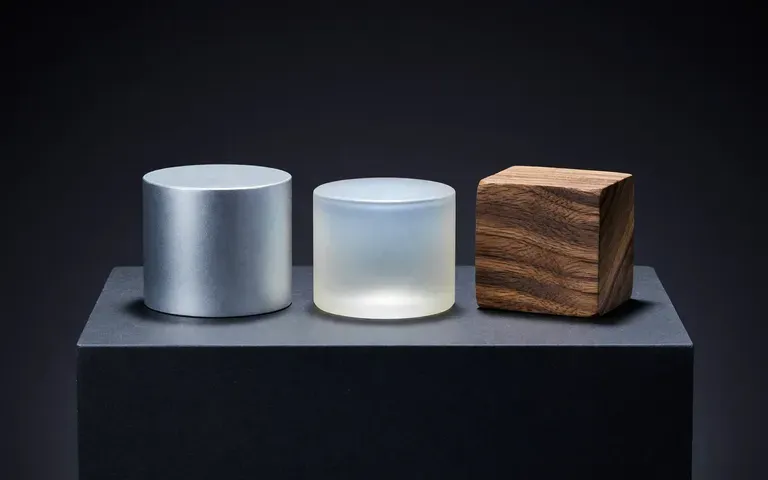
Audition bead-blasted titanium, optical amber plastic, glazed stoneware, or woven wool surfaces across one consistent hardware concept.

Shape narrow rim highlights, defined plinth drop shadows, and translucent glass caustics over dark stone, raw concrete, or smooth studio backdrops.
Generating flat 2D lighting studies upfront keeps hardware teams aligned prior to committing multi-hour desktop ray tracing budgets.
Traditional 3D Modeling & Agency Pipelines
Virse AI 3D Product Rendering
Upload a sharp hardware prototype photo, architectural line sketch, or clear written overview covering housing proportions and physical controls.
Describe surface grains like satin black aluminum or ribbed glass alongside pedestal stone and rim spotlight direction.
Launch separate passes when comparing top-down angles against low hero views so candidate product 3D rendering options gather on canvas.
Zoom into USB ports, knurled switch spacing, hinge lines, and molded branding lettering before placing stills into launch pitch decks.
Combining housing geometry, surface texture, light position, and surface grounding holds industrial realism steady across 3D product renders:
• Brushed brass espresso dial: "Commercial studio hero shot of a cylindrical countertop grinder, brushed brass top lid, matte graphite aluminum barrel on honed slate plinth, narrow upper-left rim light."
• Ribbed skincare amber flacon: "Low hero angle of an unbranded vertically ribbed translucent amber glass dropper bottle on pale travertine block, warm morning window shadow refraction."
• Woven acoustic speaker: "Three-quarter angle of a compact wireless desktop speaker wrapped in charcoal heather wool fabric with chamfered champagne metal control dial, continuous warm grey studio wall."

Four hardware and product groups inspecting CMF palettes and lighting concepts prior to committing agency CGI retainers.
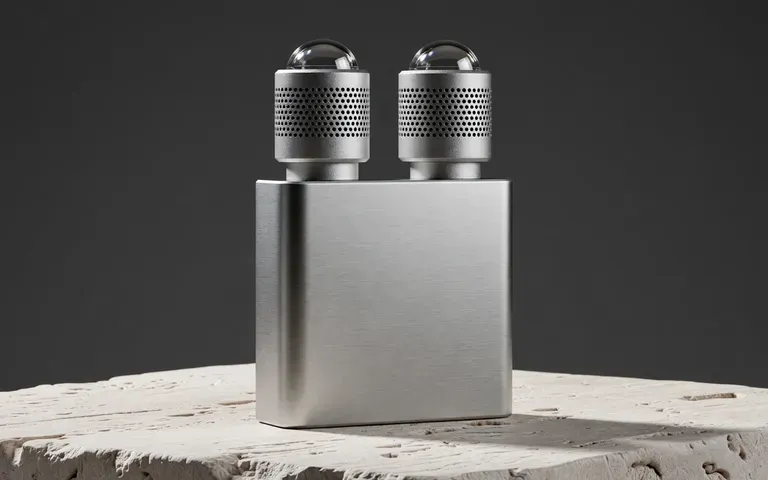
Turn early benchtop circuit mockups or pencil sketches into investor pitch hero images before factory aluminum tooling finishes.
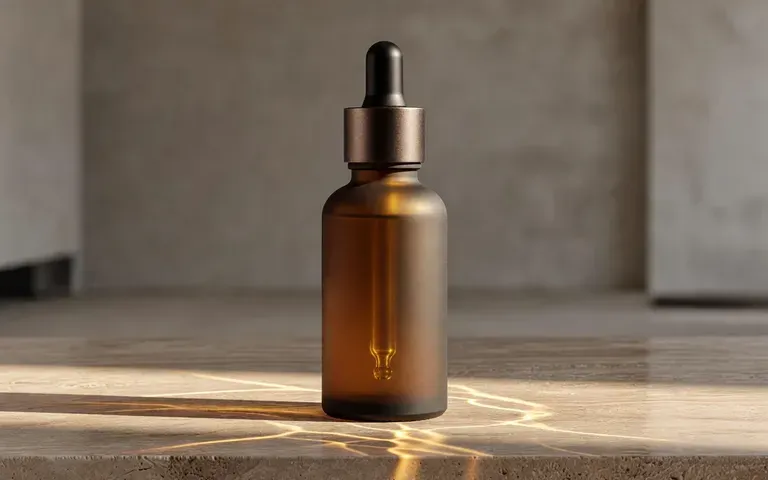
Preview fluted glass bottles, anodized spray collars, and bottle silhouettes across stone plinths prior to glass-mold manufacturing.
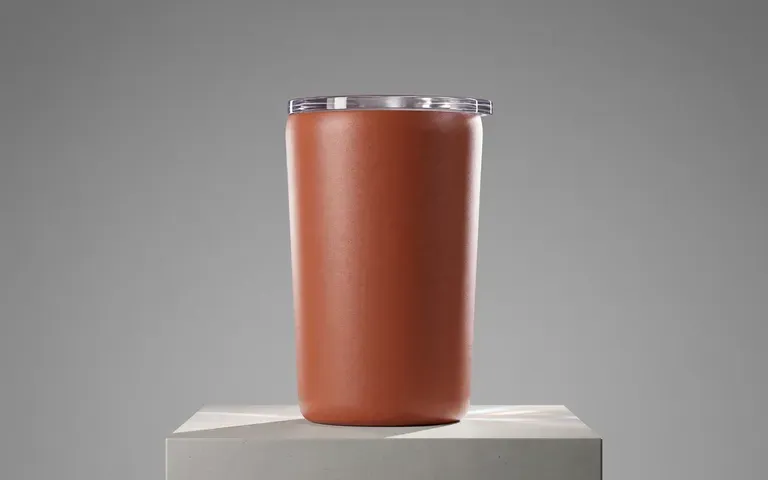
Test matte sage, terracotta, and obsidian finishes for insulated drinkware or home gadgets when listing visuals require uniform lighting.
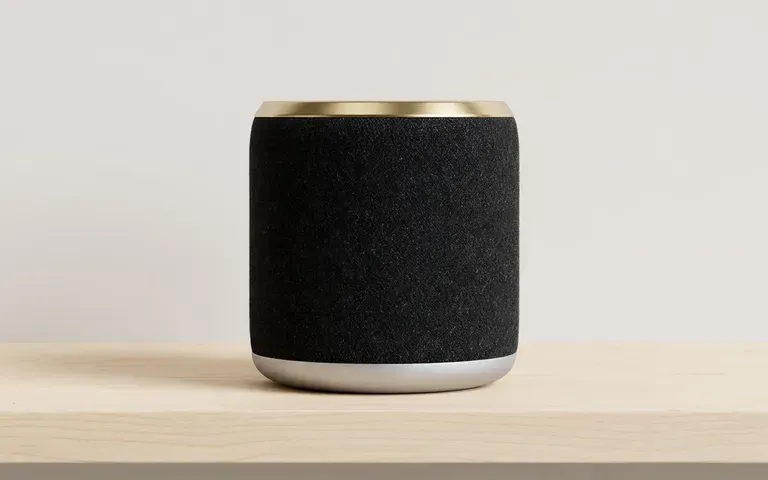
Audit anodized aluminum grains alongside knurled polymer knobs and knitted mesh covers without building heavy KeyShot light rigs.
Six 2D studio product render studies spanning kitchen ceramics, translucent plastics, brushed titanium, over-ear headphones, glassware, and steel tools.
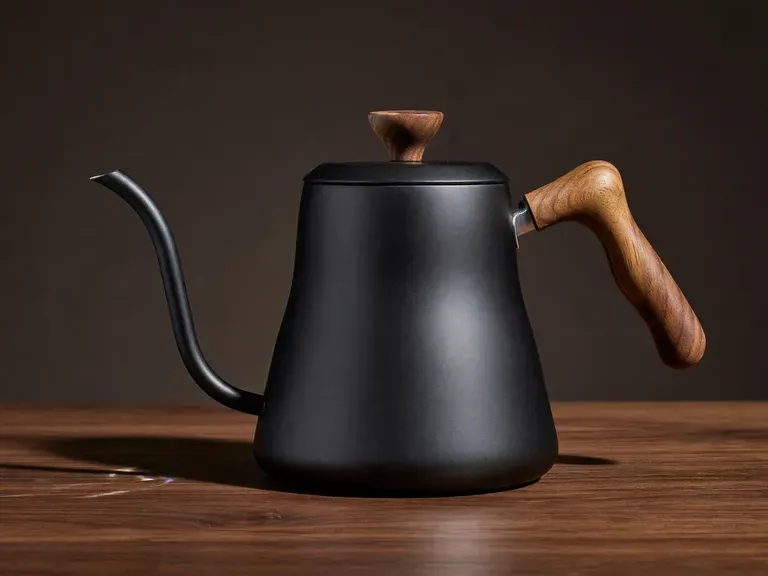
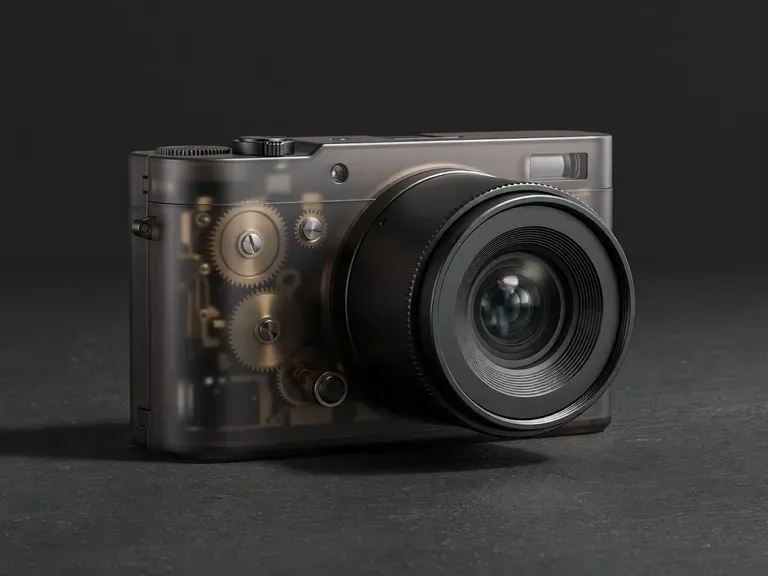
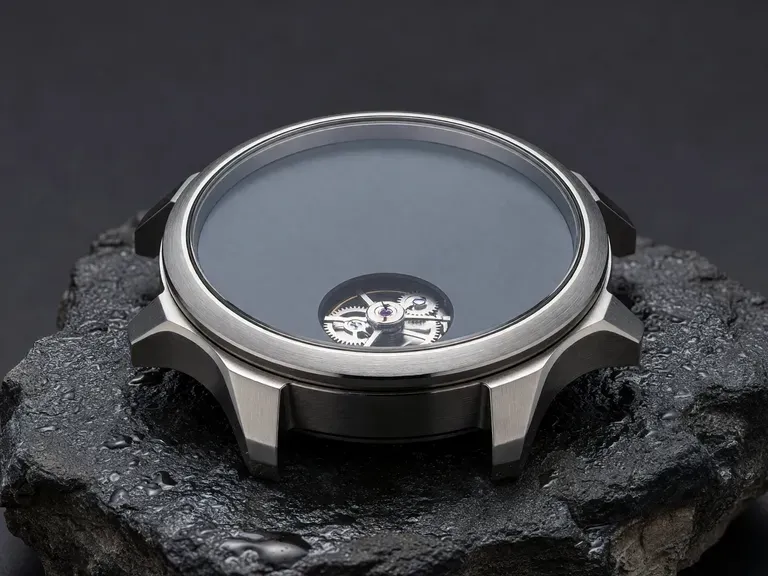
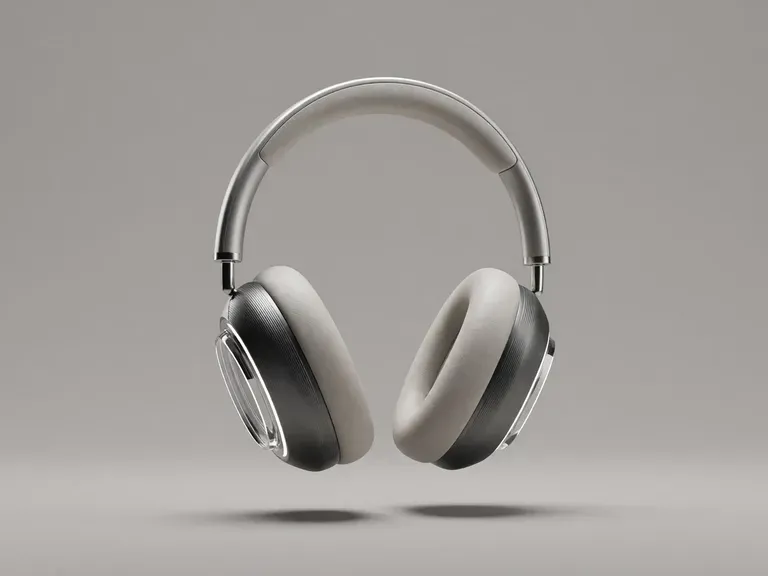
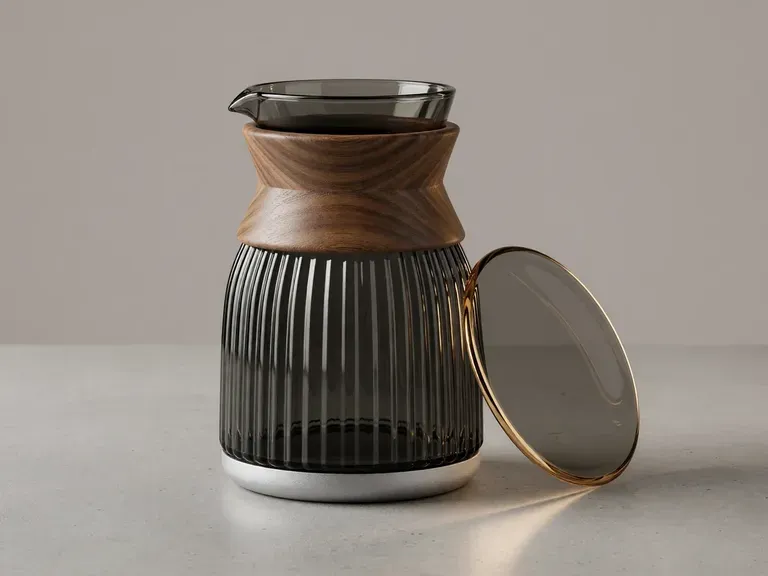
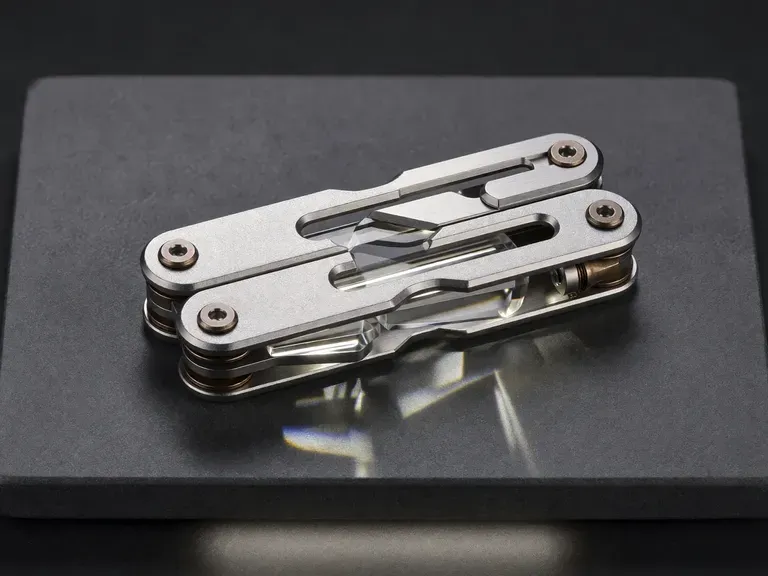
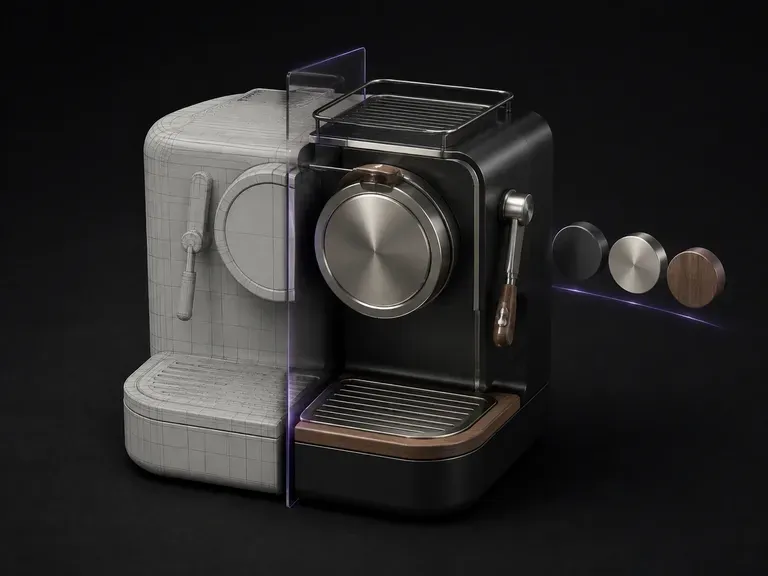
Start from an uploaded grey 2D render pass when you want colorway swaps while keeping the original camera framing locked.
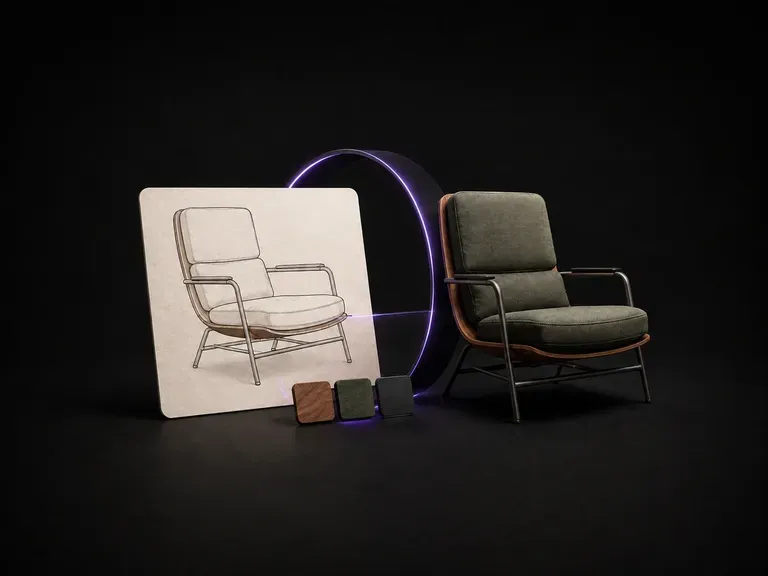
Wrap photographic leather, steel, or oak finishes from a reference onto uploaded ink line drawings of a product.
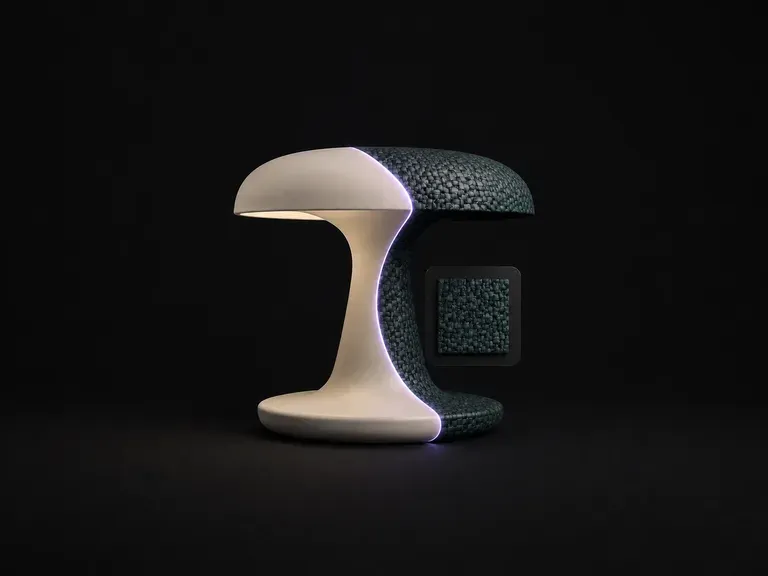
Swap material textures like brushed copper onto an existing hardware photo while geometry stays right where shot.
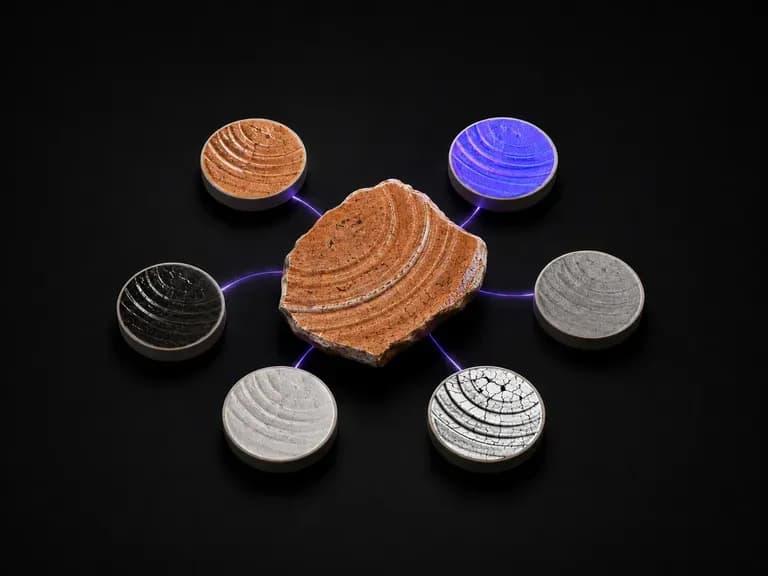
Sample any real-world material photo to extract a six-piece PBR-style reference set covering material sphere, albedo, normal, roughness, metallic, and AO.
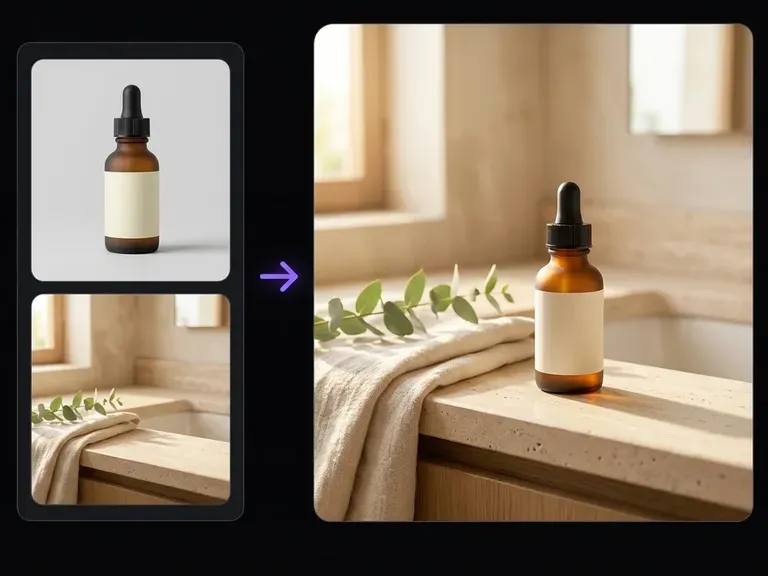
Drop finished packshot photos directly into lived-in kitchens, bath vanities, or outdoor terrain after finalizing finishes.
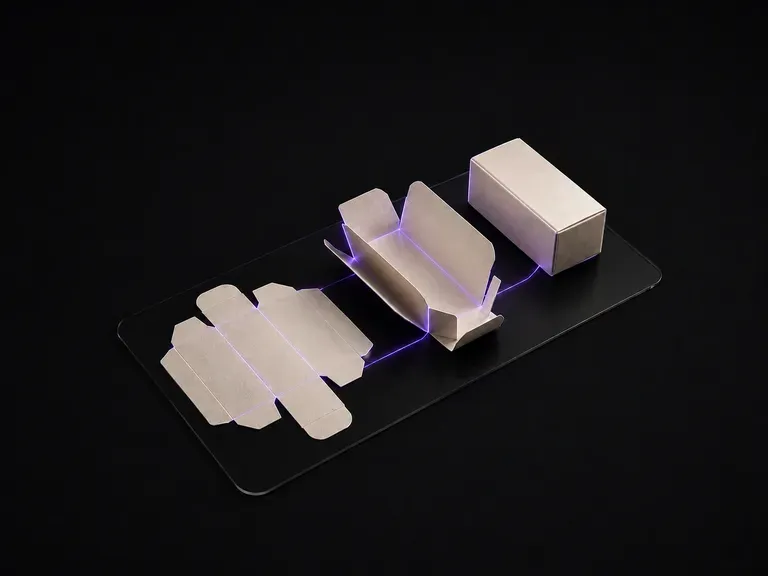
Fold flat carton artwork blueprints into 3D paperboard box mockups without building folding geometry planes manually.
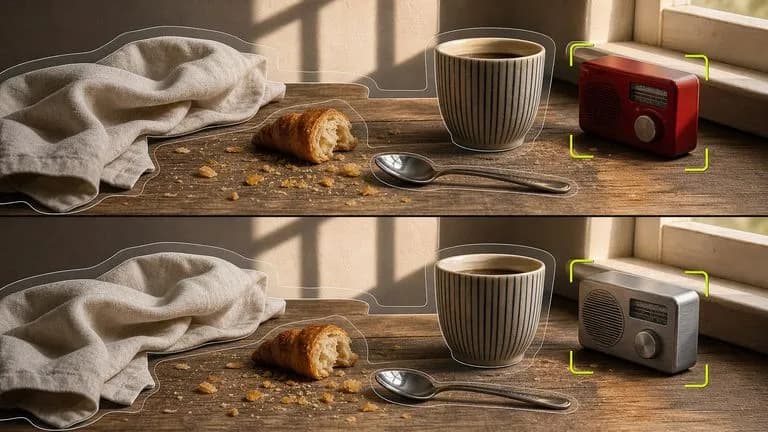
Apply targeted metal or paint changes onto photographed prototype shells without warping port geometry or bezel corners.

Deliver smooth 1K Free tests or high-detail 4K studio reflections across glass refraction edges and machined micro-chamfers on paid runs.

Follow detailed multi-material briefs calling out anodized metal collars alongside woven speaker fabric and travertine bounce shadows.
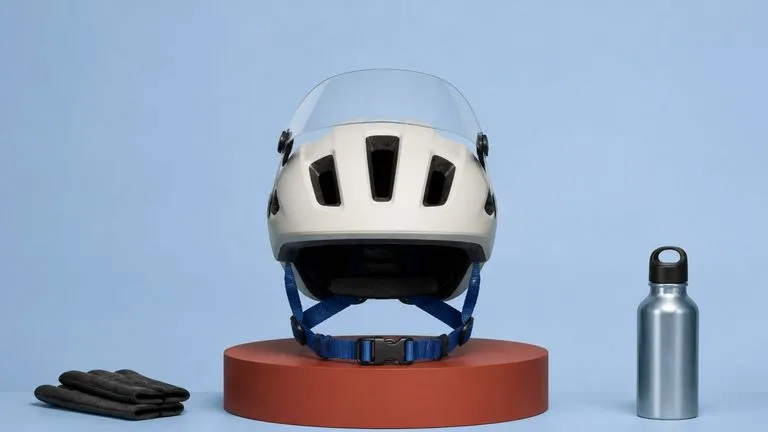
Parse full CMF specifications and directional softbox requirements across intricate multi-part hardware assemblies accurately.

Explore dramatic editorial contrast, warm golden rim lighting, and atmospheric studio pedestal styling in early launches.
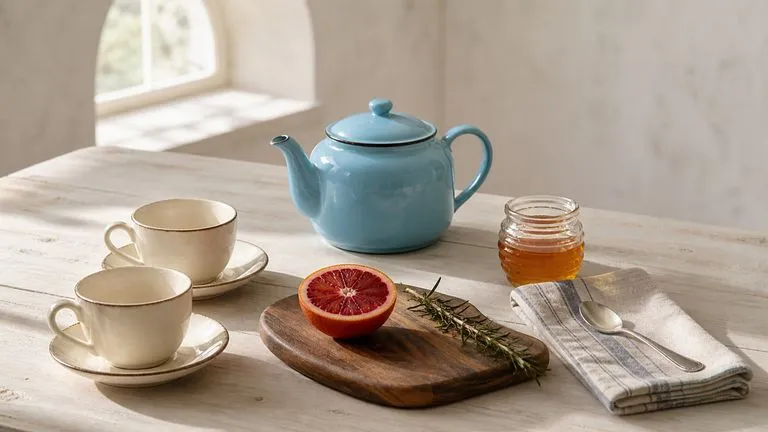
Honor detailed multi-material briefs spanning brushed metal rings, smoked glass lids, and matte bases without averaging requirements away.
Start from a prototype snap, ink sketch, or CMF material brief on Virse, test brushed metal, ceramic, or glass studio lighting, and evaluate concepts in one browser workspace.