
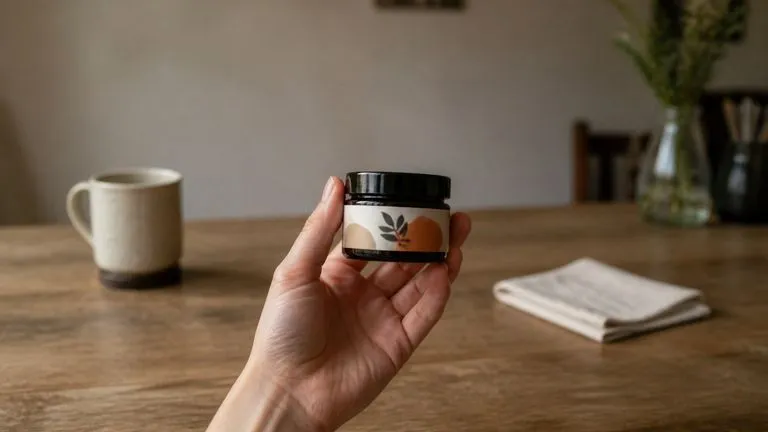
Fixed
The product stays exact
This is the constraint that separates a usable UGC shot from a render. Packaging, label and proportions come from your photo unchanged. The scene, the hands and the framing are generated around it.
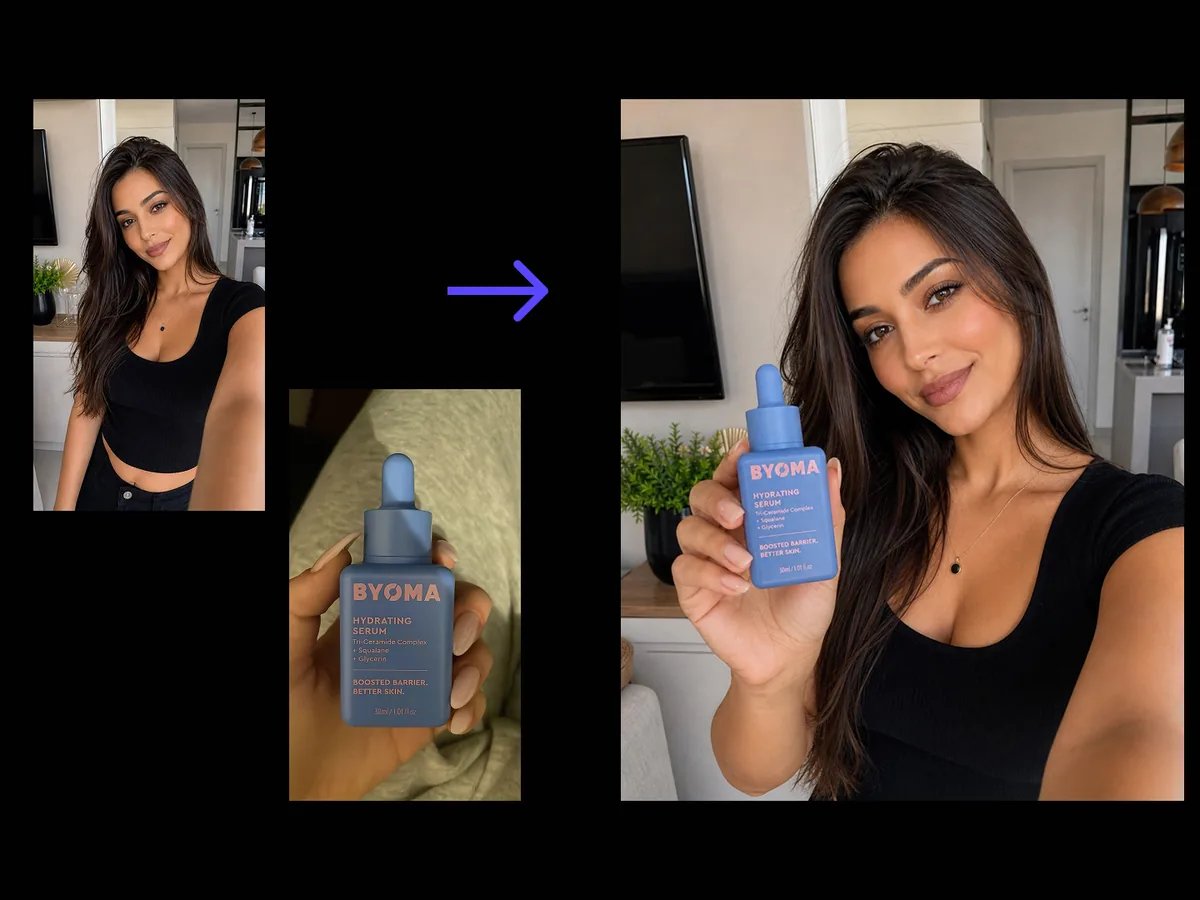
Upload your product and pick a platform. You get a social-media style photo of someone holding it, shot the way a customer would shoot it. The platform sets the aspect ratio and the visual register, and the product itself stays exact.
An AI UGC photo generator produces the kind of photo a customer would post: handheld, casually lit, obviously not a studio shot. The scene and the hands are generated. The product is the one thing carried straight over from your own photograph.
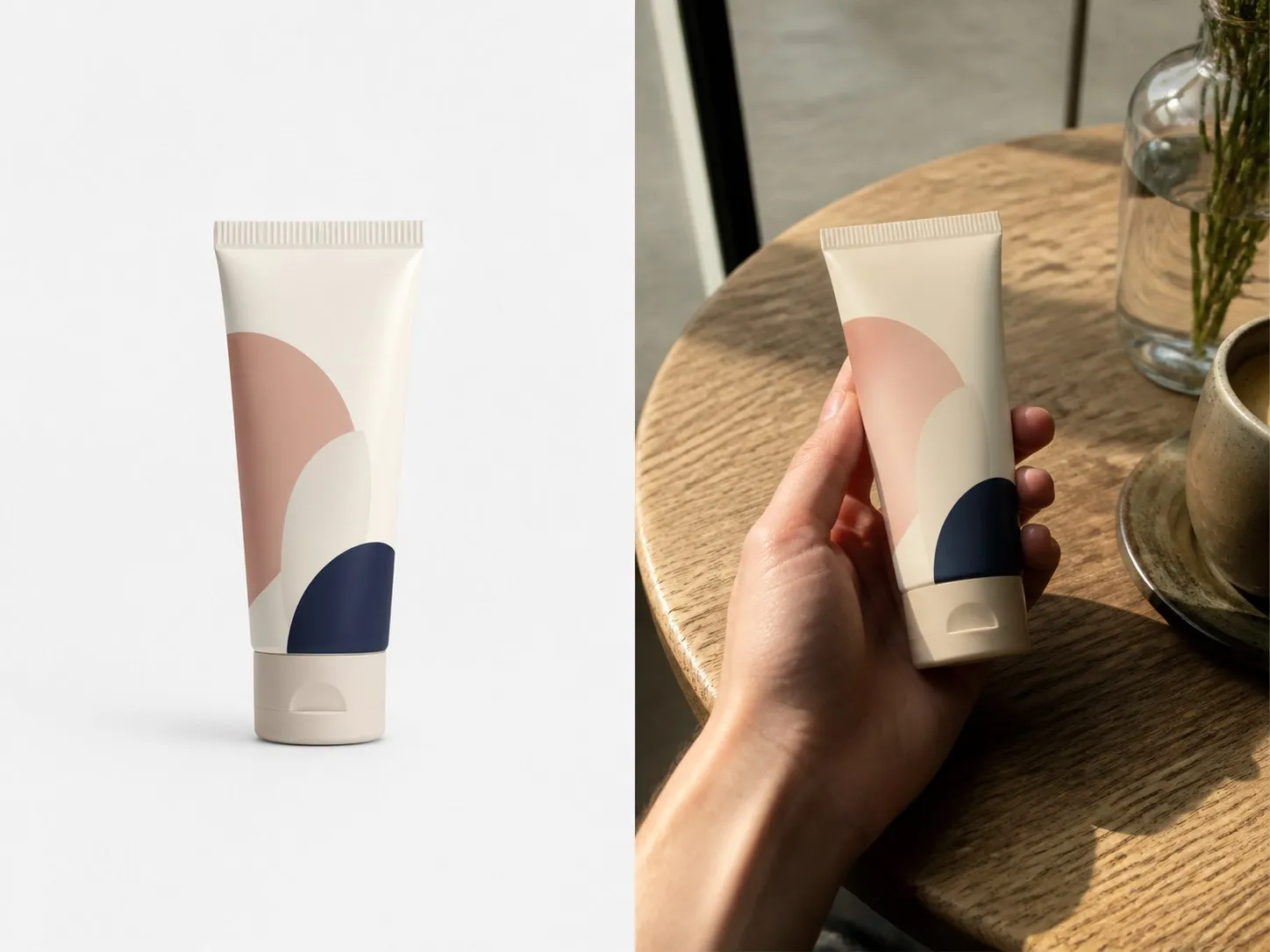
One required photo, one platform choice, and two optional inputs. Here is what each one moves.
This is the constraint that separates a usable UGC shot from a render. Packaging, label and proportions come from your photo unchanged. The scene, the hands and the framing are generated around it.
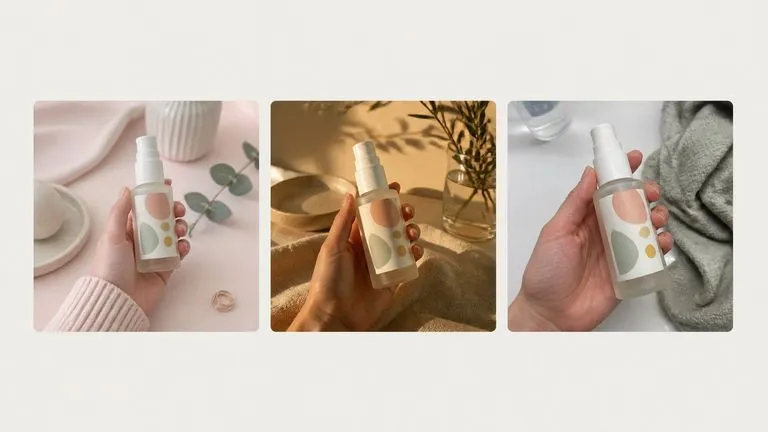
Xiaohongshu, Instagram, TikTok or Generic. It is not only the aspect ratio. A shot that reads as native on TikTok looks wrong on Xiaohongshu, so the styling, the tidiness and the light move with the choice.
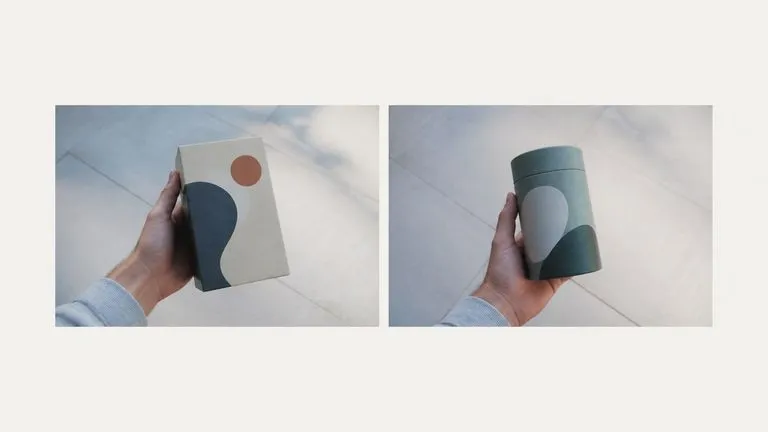
Add a UGC photo whose feel you want and the result follows its register rather than the default. This is how a brand keeps a run of creator-style posts looking like they came from the same world.
A packshot on white works. So does a shot on a desk. The label needs to be readable, because it is carried over rather than redrawn.
This sets both the ratio and how polished the result reads. Pick Generic if the image is going somewhere other than a social feed.
Held over a table, in a bathroom, mid-unboxing, face in frame or not. One line, and it is what keeps the image from reading as generic.
The shot lands on a fresh Virse canvas. Change the platform and re-run, adjust the scene notes, or take it into an edit without exporting anything.
Teams who need creator-style images at a volume no creator roster covers.
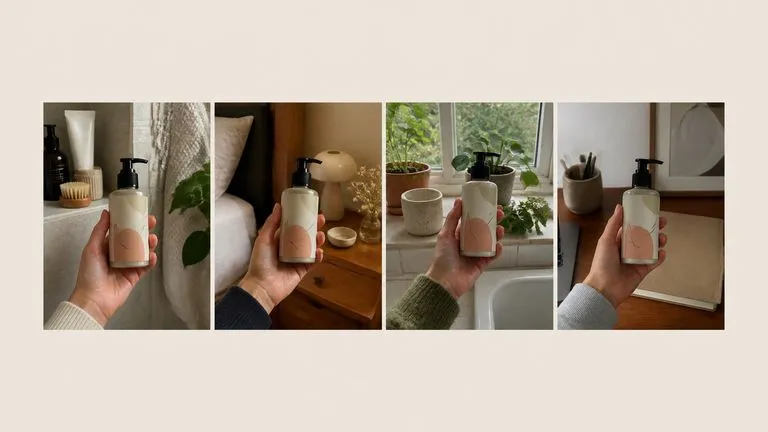
Fill the lifestyle slots on a listing with images that look like customer photos, using the packshot you already have.
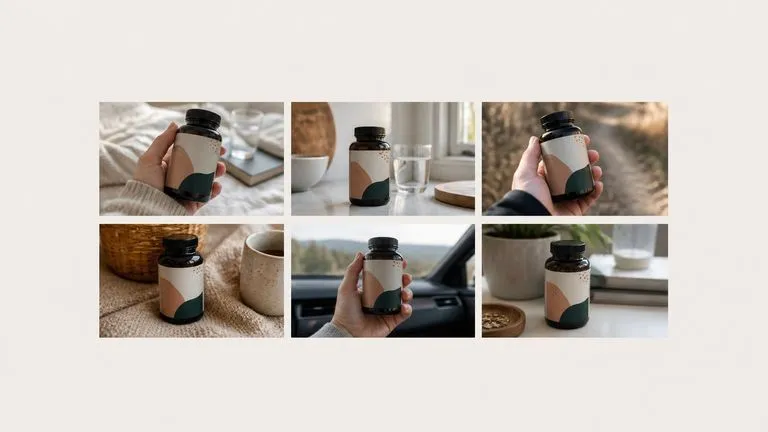
Test ten creative angles before committing spend, without briefing ten creators to find out which one works.
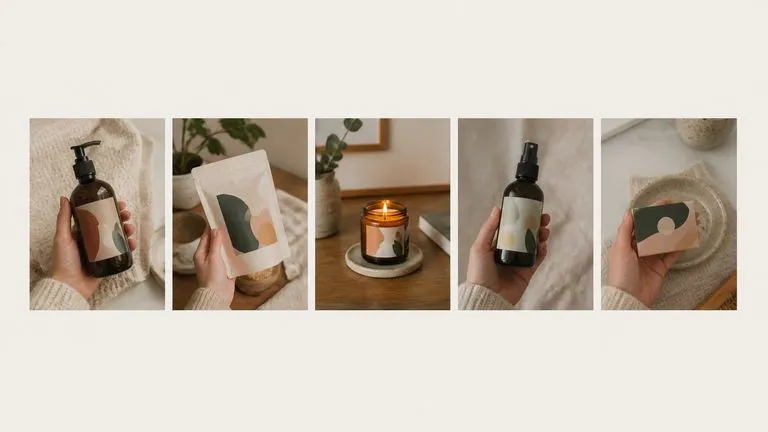
Keep a feed running between real creator drops, with images that sit in the same register rather than jumping to studio polish.
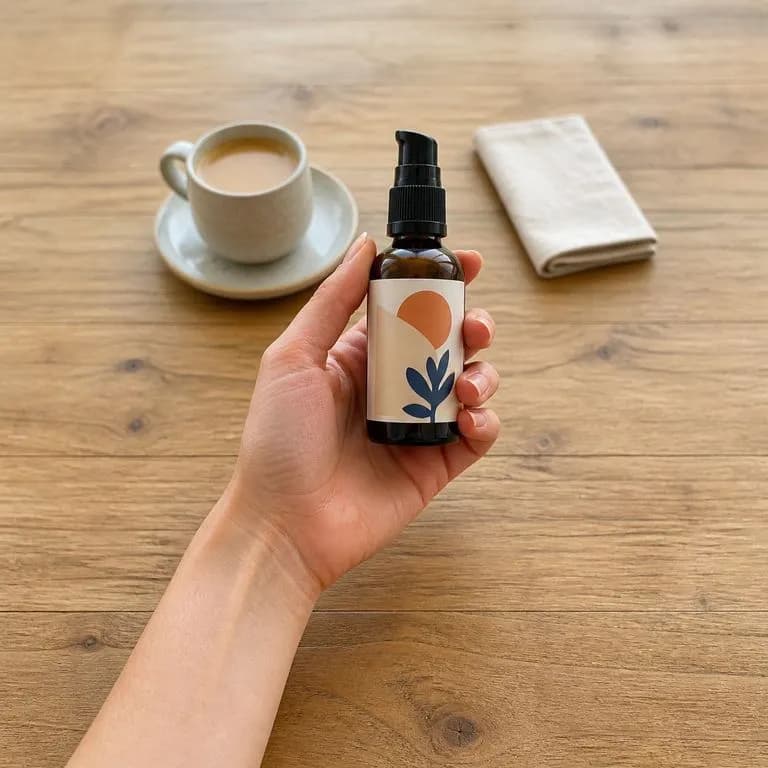
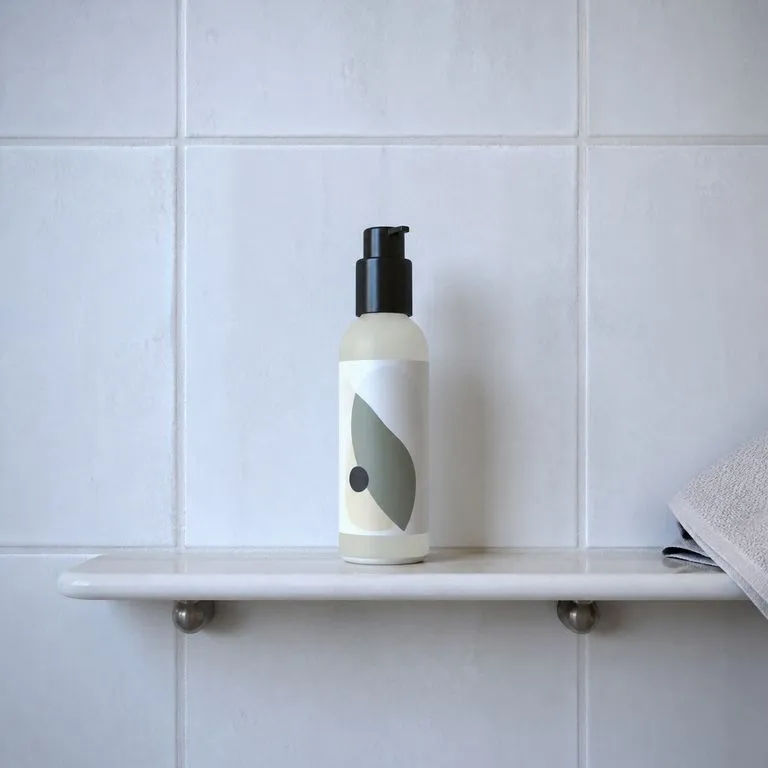
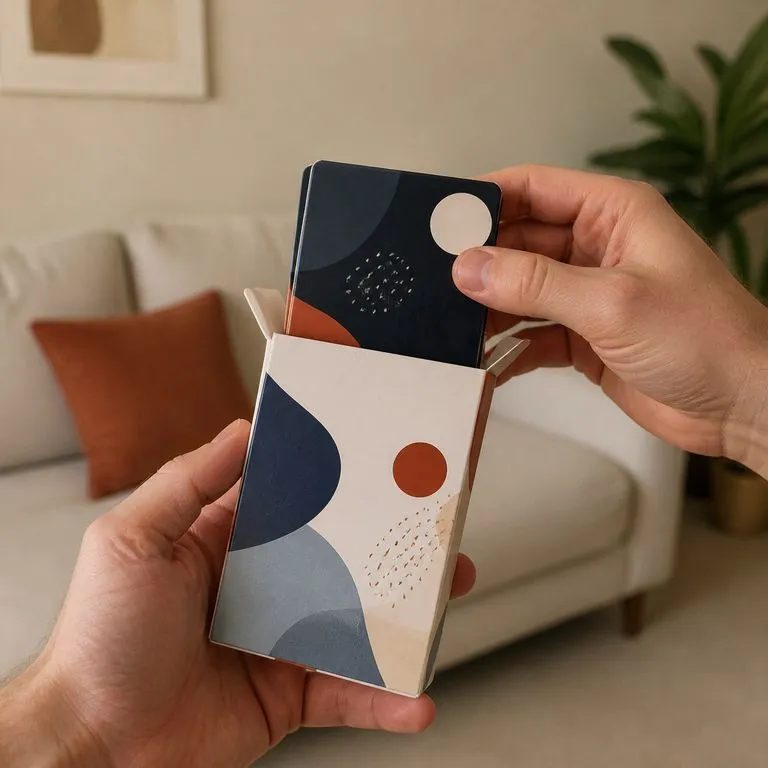
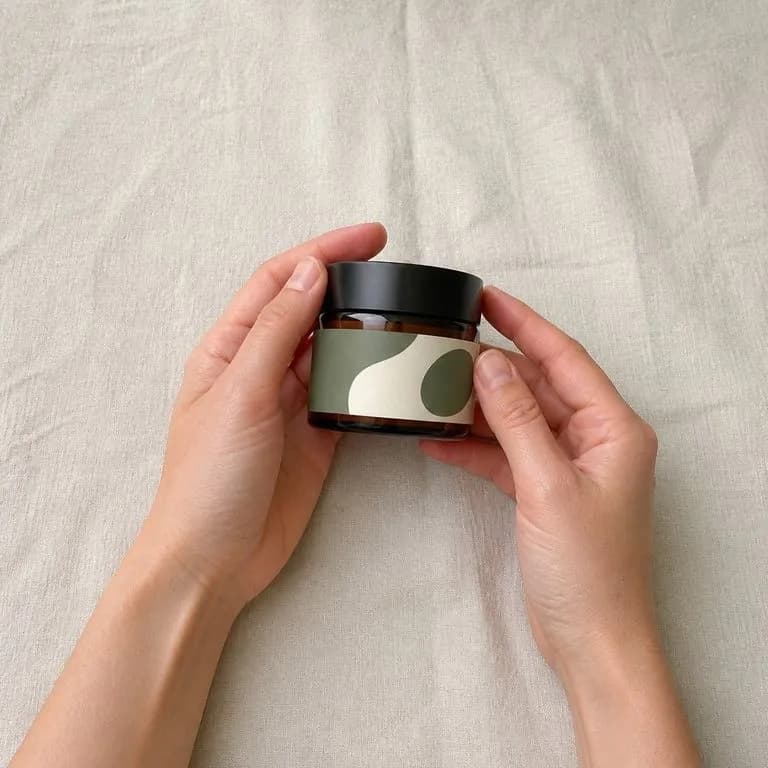
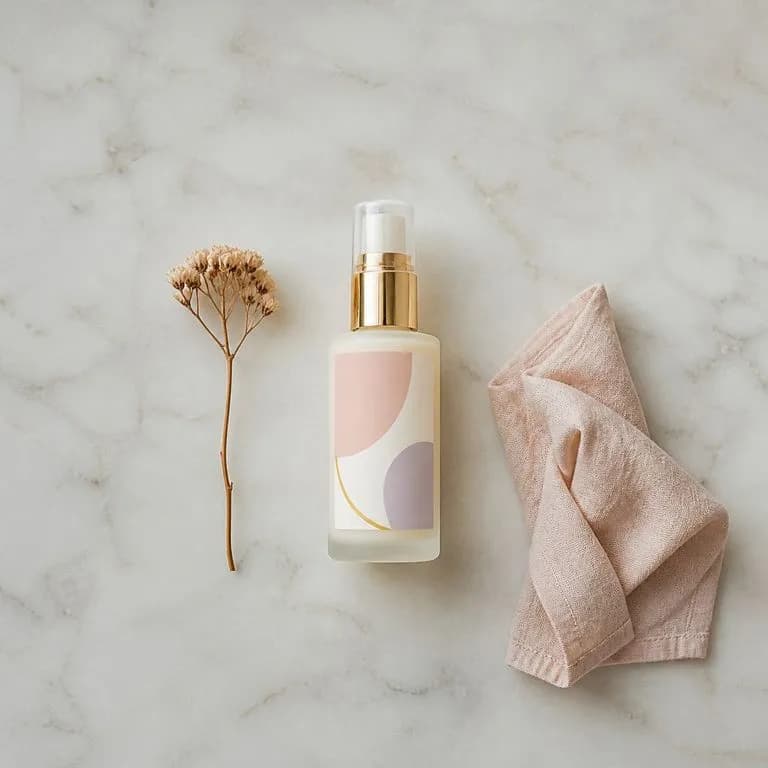
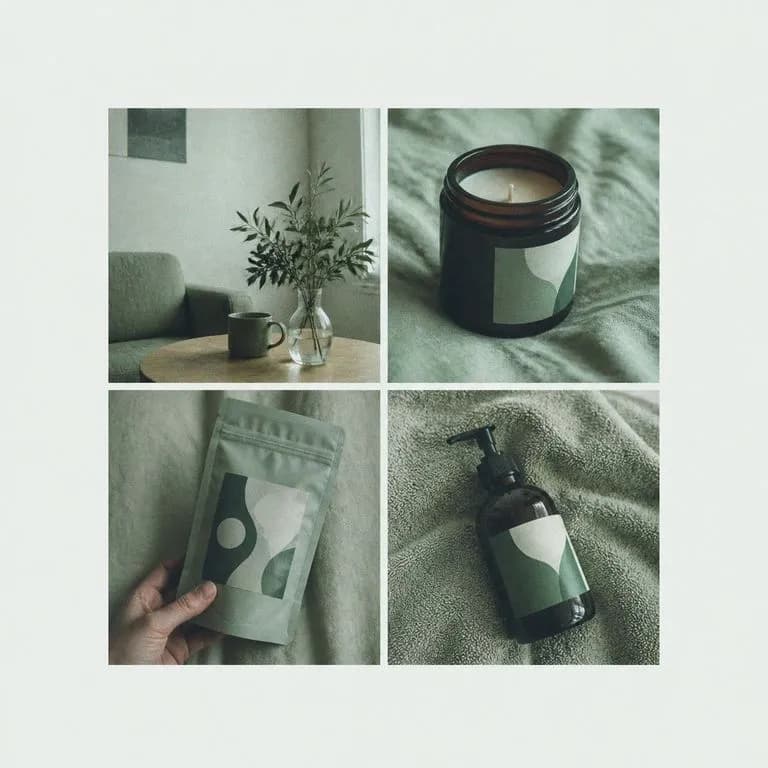
The point of this format is that it does not look produced. That changes what the tool should be doing.
A polished product render
The Virse UGC generator
Start here. Drop the product photo in, pick a platform, and the shot opens on a fresh Virse canvas where nothing runs until you press Start.