
Gardez chaque ressource créative dans son contexte
Organisez moins. Créez plus.
La gestion des ressources Virse conserve les références, les visuels générés, les ressources de projet et les productions créatives connectés au travail auquel ils appartiennent. Aucun fichier éparpillé. Aucun contexte perdu. Pas de redémarrage à zéro.
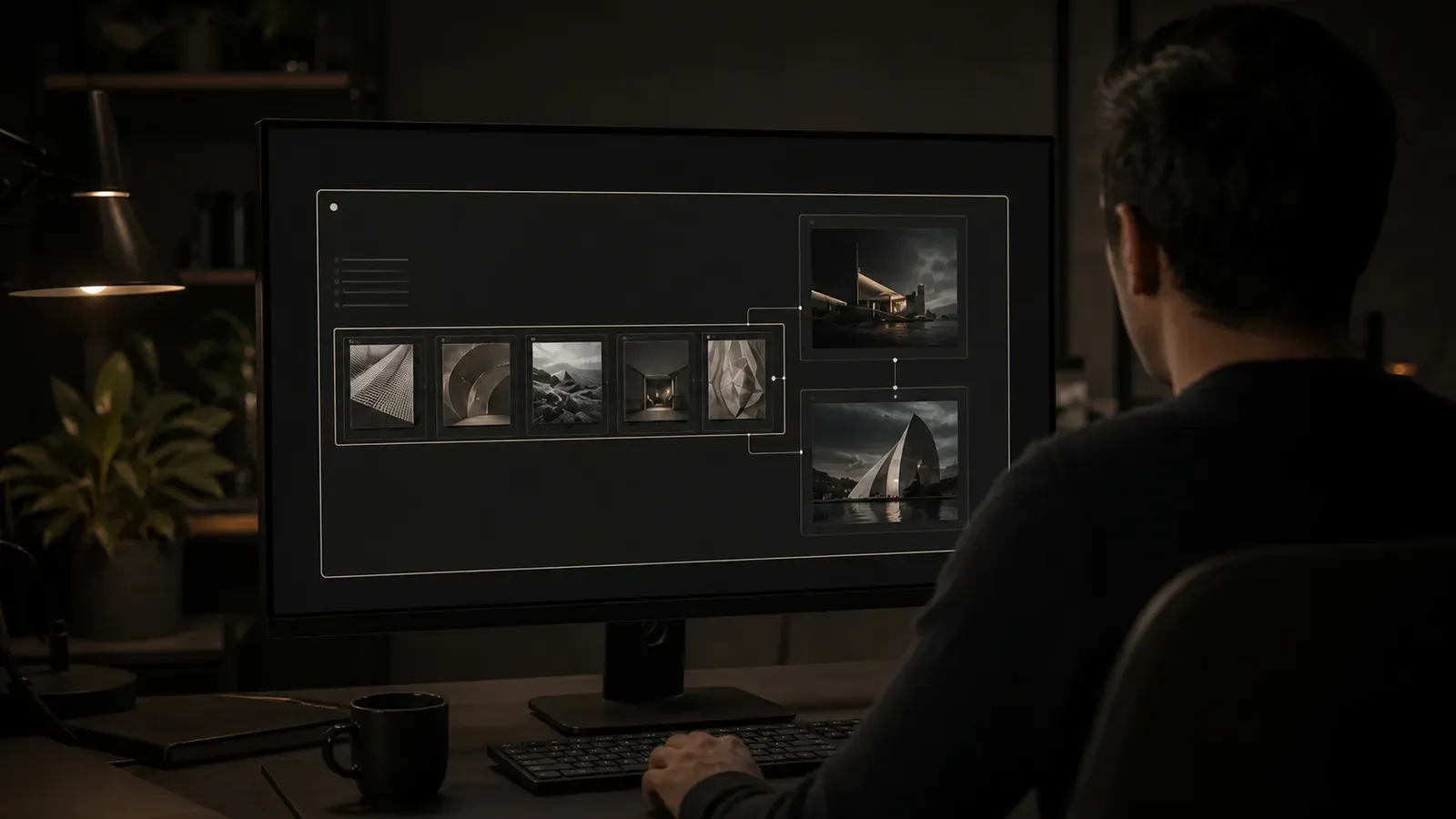
Plus qu’un stockage de fichiers
Des ressources qui restent connectées au processus créatif
Les ressources créatives sont plus utiles lorsque vous savez d’où elles viennent, comment elles ont été utilisées et à quoi elles se rapportent. Dans Virse, les références, les productions, les groupes et le contexte du projet restent ensemble au sein du même flux de travail — vos ressources restent partie intégrante du contexte créatif.
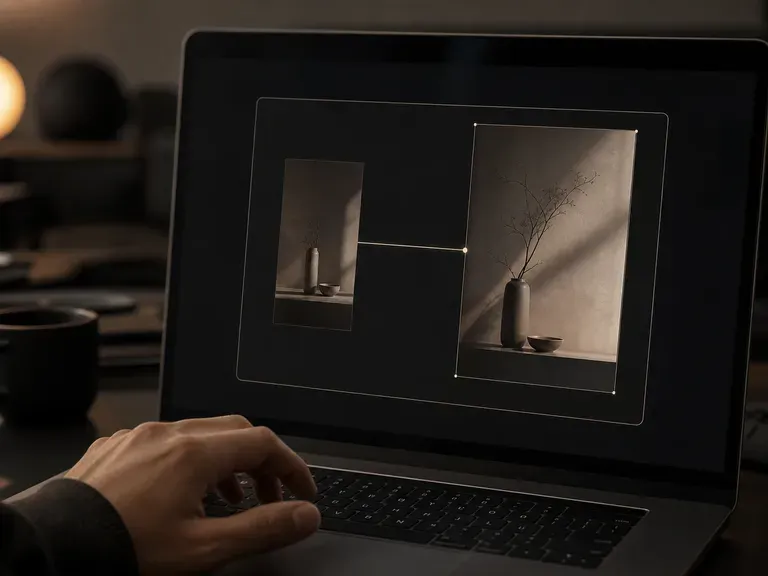
Réutilisez ce qui fonctionne déjà
Un bon travail créatif ne devrait pas disparaître après un seul projet. Réintégrez des références précédentes, des orientations approuvées et des ressources visuelles dans de nouveaux flux de travail sans reconstruire le contexte à partir de zéro.
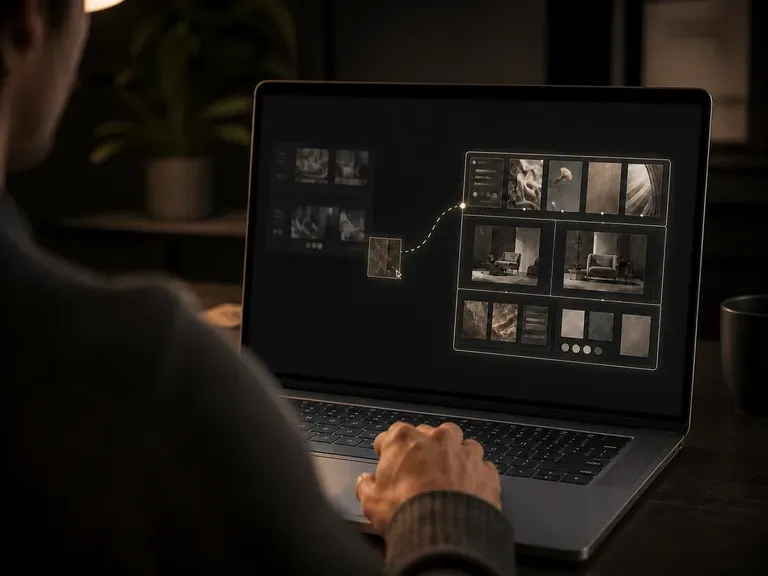
Maintenez une cohérence visuelle entre les projets
Lorsque les équipes travaillent avec des bibliothèques croissantes de références et de contenu généré, la cohérence devient plus difficile à maintenir. Virse aide à garder le bon contexte visuel disponible lors de la création de nouveaux travaux — réutilisez l’orientation, étendez le système, maintenez le standard.
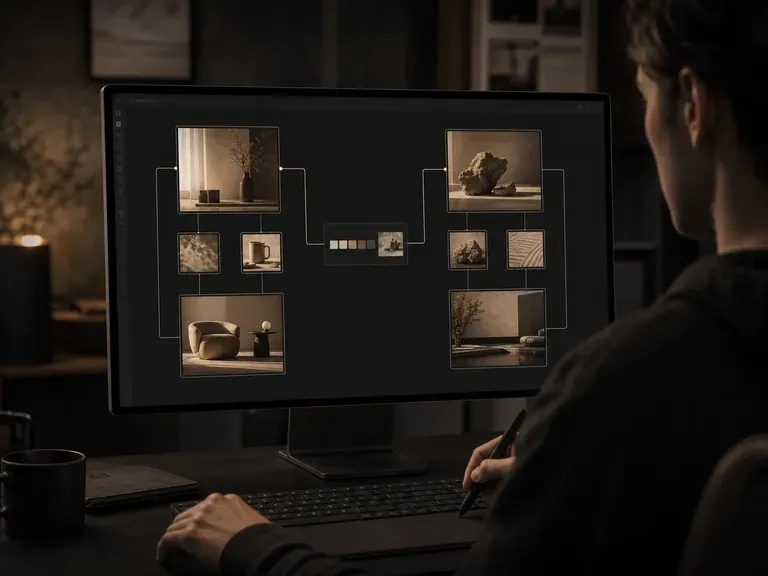
Des ressources que votre IA peut comprendre
Votre bibliothèque de ressources n’est pas séparée de votre flux de travail IA. Les Agents Virse peuvent travailler avec les références et les éléments créatifs déjà présents dans le projet, les aidant à comprendre à partir de quoi construire et avec quoi rester cohérents.
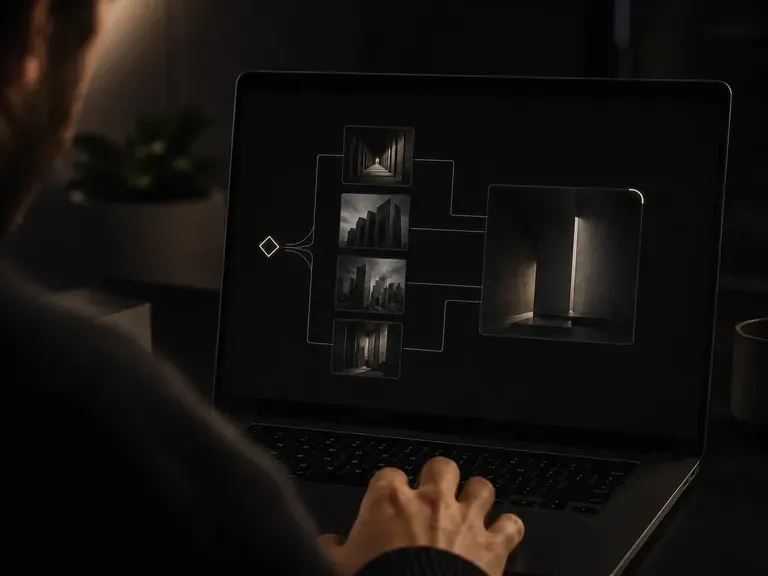
Un seul endroit pour les références et les productions
Gardez les ressources qui sous-tendent votre travail à proximité de celui-ci : références visuelles, images générées, pistes retenues, variantes de projet, ressources de production et précédentes créations.
Tout reste organisé autour du projet, au lieu d’être dispersé entre des dossiers, des discussions et des outils.
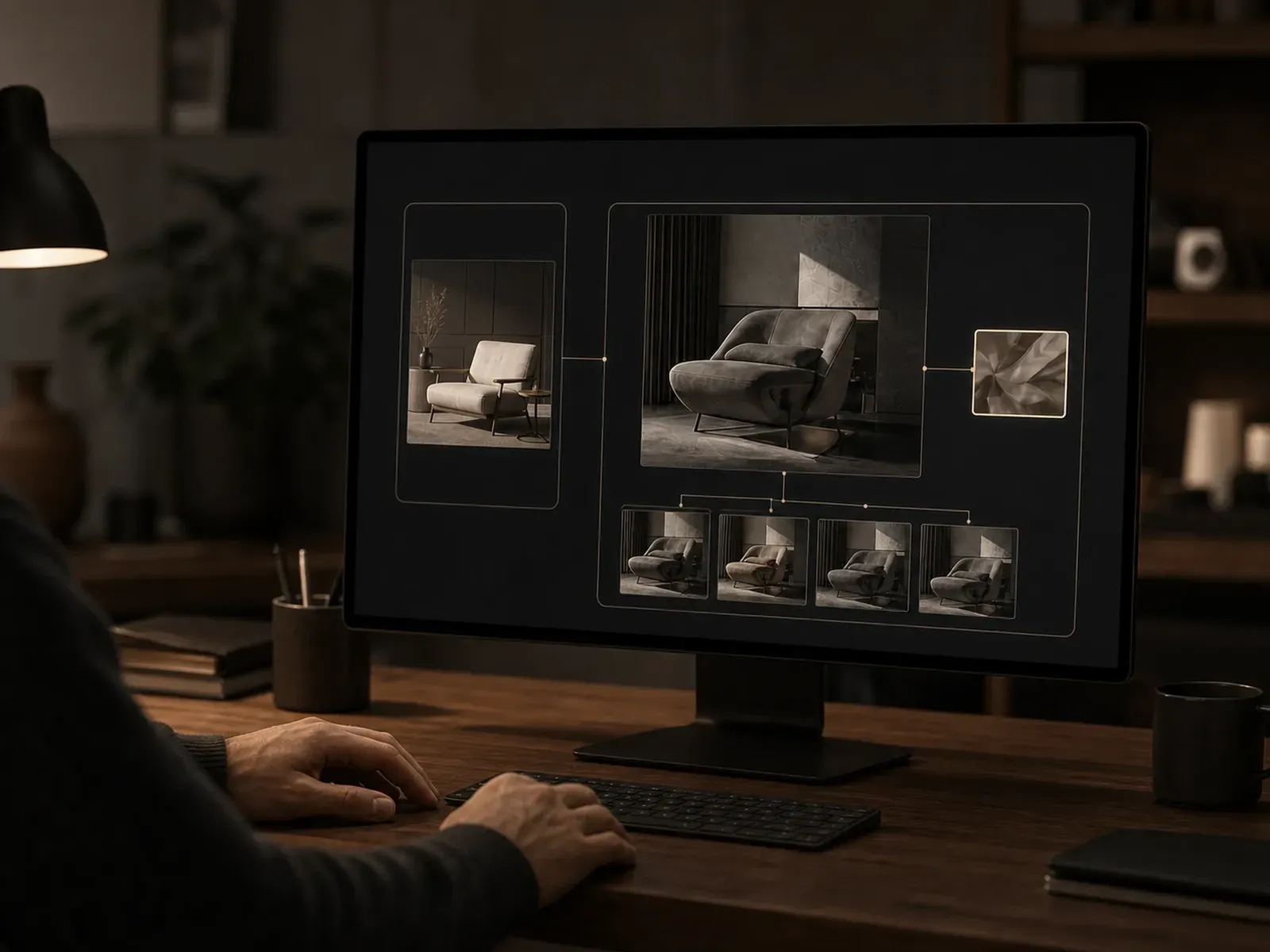
De la bibliothèque de ressources à la mémoire créative
Virse est conçu pour aider les équipes à préserver plus que des fichiers. Il conserve les références, les productions et le contexte créatif qui sous-tendent le travail, afin qu’ils restent disponibles à mesure que les projets évoluent.
Ce que votre équipe crée aujourd’hui peut nourrir ce qu’elle créera demain.
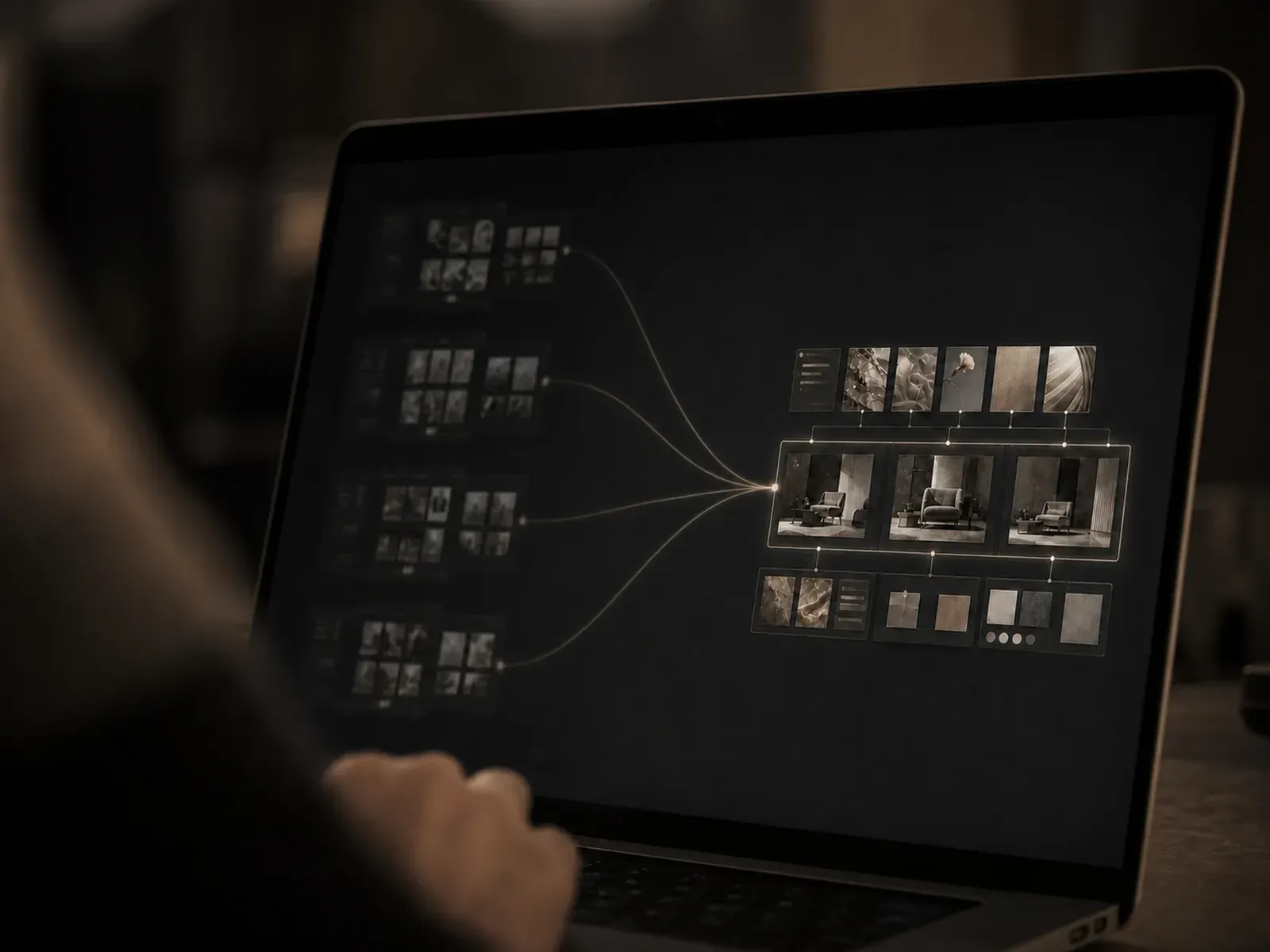
Conçu pour des travaux créatifs en pleine croissance
Ressources de marque
Gardez les orientations visuelles et les éléments créatifs approuvés connectés.
Visuels produit
Gérez les références, les visuels générés et les variations dans les flux de travail produit.
Production de campagnes
Réutilisez les concepts sélectionnés à mesure que la production s’étend à davantage de ressources.
Exploration créative
Gardez les expérimentations et les orientations prometteuses disponibles pour de futurs travaux.
Questions fréquentes
Qu’est-ce que la gestion des ressources IA pour les flux de travail créatifs ?
Comment Virse aide-t-il les équipes créatives à réutiliser les ressources existantes ?
Comment la gestion des ressources aide-t-elle à maintenir la cohérence visuelle ?
Les Agents Virse peuvent-ils utiliser les ressources stockées dans l’espace de travail ?
Vos ressources créatives. Un espace de travail connecté.
Regroupez références, livrables et contexte créatif afin que votre équipe trouve ce qui compte, réutilise ce qui fonctionne et continue à créer sans perdre le fil.